



الصفحة 4
الصفحة 4

Molecular Mechanism of Congenital Heart Disease and Pulmonary Hypertension
This book focuses on the molecular mechanism of congenital heart disease and pulmonary hypertension, offering new insights into the development of pulmonary circulation and the ductus arteriosus. It describes in detail the molecular mechanisms involved in the development and morphogenesis of the heart, lungs and ductus arteriosus, covering a range of topics such as gene functions, growth factors, transcription factors and cellular interactions, as well as stem cell engineering technologies
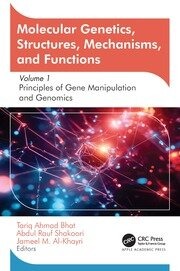
Molecular genetics, structures, mechanisms, and functions : Principles of gene manipulation and genomics ; Vol.1
Provides an overview of the future of genetic engineering and delves into the role of biotechnology and its applications in genetic engineering. It discusses the tools of recombinant technology, which have brought about revolution in our understanding of various complex biological phenomena. Chapters cover mutagenesis, construction, and sequencing of DNA libraries along with applications of genetic engineering for improving health, preventing genetic diseases, enhancing food resources, managing environmental bioremediation, and more. Topics include genetic engineering tools for restriction enzymes and vectors, gene and cell division, mutation detection and screening in plants, population genetics, sexuality in bacteria, and more. Several chapters focus on the tools of recombinant technology, such as restriction enzymes, vectors, etc., that have paved the way for creating organisms of choice and opened new horizons in the field of medicine, agriculture, and industry for human welfare.

Molecular genetics, structures, mechanisms, and functions : Applications and exploring the nucleus ; Vol.2
Continues the coverage of generic engineering, dealing with the concept of genes, their relationship with chromosomes, and their functional manifestation to the benefit of organisms at large and for human in particular. Topics include Mendel’s Laws of Inheritance, which explains the inheritance of traits visible through generations; , genome diversity and evolution genetic protein synthesis, recombination and evolution of DNA, transposable elements in genetics, chromosomal aberrations, and more. The volume also addresses genetic engineering in agricultural science for increased crop yields, to reduce costs for food or drug production, to reduce the need for pesticides, to enhance crop quality, etc.

Molecular Biology of the Parathyroid
Caintaining extracellular calcium concentrations within a narrow range is critical for the survival of most vertebrates. PTH, together with vitamin D, responds to hypocalcemia to increase extracellu M lar calcium levels, by acting on bone, kidney and intestine. The recent intro duction of PTH as a major therapeutic agent in osteoporosis has directed renewed interest in this important hormone and in the physiology of the parathyroid gland. The parathyroid is unique in that low serum calcium stimulates PTH secretion. As hypocalcemia persists, there is also an increase in PTH synthesis. Chronic hypocalcemia leads to hypertrophy and hyper plasia of the parathyroid gland together with increased production of the hormone. Phosphate is also a key modulator of PTH secretion, gene expres sion and parathyroid cell proliferation. Understanding the biology of the parathyroid as well as the mecha nisms of associated diseases has taken great strides in recent years. This book summarizes the molecular mechanisms involved in the function of the para thyroid gland. The first chapter reviews the development of the parathyroid gland and the genes involved in this process as identified using genetically manipulated mice. Then the biosynthetic pathway of PTH from gene ex pression to its intracellular processing and the sequences in the gene control ling its transcription as well as those regulating mRNA processing, stability and translation are described.

Molecular Biology of Metal Homeostasis and Detoxification : From Microbes to Man
One of the challenges faced by every cell as well as by whole organisms is to maintain appropriate concentrations of essential nutrient metals while excluding nonessential toxic metals. Toward that end, all organisms have developed mechanisms for metal homeostasis and detoxification to maintain metal levels within physiological limits. This book brings together current knowledge of the molecular basis of metal homeostasis and detoxification in various eukaryotic model systems, including yeasts, plants, and mammals. It focuses on the cellular systems controlling metal transport, intracellular distribution, and immobilization as well as on systems regulating metal-dependent transcription. In addition to environmental aspects (including phytoremediation), the book treats the pathophysiology of metal deficiency and overload in relation to disease.

Molecular Biology of Human Cancers: An Advanced Student's Textbook
Presents many of the molecules and mechanisms generally important in human cancers. Following an overview on the cancer problem, individual chapters deal with cancer genetics and epigenetics, DNA damage and repair, oncogenes, tumor suppressors, regulatory pathways in cancer, apoptosis, cellular senescence, tumor invasion, and metastasis. A consensus is emerging that while these common mechanisms and molecules are all relevant to human cancers, in each cancer type (or even subtype) a selection of them are extremely important. For selected cancers, the route from genetic and epigenetic changes to their biological and clinical behavior can already be traced. Part II of the book presents a broad, but exemplary selection of cancers that serve as paradigms to illustrate this point. In fact, cancer research has now reached a critical stage, in which the accumulated knowledge on molecular mechanisms is gradually translated into improved prevention, diagnosis, and treatment. The state, pitfalls, and potential of these efforts are summarized in Part III. More than ever, cancer research is now an interdisciplinary effort which requires a basic knowledge of commonly used terms, facts, issues, and concepts. The aim of this book is to provide advanced students and practitioners of different disciplines with this basis, bridging the gap between standard textbooks of molecular biology, pathology, and oncology on the one hand and the specialized cancer literature on the other.
Molecular Biology in Plant Pathogenesis and Disease Management : Microbial Plant Pathogens ; Vol.1
Studies on molecular biology of pathogens, infection process and disease resistance, have provided information essentially required to understand the vulnerable stages at which the pathogens can be tackled effectively and to adopt novel strategies to incorporate disease resistance genes from diverse sources and /or to induce resistance of cultivars with desirable agronomic attributes using biotic or abiotic agents. The nature of interaction between the gene products of the pathogen and plant appears to determine the outcome of the interaction resulting in either disease progression or suppression. Transgenic plants with engineered genes show promise for effective exploitation of this approach for practical application. Research efforts during the recent years to sequence the whole genomes of the pathogens and plants may lead to development of better ways of manipulating disease resistance mechanisms enabling the grower to achieve higher production levels and the consumer to enjoy safer food and agricultural products. Experimental protocols included in appropriate chapters will be useful for researchers and graduate students.

Molecular biology : Structure and dynamics of genomes and proteomes
Illustrates the essential principles behind the transmission and expression of genetic information at the level of DNA, RNA, and proteins. Emphasis is on the experimental basis of discovery and the most recent advances in the field while presenting a rigorous, yet still concise, summary of the structural mechanisms of molecular biology. Topics new to this edition include the CRISPR-Cas gene editing system, Coronaviruses – structure, genome, vaccine and drug development, and newly recognized mechanisms for transcription termination.

Molecular Basis of Symbiosis
Symbiotic associations involving prokaryotes occur ubiquitously and are ecologically highly significant. In symbiotic associations, co-evolution of the partner organisms has led to specific mechanisms of signal exchange and reciprocal regulation, and resulted in novel physiological capabilities of the association as compared to those of the individual partners. Symbiosis research has recently entered an exciting era because molecular biology techniques are available for studying partner organisms in association and in a culture-independent manner. It is the goal of this book to contribute towards a broader perspective and an understanding of the function of symbiotic systems. 14 different model systems have been chosen, comprising well known symbioses as well as novel experimental systems which have only recently become amenable to experimental manipulation.

Molecular autoimmunity
The autoimmune disease paroxysmal cold hemoglobinuria, a rare hemolytic disorder. After a century of research, the list of autoimmune diseases has become impressive. With a prevalence of approximately 5% of the world-wide population, these chronic, debilitating conditions affect almost every major organ of the body and, for reasons that remain unclear, are much more prevalent in woman than in men. Despite our rapidly expanding knowledge of the cellular and molecular pathways that govern a normal immune response, deciphering the precise etiology of autoimmune diseases remains an important challenge. Over the last few years, our understanding of the pathogenesis of autoimmune diseases has improved rapidly, leading to the emergence of elegant immunointervention strategies. Molecular Autoimmunity illustrates how cutting-edge research is continuing to advance our understanding of autoimmune disease mechanisms and identifies novel therapeutic targets that provide a hope for effective future treatments. This volume contains a selected number of exciting advances in unraveling autoimmune reactions, and the resulting new armory of experimental immunotherapies that may lead to new ways of controlling autoimmune reactions.

Molecular analysis of B lymphocyte development and activation
The B lymphocyte lineage represents an important paradigm for exploring the molecular mechanisms underlying cell fate specification, differentiation and cellular activation. In the past five years, major advances have been achieved in our understanding of the transcriptional control of early B cell development and terminal plasma cell differentiation. In addition new insights became available for the processes of B cell activation, class switch recombination and somatic hypermutation. Many of the new findings and their implications for a molecular understanding of B cell biology in particular and cell differentiation in general are covered in this volume.

Modulation of host gene expression and innate immunity by viruses
This book is reference on a relatively young area of research in which virology, cellular biology and molecular pathogenesis govern the principles of coinvestigation. Infection of a naïve (non-immune) host with a virus elicits an immediate response which results in a cascade of changes in the host, including an interferon response (innate immunity). The outcome of this interaction is influenced by the genes of the virus as well as the genes of the host. Interestingly, different viruses do it in different ways. Not only is there a plethora of mechanisms used by the invading organisms, but the host has also evolved a great variety of redundant and robust countermeasures. This interplay of host and virus represents one of the most significant frontiers in biology today. A clearer understanding of the mechanisms involved will arm us with better strategies to deal with viruses, including emerging pathogens and potential bioterrorism agents. This book is sure to benefit students, scientists, and physicians working in the areas of virology, immunology, microbiology, and infectious diseases.

Modern Biogeochemistry : Environmental Risk Assessment
At present, quantitative ecological risk assessment is widely used in different contexts, however very often without an understanding of the natural mechanisms that drive the processes of environmental and human risk. Its application is often accompanied by high uncertainty about risk values. On the other hand, the sustainability of modern technoecosystems is known because of their natural biogeochemical cycling that has been transformed to various extents by anthropogenic studies. Accordingly our understanding of the principal mechanisms that drive the biogeochemical food webs allows us to present a quantitative ecological risk assessment and to propose technological solutions for management of various ERA enterprises. It also enables us to devise a powerful mechanism for ecological insurance, to assign responsibilities and protect rights while managing the control of damage from natural and anthropogenic accidents and catastrophes.

Modeling of Soft Matter
Soft matter plays a role in a wide variety of important processes and application. For example, gel swelling and dynamics are an essential part of many biological and individual processes, such as motility mechanisms in bacteria and the transport and absorption of drugs. Ferroelectrics, liquid crystals, and elastomers are being used to design ever faster switching devices. Experimental studies, such as scattering, optical and electron microscopy, have provided a great deal of detailed information on structures. But the integration of mathematical modeling and analysis with experimental approaches promises to greatly increase our understanding of structure-property relationships and constitutive equations. The workshop on Modeling of Soft Matter has taken such an integrated approach.

Model Based Learning and Instruction in Science
This book describes new, model based teaching methods for science instruction. It presents research that describes these new methods in a very diverse group of settings: middle school biology, high school physics, and college chemistry classrooms. Mental models in these areas such as understanding the structure of the lungs or cells, molecular structures and reaction mechanisms in chemistry, or causes of current flow in electricity are notoriously difficult for many students to learn. Yet these lie at the core of conceptual understanding in these areas. The studies focus on a variety of teaching strategies such as discrepant questioning, analogies, animations, model competition, and hands on activities.

Mobile and Wireless Communications Networks ; IFIP TC6 / WG6.8 Conference on Mobile and Wireless Communication Networks (MWCN 2004) October 25-27, 2004 Paris, France
Mobile Ad hoc NETworks (MANETs) has attracted great research interest in recent years. A Mobile Ad Hoc Network is a self-organizing multi-hop wireless network where all hosts (often called nodes) participate in the routing and data forwarding process. The dependence on nodes to relay data packets for others makes mobile ad hoc networks extremely susceptible to various malicious and selfish behaviors. This point is largely overlooked during the early stage of MANET research. Many works simply assume nodes are inherently cooperative and benign. However, experiences from the wired world manifest that the reverse is usually true; and many works [3] [10] [9] [8] [12] [19] have pointed out that the impact of malicious and selfish users must be carefully investigated. The goal of this research is to address the cooperation problem and related security issues in wireless ad hoc networks. As a rule of thumb, it is more desirable to include security mechanisms in the design phase rather than continually patching the system for security breaches. As pointed out in [2] [1], there can be both selfish and malicious nodes in a mobile ad hoc network. Selfish nodes are most concerned about their energy consumption and intentionally drop packets to save power. The purpose of malicious nodes, on the other hand, is to attack the network using various intrusive techniques. In general, nodes in an ad hoc network can exhibit Byzantine behaviors.

Mild Stress and Healthy Aging : Applying hormesis in aging research and interventions
Stress is a double edged sword. Whereas chronic stress has well known harmful effects, recent research shows that intermittent exposure of cells and organisms to mild stress can improve various biological parameters, including severe stress tolerance, health span and longevity. Mild stress-induced hormesis is potentially a powerful tool in gerontological research and interventions. This book brings together some of the world leaders in this area of research who present a critical analysis of the ongoing research with respect to the effects and mechanisms of action of various types of mild stress, such as irradiation, heat, physical exercise, hypergravity, pro-oxidants and nutritional components, on a variety of biological systems ranging from fruitflies to human cells and bodies. Their separate chapters and a final collective chapter open up a whole new world of possibilities for future research in aging, successful aging, and health span extension.

Migraine
Migraine is one of the most common diseases of the present era, it ranked sixth in the world for neurological diseases, it’s severity varies from person to person and may interfere with daily activities in our article ,we will discuss the mechanisms of migraine occurrence, it’s traditional treatments and the modern treatment used internationally it is also possible that the migraine is a symptom or a predictor of serious diseases which we will learn about in this research.

Microprocessor 4 : Core concepts - software aspects
Addresses the software aspects of this component. Coding of an instruction, addressing modes and the main features of the Instruction Set Architecture (ISA) of a generic component are presented. Futhermore, two approaches are discussed for altering the flow of execution using mechanisms of subprogram and interrupt. A comprehensive approach is used, with examples drawn from current and past technologies that illustrate theoretical concepts, making them accessible.
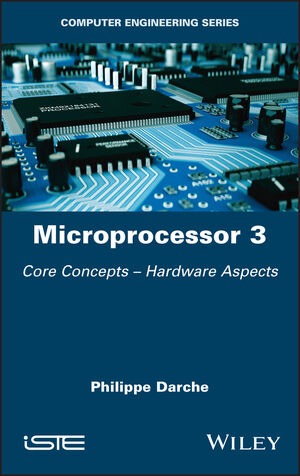
Microprocessor 3 : Core concepts - hardware aspects
Calculation is the main function of a computer. The central unit is responsible for executing the programs. The microprocessor is its integrated form. This component, since the announcement of its marketing in 1971, has not stopped breaking records in terms of computing power, price reduction and integration of functions (calculation of basic functions, storage with integrated controllers). It is present today in most electronic devices. Knowing its internal mechanisms and programming is essential for the electronics engineer and computer scientist to understand and master the operation of a computer and advanced concepts of programming.
