



الصفحة 4
الصفحة 4
Biomineralization I : Crystallization and Self-Organization Process
The five chapters of Biomineralization, volume 1, provide a bridge between the mineralogy and the organic substrates that enable the mineral formation by organisms in nature and under laboratory conditions. The book is a most useful reference for all concerned with biomineralization and biogenic minerals.In nature, biological organisms produce mineralized tissues such as bone, teeth, diatoms, and shells. Biomineralization is the sophisticated process of production of these inorganic minerals by living organisms. Construction of organic–inorganic hybrid materials with controlled mineralization analogous to those produced by nature has recently received much attention because it can aid in understanding the mechanisms of the biomineralization process and development of biomimetic materials processing.
BioMEMS and biomedical nanotechnology ; Vol. III : Therapeutic Micro/Nanotechnology
The human body is composed of structures organized in a hierarchical fashion: from biomolecules assembled into polymers, to multimeric assemblies such as cellular or-ganelles, to individual cells, to tissues, to organ systems working together in health and disease- each dominated by a characteristic length scale. Decades of science and engineer-ing are now converging to provide tools that enable the orderly manipulation of biological systems at previously inaccessible, though critically important, length scales (<100 mi-crons). Thus, the approaches described in this volume provide a snapshot of how micro-and nanotechnologies can enable the investigation, prevention, and treatment of human disease.The volume is divided into three parts. The first part, Cell-based therapeutics; cov- ers the merger of cells with micro- and anosystems for applications in regenerative medicine spanning the development of novel nanobiomaterials.
Biomedical applications and toxicity of nanomaterials
Covers the recent trends on the biological applications of nanomaterials, methods for their preparation, and techniques for their characterization. Further, the book examines the fundamentals of nanotoxicity, methods to assess the toxicity of engineered nanomaterials, approaches to reduce toxicity during synthesis. It also provides an overview of the state of the art in the application of Artificial intelligence-based methodologies for evaluation of toxicity of drugs and nanoparticles. The book further discusses nanocarrier design, routes of various nanoparticle administration, nano based drug delivery systems, and the toxicity challenges associated with each drug delivery method. It presents the latest advances in the interaction of nanoparticles with the cellular environment and assess nanotoxicity of these engineered nanoparticles. The book also explores the comparative and mechanistic genotoxicity assessment of the nanomaterials. This book is useful source of information for industrial practitioners, policy makers, and other professionals in the fields of toxicology, medicine, pharmacology, food, and drugs.
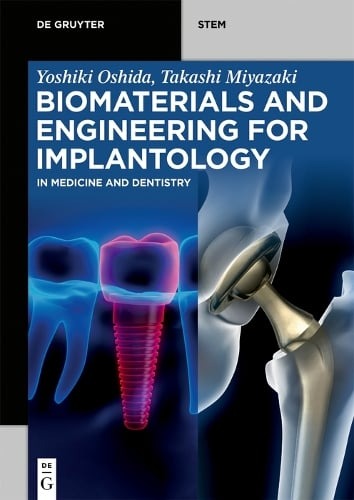
Biomaterials and engineering for implantology: in medicine and dentistry
Biomaterials are composed of metallic materials, ceramics, polymers, composites and hybrid materials. Biomaterials used in human beings require safety regulations, toxicity, allergic reaction, etc. When used as implantable materials their biological compatibility, biomechanical compatibility, and morphological compatibility must be acessed. This book explores the design and requirements of biomaterials for the use in implantology.
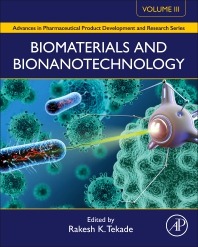
Biomaterials and bionanotechnology ; 1st ed.
Examines the current state of the field within pharmaceutical sciences and concisely explains the history of biomaterials including key developments. Written by experts in the field, this volume within the Advances in Pharmaceutical Product Development and Research series deepens understanding of biomaterials and bionanotechnology within drug discovery and drug development. Each chapter delves into a particular aspect of this fast-moving field to cover the fundamental principles, advanced methodologies and technologies employed by pharmaceutical scientists, researchers and pharmaceutical industries to transform a drug candidate or new chemical entity into a final administrable dosage form, with particular focus on biomaterials and bionanomaterials. This book provides a comprehensive examination suitable for researchers working in the pharmaceutical, cosmetics, biotechnology, food and related industries as well as advanced students in these fields.

Biomaterials : An Introduction
Biomaterials, an Introduction is intended as a general introduction to the uses of artificial materials in the human body for the purposes of aiding healing, correcting deformities, and restoring lost function. Enhancing on the field developments since the successful last edition, Biomaterials, an Introduction continues in its tradition as an outgrowth of an undergraduate course for senior students in biomedical engineering developed by the authors With 60 years of combined experience, the authors have emphasized the fundamental materials science, structure-property relationships and biological responses as a foundation for a wide array of biomaterials applications.
Bio-Materials & Prototyping Applications in Medicine
Bio-Materials and Prototyping Applications in Medicine focuses on bio-materials and prototyping applications in medical environments. The applications that ardiscussed integrate bio-materials, CAD, and physical prototyping techniques.
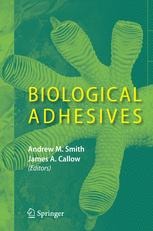
Biological adhesives
Many plants, animals, and microbes use adhesive polymers and structures to attach to inert substrates, to each other, or to other organisms. This is the first major review that brings together research on many of the well-known biological adhesives. Emphasizing the diversity of biological adhesives and associated adhesion processes, it deals with bacteria, fungi, algae, and marine and terrestrial animals. It bridges a variety of disciplines including biochemistry, molecular biology, biomechanics, bioengineering, microbiology, organism structure and function, and ultrastructure. As we learn more about the molecular and mechanical properties of these adhesives, we begin to understand why they adhere so well and how they develop cohesive strength. With this understanding comes the prospect of developing synthetic or semi-synthetic adhesives with broad applications in areas such as medicine, dentistry, and biotechnology. The book is suitable for both industrial and academic researchers.
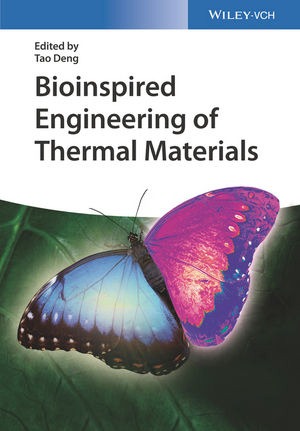
Bioinspired engineering of thermal materials
A comprehensive overview and summary of recent achievements and the latest trends in bioinspired thermal materials. Following an introduction to different thermal materials and their effective heat transfer to other materials, the text discusses heat detection materials that are inspired by biological systems, such as fire beetles and butterflies. There then follow descriptions of materials with thermal management functionality, including those for evaporation and condensation, heat transfer and thermal insulation materials, as modeled on snake skins, polar bears and fire-resistant trees.
Bioethics in a Small World
Bioethics has addressed many of the issues that arise in the context of globalisation. This book presents the results of a conference the Europaische Akademie held in 2003 which developed its thesis in open discussions of foundational and applied problems of bioethics from an interdisciplinary and international perspective.
Bioengineering in cell and tissue research
This book reviews the latest technological developments of bioengineering approaches in cell and tissue research. It is meant to have life and spirit, and to become a pioneer in technology and sciences, especially the life science. The chapters are written by excellent scientists on advanced, frontier technology and address scientific questions that need considerable thinking in terms of engineering.

Biodentine : Properties and clinical applications
A comprehensive guide to BiodentineTM, an innovative biocompatible and bioactive material based on pure tricalcium silicate that can permanently replace dentin and can also serve as a temporary enamel substitute. Although BiodentineTM has been widely used across the world for the past decade, this is the first book to be devoted to its properties, interactions with the soft and hard tissues, and its multiple clinical applications. The coverage encompasses applications in primary and permanent teeth, in specialties as diverse as restorative dentistry, endodontics, paediatric dentistry, dental traumatology, and prosthetic dentistry. BiodentineTM application both in vital pulp therapy and endodontic procedures is illustrated and clinical step by step protocols are provided. The book provides a detailed update on BiodentineTM use to preserve the pulp vitality in direct/indirect pulp capping, pulpotomy and irreversible pulpitis treatment. It also details BiodentineTM use for non-vital teeth treatment in indications such as root/furcation perforation repair, apexification as well as in regenerative endodontic procedures.
Biocompatible nanocomposites : From synthesis to applications
Presents a focused overview of biocompatible nanocomposites, emphasizing recent advancements in material design, synthesis techniques, and their expanding applications in biomedicine. It spans key areas such as regenerative medicine, drug delivery, cancer therapy, biosensing, diagnostic imaging, and vaccine delivery —illustrating how these materials are transforming modern healthcare. The book reviews widely used biomaterials including polycaprolactone, bioactive ceramics, and polymer-based hybrids, discussing their roles in cardiovascular, orthopedic, dental, maxillofacial, and ophthalmic applications.
Bio-based Building Skin
This book provides a compendium of material properties, demonstrates several successful examples of bio-based materials’ application in building facades, and offers ideas for new designs and novel solutions. It features a state-of-the-art review, addresses the latest trends in material selection, assembling systems, and innovative functions of facades in detail. Selected case studies on buildings from diverse locations are subsequently presented to demonstrate the successful implementation of various biomaterial solutions, which defines unique architectural styles and building functions. The structures, morphologies and aesthetic impressions related to bio-based building facades are discussed from the perspective of art and innovation; essential factors influencing the performance of materials with respect to functionality and safety are also presented. Special emphasis is placed on assessing the performance of a given facade throughout the service life of a building, and after its end.
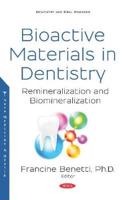
Bioactive Materials in Dentistry : Remineralization and Biomineralization
Addresses the use of different bioactive materials in dentistry, considering the performance of these biomaterials in the hard tissues of the tooth, and the response of the dental pulp, as well as the influence of the composition of these materials and of the individual’s systemic alterations in bioactivity and in antimicrobial activity. The several in vivo and in vitro tests to evaluate the bioactivity of a biomaterial will also be addressed.
Applications of biomedical engineering in dentistry
Applications of Biomedical Engineering in Dentistry offers readers a valuable overview of recent advances in biomedical engineering, as applied to the modern dentistry.

Application of microbes in environmental and microbial biotechnology
Discusses the innovative approaches and investigation strategies, as well as provides a broad spectrum of the cutting-edge research on the processing, properties and technological developments of microbial products and their applications. Microbes finds very important applications in our lives including industries and food processing. They are widely used in the fermentation of beverages, processing of dairy products, production of pharmaceuticals, chemicals, enzymes, proteins and biomaterials / conversion of biomass into fuel, fuel cell technology, health and environmental sectors. Some of these products are produced commercially, while others are potentially valuable in biotechnology. Microorganisms are considered invaluable in research as model organisms. This is a useful compilation for students and researchers in microbiology, biotechnology and chemical industries.

Antisense RNA Design, Delivery, and Analysis
This volume gathers a variety of models, delivery systems, and approaches that can be used to assess RNA technology for exploiting antisense as a therapeutic intervention. Beginning with a section on the design of antisense technology and their delivery, the book continues by covering model systems developed to evaluate efficacy, both in vivo and in vitro, as well as methods to evaluate preclinically the toxicity associated with these new potential drugs, and intellectual property considerations. Written for the highly successful Methods in Molecular Biology series, chapters include introductions to their respective topics, lists of the necessary materials and reagents, step-by-step, readily reproducible laboratory protocols, and tips on troubleshooting and avoiding known pitfalls.
Advances in dental implantology using nanomaterials and allied technology applications
Discusses how nanotechnology has influenced the provision of implant treatment from surgery to prosthetic reconstruction and post treatment biological complications. It aims to present both the nanotechnology and allied research along with the clinical concepts of almost every different aspect of implantology in one volume.
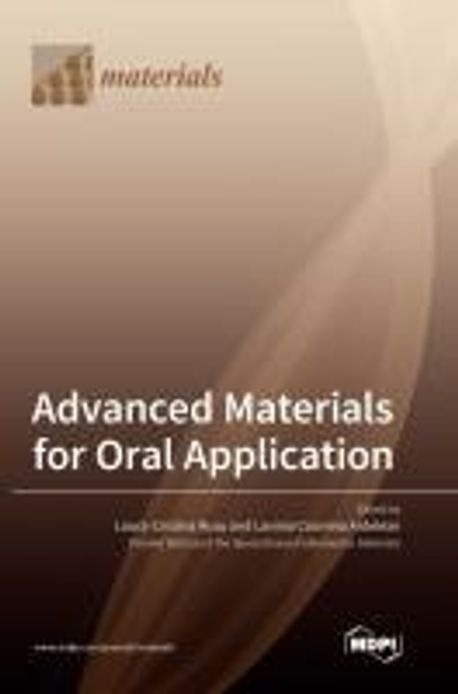
Advanced materials for oral application
Consists of one editorial, 12 original research articles and two review papers from scientists across the world, with expertise in materials for dental application. The main subjects covered are: biomaterials and techniques for oral tissue engineering and regeneration; biomaterials for surgical reconstruction; CAD/CAM technologies and dedicated materials; novel restorative and endodontic materials and instruments.
