



الصفحة 37
الصفحة 37

Managing Your Headaches
Frequent headaches seriously affect the lives of millions of sufferers. The result can be lost productivity and income, restrict activity, lower self-esteem, and even social isolation. For many, it takes years to find the appropriate medication to manage your headaches effectively. In Managing Your Headaches, Mark and Leah Green and John Rothrock explain what information you should record for your physician, what a physician is looking for in a neurological examination, and what you should (and should not) do to reduce the frequency and severity of your headaches. They discuss the effects of stress, psychological factors, possible food triggers, and environmental risk factors. The authors explain the symptoms of migraine, cluster, and tension-type headaches as well as less common types. They address common concerns and misconceptions and explain current knowledge about headache causes in understandable terms. The newest, most effective medications and their possible side effects are evaluated. The authors also explain how to prevent rebound headaches from over-medications and how non-medical treatments can be of value. Managing Your Headaches will tell you what you need to know to better control your headaches. Armed with the information in this book, you can be aware of the latest treatment options and can have more productive, informed discussions with your physician.

Managing diabetic wounds : Strategies for effective treatment
Delves into diabetes itself, covering its definition, various types (Type 1, Type 2, and gestational diabetes), and diagnostic laboratory findings such as blood glucose levels and HbA1c. The concept of diabetic foot is thoroughly explored, including its definition, primary causes such as neuropathy, ischemia, and infection, and crucial aspects of prevention, caution, and risk factors like poor glycemic control and smoking.

Managing Critical Infrastructure Risks
At the beginning of each year, there is a deluge of top-10 lists on just about every subject you can imagine. A top-10 list of biggest news stories, best-selling books, most popular music and movies, richest companies, and best places to visit or live. It seems everyone has his or her own top-10 list, reflecting, perhaps, differences in regional, national, and cultural values. Companies and governments most often tend to focus their top-10 lists on economic priorities, or priorities related to national defense, security, public health, and new infrastructure. This year, 2007, was no exception. Yet, increasingly, we see governments, private organizations, and companies advocating a new type of prioritization. This framework needs to reach beyond the realms of economics, world trade, and corporate management to include the environment, stakeholders, public preferences, and social goals. Moreover, corporations and individuals are not only interested in generic 10-best lists; they want lists tailored to their values, goals, and current economic and social state. For example, the U. S.

Management of Transboundary Rivers and Lakes
As it circulates in the atmosphere, in the rivers, lakes, soil, rock, and in the oceans, it is the major conveyer of va- ous chemical substances and of energy, and it can also be called as the blood of the ecosystems of this planet. But at the same time water is interwoven in the va- ous functions of the nature and the human society in countless ways which makes water one of the most complicated challenges of the mankind today.Human beings are exploiting and enjoying, but at the same time polluting and deteriorating, the waters in various ways and water is equally important to the - man socio-economic system as it is to the nature. It may sound a bit anecdotal to say that water obeys no borders, but that is true; the hydrologic cycle with its r- ers, river basins, lakes, aquifers, rainfalls, oceans, etc., cross administrational b- ders without any passport control. River and lake basins are in most cases very different from the administrational borders that the human beings have set up.
Management of Heart Failure ; Vol.2 : Surgical
Management of Heart Failure has been conceived as a rapid but comprehensive review for practitioners of all persuasions involved in the management of patients with heart failure. Heart failure is a problem of epidemic proportions in all parts of the world. State of the art treatment may not be accessible to all, but simply creating an awareness of simple methods of diagnosis and treatment would assist in promoting a better global response to this epidemic. This practical volume, written by a panel of world-renown cardiology experts, focuses on the surgical management of heart failure. Surgery for heart failure is an evolving and new area in cardiac surgery with many exciting developments.

Management of free distal extension by partial prosthesis
The study highlights that removable partial dentures remain a fundamental treatment option for managing partial edentulism, especially when implants or fixed prostheses are not feasible. Successful outcomes depend on accurate diagnosis, thorough oral preparation, sound prosthesis design, continuous patient education, and regular follow-up.

Management of fractured endodontic instruments : a clinical guide
Provides detailed information on the causes of instrument failure during endodontic treatment, the factors influencing the management of such cases, and the diverse management options that may be employed to resolve the problem.

Management of Erectile Dysfunction in Clinical Practice
Management of Erectile Dysfunction in Clinical Practice is a concise and practical guide to erectile dysfunction (ED) and its management. The book covers normal function and dysfunction, assessment, treatment options and interventions. Since ED is a symptom, not a disease the underlying causes such as hypertension, coronary artery disease, diabetes, chronic renal impairment, chronic arthritis, chronic alcoholism, multiple sclerosis are looked at.

Management of Early Stage Breast Cancer : Basics and Controversies
Breast cancer, its causes, early detection and treatment have received considerable attention, since this widespread disease is one of the most important health concerns for women. This book provides a comprehensive overview of the diagnostic and therapeutic aspects of the management of early-stage breast cancer, including essential information on basic topics like pathology, and radiology, as well as the latest developments. Further, it discusses all aspects of surgical care, chemotherapy and radiation therapy, together with the controversies and current management guidelines.

Management of deep carious lesions
Describes the challenges that deep carious lesions pose for dental practitioners, including the risk of endodontic complications and the difficulty of restorative treatment, and identifies options for overcoming these challenges on the basis of the best available evidence. The opening chapter sets the scene by discussing pathophysiology, histopathology, clinical symptomatology, and treatment thresholds. The various treatment options are then systematically presented and reviewed, covering non-selective, stepwise, and selective carious tissue removal and restoration, sealing of lesions using resin sealants or crowns, and non-restorative management approaches. In each case the current evidence with respect to the treatment is carefully evaluated. Advantages and disadvantages are explained and recommendations made on when to use the treatment in question. Illustrative clinical cases and treatment pathways for clinicians are included. This book will be of value for all practitioners who treat dental caries and carious lesions, whether in the permanent or the primary dentition. It will also be of interest to under- and postgraduate students in cariology and restorative, operative, preventive, and pediatric dentistry.
Management of Complications in Refractive Surgery
This guide offers the reader practical pearls to the solution and prevention of the different complications of corneal and refractive surgery. All complications are described and lavishly illustrated from its pathogenesis to its treatment modalities.

Management of complications in oral and maxillofacial surgery
Presents clear and consistent guidance on all aspects of both common and less common, minor and major complications encountered in oral and maxillofacial surgery (OMS) practice. In-depth chapters provide thorough descriptions of each complication and recommend treatment strategies for associated complications of anesthesia, implant surgery, maxillofacial trauma, and more, using easy to read algorithms.

Management of atopic dermatitis : Methods and challenges
This new edition builds upon the foundational knowledge covered in the first edition, covering the epidemiology, pathogenesis, and clinical presentation of atopic dermatitis in both pediatric and adult patients. It provides an overview of the mechanism and presentation of atopic dermatitis and focuses on the management methods experienced dermatologists have used to successfully manage atopic dermatitis. The book includes new chapters describing the special considerations for atopic dermatitis in skin of color patients, dedicated chapters on topical and oral prescription management reflected the latest FDA-approved treatments, and also a chapter covering the updated guidelines from the American Academy of Dermatology. A final chapter includes updates on the future of atopic dermatitis treatment.
Management of Acute Pulmonary Embolism
Management of Acute Pulmonary Embolism highlights traditional, novel, and evolving aspects of the diagnosis and treatment of pulmonary embolism (PE). Emphasis is placed on specific issues related to PE, including pregnancy, cancer, thrombophilia, and air travel. The authors critically review and interpret available data, and provide clear recommendations for diagnosis and therapeutic concerns in clinical management of PE patients. Management of Acute Pulmonary Embolism is organized in three precise sections - diagnosis, treatment, and special topics. Each section is up-to-date and detailed, and provides clear recommendations for diagnostic and therapeutic approaches to patients with PE in clinical practice. This practical volume is an essential starting point for future study for both medical students and established investigators.
Malignant Mesothelioma : Pathogenesis, Diagnosis, and Translational Therapies
(Review from JAMA) Malignant mesothelioma is an uncommon neoplasm usually associated with exposure to asbestos. Because of its low incidence, thorough reviews of the topic are hard to find. Harvey Pass and colleagues have edited an up-to-date, comprehensive book that includes a wide range of information, from a historical perspective to descriptions of the latest treatment. The authors . . . have written chapters on the carcinogenesis, molecular genetics, and clinical aspects of mesothelioma. Malignant Mesothelioma is suitable for a broad audience. Laboratory researchers will use it as a resource for information about the pathogenesis, animal models, molecular genetics, and cell lines of mesothelioma. . . . Clinicians will benefit from this complete guide to the presentation, prognosis, imaging, and treatment of the disease. I highly recommend this book to all who are interested in mesothelioma.
Male Sexual Function : A Guide to Clinical Management
Male Sexual Function: A Guide to Clinical Management, Second Edition, completely updates and reviews newer developments, including linking erectile dysfunction (ED) with lower urinary tract systems, advances in erectile physiology, and the appreciation of ED as a form of endothelial dysfunction and a harbinger of other potentially lethal forms of vascular disease. Treatments of ED as well as the background, causes, associated conditions, and diagnostic tools are also provided. This new updated edition also presents the facts of sexual function and dysfunction so that the practitioner can properly treat basic problems with easily prescribed therapies. Also included is a new chapter on cardiovascular disease as well as chapters on pelvic surgeries, intracavernous injections with vasoactive agents, and vacuum erection devices.

Malaria disease and modern treatments
Some population groups are at considerably higher risk of contracting malaria and developing severe disease: infants, children under 5 years of age, pregnant women and patients with HIV/AIDS, as well as people with low immunity moving to areas with intense malaria transmission such as migrant workers, mobile populations and travellers. Malaria is an acute febrile illness caused by Plasmodium parasites, which are spread to people through the bites of infected female Anopheles mosquitoes. There are 5 parasite species that cause malaria in humans, and 2 of these species – P. falciparum and P. vivax – pose the greatest threat. P. falciparum is the deadliest malaria parasite and the most prevalent on the African continent. P. vivax is the dominant malaria parasite in most countries outside of sub-Saharan Africa.

Maintenance of brick and stone masonry structures
Deals with all the tasks related to brick and stone masonry structures, from the initial identification of defects and their diagnosis to their treatment and monitoring of its cost-effectiveness.
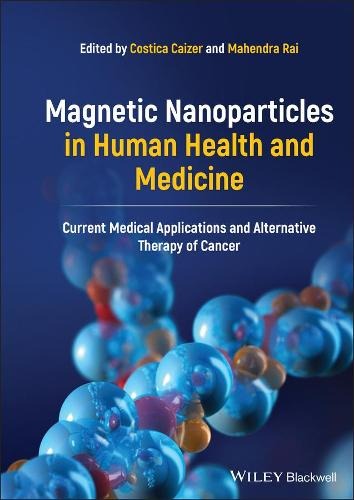
Magnetic nanoparticles in human health and medicine : Current medical applications and alternative therapy of cancer
Progress in improving diagnosis by magnetic resonance imaging (MRI) and using non-invasive and non-toxic magnetic nanoparticles for targeted drug delivery. Focusing on cancer diagnosis and therapy, the book covers both fundamental principles and advanced theoretical and experimental research on the magnetic properties, biocompatibilization, biofunctionalization, and application of magnetic nanoparticles in nanobiotechnology and nanomedicine.
Macular Degeneration
Macular Degeneration: Science and Medicine in Practice provides a unique overview of current thinking in the pathogenesis, incidence and treatment of AMD. It includes, for the first time, a synthesis of the views of the world's leading scientists and practitioners regarding retinal biology, basic mechanisms, clinical and pathogenetic processes, and rational approaches to intervention.
