



الصفحة 3
الصفحة 3

Diagnosing dental and orofacial Pain : A clinical manual
Offers valuable advice on ways to observe and communicate effectively with patients in pain, how to analyze a patients' pain descriptions, and how to provide a proper diagnosis of orofacial pain problems that can arise from a myriad of sources-anywhere from teeth, joint and muscle pain, and paranasal sinuses to cluster headaches, neuralgias, neuropathic pain and viral infections. Helps the student and practitioner understand the diagnostic process by addressing the exact questions that need to be asked and then analyzing verbal and non-verbal responses to theseEdited by experts with decades of clinical and teaching experience, and with contributions from international specialistsCompanion website provides additional learning materials including videos, case studies and further practical tips for examination and diagnosisIncludes numerous color photographs and illustrations throughout to enhance text clarityoffers valuable advice on ways to observe and communicate effectively with patients in pain, how to analyze a patients' pain descriptions, and how to provide a proper diagnosis of orofacial pain problems that can arise from a myriad of sources-anywhere from teeth, joint and muscle pain, and paranasal sinuses to cluster headaches, neuralgias, neuropathic pain and viral infections.

Current Perspectives in microRNAs (miRNA)
In this book, many new perspectives of the miRNA research are reviewed and discussed, including their roles in stem cell maintenance, embryonic development, tissue differentiation, adult physiology, disease pathology, cancer research, viral infection, genetic engineering in plants, and utility in cosmetic applications. These new findings may not only provide significant insight into the various mechanisms of miRNAs but also offer a great opportunity in developing new therapeutic interventions.

Curcumin : clinical uses, health effects and potential complications
Curcumin is a natural product with polyphenolic structure. It is used in therapeutic remedies alone or in combination with other natural substances. Many researchers are investigating it because of its biological activities such as: anti-inflammatory, anti-cancer, anti-protozoal, anti-viral, anti-bacterial and has been found to be effective for treatment of Alzheimer, depression, headaches, fibromyalgia, leprosy, fever, menstrual problems, water retention, worms and kidney problems etc. It is an active ingredient in dietary spice, turmeric. It has reactive functional groups: a diketone moiety and two phenolic groups. Despite its unique biological activities, it suffers from some shortcomings which include: gastrointestinal problems, poor bioavailability due to its poor absorption, short half-life, poor solubility in aqueous solutions, rapid systemic elimination and antithrombotic activity which can interfere with blood clotting. The first chapter of this book reviews the different delivery systems used for incorporation of curcumin and its derivatives, release kinetics and up to date in vivo results. Chapter two discusses curcumin nano and microencapsulation and its implications on clinical uses.

Crimean-Congo Hemorrhagic Fever : A Global Perspective
Crimean-Congo hemorrhagic fever (CCHF) is a tick-borne disease associated with severe hemorrhagic manifestations. CCHF has been referred to as the "Asian Ebola." However, in fact, the disease is one of the most widely distributed tick-borne diseases in the world, occurring in Africa, Asia, Europe, and the Middle East. This volume covers major aspects of this important disease and the virus which causes it. Chapters are written by leading experts in their fields and detail historical, public health, epidemiological, and clinical aspects of CCHF and the genetics and molecular biology of the virus. Additional chapters focus on disease control, tick vectors and infection among animals, both natural and experimental.

COVID-19: Diagnosis and Treatment
The global coronavirus disease 2019 (COVID- 19) has presented major challenges for clinical laboratories, from initial diagnosis to patient monitoring and treatment. Initial response to this pandemic involved the development, production, and distribution of diagnostic molecular assays at an unprecedented rate, leading to minimal validation requirements and concerns regarding their diagnostic accuracy in clinical settings. In addition to molecular testing, serological assays to detect antibodies against severe acute respiratory syndrome coronavirus 2 (SARS-CoV-2) are now becoming available from numerous diagnostic manufacturers. In both cases, the lack of peer-reviewed data and regulatory oversight, combined with general misconceptions regarding their appropriate use, have highlighted the importance of laboratory professionals in robustly validating and evaluating these assays for appropriate clinical use.

Coronaviruses with Special Emphasis on First Insights Concerning SARS
This book series focuses on relevant and trending topics in microbiology and infectious diseases with emphasis on emerging pathogens and related diseases.This interdisciplinary series presents latest advances and new approaches in molecular biology as well as insights into human and veterinary clinical medicine. Furthermore, matters in epidemiology, disease management, hygiene and prevention of infectious diseases are discussed. Emerging or novel pathogens are a grand challenge in medical science. Therefore, we focused the first volume of this series on the outbreak of SARS. The advent of SARS is a threat for people around the globe. Our modern technologies in communication and mobility have figuratively transformed the world into a village. This traffic, however, reprensents a new opportunity to spread diseases, particularly such of infectious nature from tiny villages throughout the entire world. In-depth knowledge of a novel pathogen's characteristics will help to manage or event prevent pandemias.

Coronaviruses : Methods and Protocols
Aims to describe a variety of techniques that reflects the wide range of research currently performed in the field of coronavirology, and begins with an overview of current understandings of coronavirus replication and pathogenesis to introduce specialists and non-specialists to the field. The rest of the book is divided into several sections of chapters beginning with those that describe identification, diagnosis, and study of the evolution of coronaviruses. The next few chapters discuss the preparation of cells and organ cultures useful in propagating coronaviruses and titration techniques, as well as techniques for analyzing virus functions that require purification of the viruses. The next chapters describe two commonly used reverse genetics techniques for coronaviruses, and techniques detailing identification of cellular receptors, binding profiles of viral attachment proteins, and virus-cell fusion. The final chapters cover a broad spectrum of techniques to identify virus-host protein-protein interactions, confirm the functional role of these proteins in virus replication, study host cell responses through genome-wide or pathway-specific approaches, and visualize virus replication complexes. Written in the highly successful Methods in Molecular Biology series format, the chapters include the kind of detailed description and implementation advice that is crucial for getting optimal results in the laboratory.

Coronavirus therapeutics ; Vol. II : Clinical management and public health
Provides the most comprehensive review on contemporary knowledge on the consequences during the outbreak of Coronavirus. This also describes the clinical features, diagnostic evaluation and management of Coronavirus patients. Using an integrative approach to the understanding of paradigm gap in host-pathogen interaction studies to the management of Coronavirus patients in the Intensive Care Unit to the current challenges for the effective management of Coronavirus pandemic risk factors including diabetes, hypertension, obesity and repercussion on the central and peripheral nervous system.

Coronavirus therapeutics ; Vol. I : Basic science and therapy development
Provides the most comprehensive review on contemporary knowledge on the origin and structural biology and molecular aspects of Coronaviruses. This also describes the etiology and pathogeny and therapeutic targets including vaccine drug candidates against Coronaviruses in the light of current scientific knowledge. Using an integrative approach to the understanding of Coronaviruses structure, function and immunobiology, the contributors provide a synopsis of novel mechanisms by which Coronaviruses can be treated.

Cornea and external eye disease
Essentials in Ophthalmology is a new review series covering all of ophthalmology categorized in eight subspecialties. It will be published quarterly, thus each subspecialty will be reviewed biannually.

Computational methods for rational drug design
Covers the tools and techniques of drug design with applications to the discovery of small molecule-based therapeutics, detailing methodologies and practical applications and addressing the challenges of techniques like AI/ML and drug design for unknown receptor structures. Divided into 23 chapters, the contributors address various cutting-edge areas of therapeutic importance such as neurodegenerative disorders, cancer, multi-drug resistant bacterial infections, inflammatory diseases, and viral infections.

Manual of Diagnostic Ultrasound in Infectious Tropical Diseases
This manual is intended to fill a gap in the range of books on ultrasound diagnosis, concentrating exclusively on the diagnosis of infectious and tropical diseases. The book starts with a short introduction to ultrasound diagnosis. The main part describes and discusses the organ-related changes that can be detected with ultrasound in infectious and inflammatory diseases. The infectious and parasitic diseases that can successfully be diagnosed with ultrasound are presented in more detail. The important potential of interventional ultrasound diagnosis and therapy in infectious diseases is described.
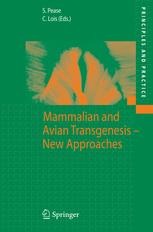
Mammalian and Avian Transgenesis : New Approaches
Mammalian and Avian Transgenesis presents a collection of novel methods for the production of a wide range of transgenic animals. The manual focuses largely on mice, but also contains protocols for successful transgenesis in rats, cows, pigs and birds. The manual provides detailed, step-by-step protocols covering all aspects of the production of transgenic animals, including the use of lentiviral vectors in gene transfer, intracytoplasmic sperm injection, nuclear transfer, large insert transgenesis, conditional gene expression systems, the use of reporter genes in transgenesis and transgenesis in large animals and birds. The text is supplemented by superb color photos. While the focus is on newly established techniques, the fundamental methods of transgenesis are also covered for those new to the field. Thus this manual is perfectly suited for those wishing to adopt new technologies in transgenesis.
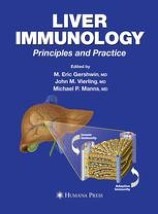
Liver Immunology : Principles and Practice
parasitic and viral infections of the liver, autoimmune liver disease, alcoholic and nonalcoholic fatty liver diseases, and transplantation in an easy-to-read and thorough format. Authors also address the key issues that have arisen in this field in recent years, including physiological roles of hepatocytes, sinusoidal lining cells, activated macrophages (Kupffer cells), cholangiocytes and stellate cells, and their modulation of T cells, natural killer (NK) cells and NKT cells.
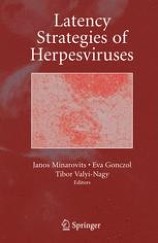
Latency Strategies of Herpesviruses
This is the first book dealing with the intricate epigenetic mechanisms (DNA methylation, histone modification, alteration of chromatin structure) that regulate latency-associated transcription. Special attention is given to immune evasion "tricks" blocking immune responses to herpesvirus infected cells and viral RNAs and proteins involved in malignant transformation.

Killer Cell Dynamics : Mathematical and Computational Approaches to Immunology
Reviews how mathematics can be used in combination with biological data in order to improve understanding of how the immune system works. This is illustrated largely in the context of viral infections. Mathematical models allow scientists to capture complex biological interactions in a clear mathematical language and to follow them to their precise logical conclusions. This can give rise to counter-intuitive insights which would not be attained by experiments alone, and can be used for the design of further experiments in order to address the mathematical results.
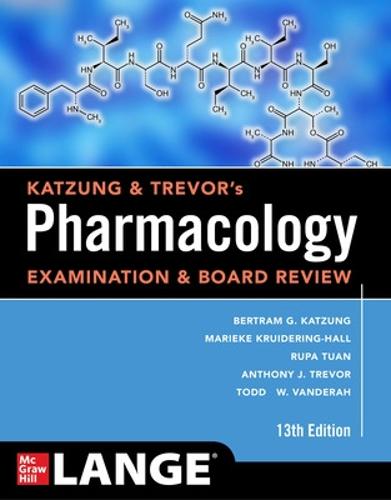
Katzung & Trevor's pharmacology : Examination & board review
Excellent Q & A and rationales for course exams and USMLE Step 1. With 1,000+ board-style questions/answers and fully up-to-date content, this is the most popular review in pharmacology. Organized to reflect the syllabi in pharmacology courses, Katzung & Trevor's Pharmacology Exam and Board Review covers all current drugs and retrovirals, immunologic agents, and chemotherapies. Each chapter begins with 20 pages of informative text, followed by questions and answers, and includes concise discussions of the concepts underlying basic principles or specific drug groups. Edited by the world leading figures in pharmacology and medicine, this high-yield text focuses on basic principles, autonomic drugs, cardiovascular-renal drugs, and drugs with actions on smooth muscle, central nervous system drugs, and drugs used to treat chemotherapeutic drugs, and toxicology.
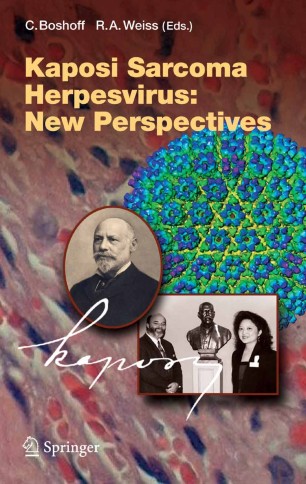
Kaposi Sarcoma Herpesvirus : New Perspectives
Since the identificationof two sequences fromKSHV,wehave learnedmuch about this pathogen as reflected in this book. As it turned out, KSHV itself encodes for a number of cytokines, and induces cellular cytokine secretion, contributing to tumour growth. Moreover, KSHV vFLIP targets the IKKNFκB axis to encourage the inflammatory microenvironment observed by Gallo and his colleagues. KSHV continues to elucidate both mechanisms of viral oncogenesis, and cellular and immune pathways involved in non-viral driven neoplasia.
Comparative Hepatitis
This volume reviews today’s knowledge about hepatitis with emphasis on comparative aspects between hepatitis in humans and animals, but also between different etiological agents. This particular viewpoint makes the book relevant for scientists from both human and veterinary medicine, gastroenterologists, pathologists, virologists and students of human and veterinary medicine.

Community-Acquired Pneumonia : The reality of Pneumonia and the most responsible Pathogens with Diagnosis, Treatment, and Prevention
This labor will discuss community acquired pneumonia as a disease associated with death and as a problem in order to solve it. As a disease I showed a definition of it, how it occurs, the sign and symptoms, risk factor, epidemiology, mortality, causes, and pneumonia in children. And as a problem I present how the world deals with this disease and suggest how we should deal with it in our country abilities, By mention satisfactory and studies associated with diagnosis, treatment, and prevention of CAP then discuss it all one by one in way that produce good quality according to our facilities.
