



الصفحة 3
الصفحة 3

Object-Oriented Technology. ECOOP 2007 Workshop Reader ; ECOOP 2007 Workshops, Berlin, Germany, July 30-31, 2007, Final Reports
Contains the reports from the workshopsheld at the 21st European Conference on Object-Oriented Programming - ECOOP 2007 - at Technische Universit] at Berlin. Nineteen workshops were heldin the courseofthis conference on July 30 and July 31, 2007, covering a large spectrum of hot research topics. As in previous editions of ECOOP, numerous scientists from academia and industry took the chance to present innovative and topical ideas in an environment ofering optimal conditions for exciting discussions and fruitful interactions. The Workshop Reader which contains the reports from the workshops has been a substantial part of the ECOOP conference for more than10 years

Object-Oriented Data Structures Using Java ; 4th ed.
an essential resource for students learning data structures using the Java programming language. It presents both the traditional and modern data structure topics with an emphasis on problem-solving and object-oriented software design. Beginning early and continuing throughout the text, it introduces and expands upon the use of many Java features such as classes, objects, generics, polymorphism, packages, interfaces, library classes, inheritance, exceptions, and threads.
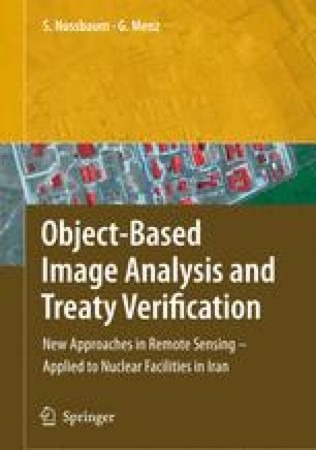
Object-Based Image Analysis and Treaty Verification : New Approaches in Remote Sensing – Applied to Nuclear Facilities in Iran
This book describes recent progress in object-based image interpretation, and also presents many new results in its application to verification of nuclear non-proliferation. A comprehensive workflow and newly developed algorithms for object-based high resolution image (pre-) processing, feature extraction, change detection, classification and interpretation are developed, applied and evaluated. The entire analysis chain is demonstrated with high resolution imagery acquired over Iranian nuclear facilities.
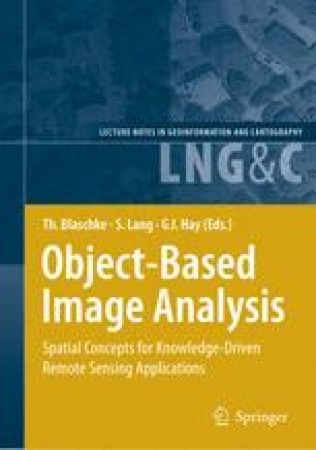
Object-Based Image Analysis : Spatial Concepts for Knowledge-Driven Remote Sensing Applications
This book discusses means, technologies and approaches related to the processing and analysis of multi-sensor, multi-resolution data with a focus on the generation, modelling and classification of objects. The applications also address the integration of Geographic Information and the concurrent developments of GIScience and vanquish limitations of pixelwise image processing by exploiting image information context-driven and "intelligently".

Obesity Management in Family Practice
With guidelines backed by the best scientific data, the book is about application, not just theory. The reader is given the commonsense tools that patients need in order to have ownership of their disease. Ultimately, patients are empowered to control their obesity, resulting in positive interaction between providers and patients.

Nutrition, chemistry, and health effects of sugar, salt, and milkfat
Covers sugar, salt and milk fat from a chemical perspective, and presents an overview of the role of these ingredients in our food, focusing on their flavors, satiety-inducing properties, nutritional impact, and health effects. The book begins with a chapter devoted to the chemical composition of these taste enhancers and satiety-inducing components, followed by a chapter that sheds light on the persuasive tactics employed by the food industry and their impact on consumer behavior, ultimately discussing the complex relationship between marketing strategies and public health. In Chapter 3, the author presents case studies and explores the nutritional requirements of these ingredients, while considering their physiological effects ad potential implications for human health. In Chapter 4, the author evaluates current consumption patterns and their implications, analyzing trends, policies, and opportunities to shape healthier dietary choices.

Nutrition of cancer patient
According to world statistics, nutrition is estimated to contribute to about one-third of preventable cancers, nearly the same amount as the contribution of smoking. It is defined as the processes by which living organisms' intake of food and drink is used by the body for fuel, growth, reproduction, and the overall maintenance of health. Thus, sufficient nutritional consumption is essential for well-being. Consequently, it is an important part of life, cancer treatment, recovery, and prevention; eating the necessary nutrients prior to, during, and after a cancer treatment would aid the patient in the recovery process. A healthy diet means a stable nourishment, and includes obtaining sufficient amounts of essential nutrients (vitamins, minerals, protein, carbohydrates, fat, and water) the body needs. Inadequate intake of essential vitamins and minerals might explain the epidemiological findings that people who eat only small amounts of fruits and vegetables have an increased risk of developing cancer.

Nutrition in Kidney Disease
The field of kidney disease has evolved over the years to encompass a broad and sophisticated knowledge base. There has been a proliferation of scientific information and technical advances in the field. In Nutrition in Kidney Disease, the authors provide a comprehensive perspective of the emerging science in nutrition in kidney disease. This important book is written by a collaborative group of distinguished dietitians and physicians in the specialized field of kidney disease and clinical nutrition, who have devoted their careers to the care of patients with kidney disease. At the end of key chapters, case studies assess knowledge of the subject within the context of didactic curriculums.

Nutrient Acquisition by Plants : An Ecological Perspective
Adaptation and evolution of terrestrial plants depend, to a large extent, on their ability to acquire nutrients. This is a modern and integrative treatment of the mechanisms controlling plant nutrient uptake and how plants respond to changes in the environment. The following key topics are covered: soil nutrient bioavailability; root responses to variations in nutrient supply; nitrogen fixation; regulation of nutrient uptake by internal plant demand; root characteristics; kinetics of nutrient uptake; root architecture; life span; mycorrhizae; responses to climate change. This integrated view helps us to understand the mechanisms that govern present-day plant communities and is indispensable in models designed to predict the response of plants to a changing climate.

Nutraceuticals in obesity management and control
Provides detailed information on nutraceuticals that can be helpful in the control and management of obesity. It clarifies key aspects of nutraceuticals that include sources, extraction, chemistry, mechanisms of action, pharmacology, bioavailability, safety, and various applications. Beginning with a concise overview of the prevalence of obesity, complications related to obesity, and current treatment regimens, the volume delves into the roles of functional foods and nutraceuticals for the management of body weight and for alleviating obesity comorbidities. It goes on to discuss the effect of some of the most commonly and frequently used naturally occurring nutraceutical substances, along with their mechanisms of action in controlling obesity. The volume looks at the role of nutraceutical fruits as well as the beneficial aspects of carotenoids in fruits and vegetables and explores antioxidant-rich nutraceuticals, the role of vitamins and supplements, the use of green tea, and the potential of pseudocereals and spices in the management of metabolic syndrome.

Nutraceuticals in cardiac health management
Cardiovascular diseases (CVDs) constitute the major cause of death worldwide, claiming nearly 18 million lives each year. Multiple foods and nutraceuticals have been proven to reduce the risk of cardiovascular disease. This new book offers an informative update on the most recent scientific evidence addressing the use of nutraceuticals in the prevention and management of heart disease. It summarizes the functional foods that are involved in preventing the risk of CVDs, the mechanisms of the bioactive components that lower the risk of chronic illnesses, as well as the dietary patterns that are involved in the prevention of CVDs. It also covers specific nutraceuticals, including probiotics, dietary fibers, garlic, green tea, vitamins, tomatoes and other lycopene-rich fruits and vegetables, dietary supplements, bee products, and more. In addition, it focuses on detailing the endothelial effects of marine- and plant-derived omega-3 fatty acids and marine-derived natural flavonoids in hypertension and CVDs.

Nutraceuticals and bone health
Here is an informative volume on the importance of nutraceuticals and herbal remedies for bone health. It explains the probable mechanisms of nutraceuticals for the prevention, treatment, and management of bone-related diseases as well as their curable effects on bone injuries. The volume covers the progression and development of bones, which is a multifaceted process that requires an endless and ample supply of nutrients, such as calcium, phosphorus, potassium, protein, vitamin D, magnesium, and fluoride. The book delves into the beneficial effects of nutraceuticals on overall bone health and for the treatment of bone disorders such as osteoporosis, bone fractures, scoliosis and related complications, rheumatoid arthritis, Paget’s disease, bursitis, gout, and carpal tunnel syndrome. It also addresses the use of nutraceuticals for inflammatory deformities and rickets.
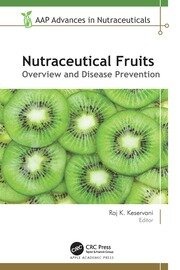
Nutraceutical fruits : Overview and disease prevention
While nutritional supplements have enormous advantages, food ingredients such as fruits and vegetables can play a significant preventative and therapeutic role in our daily lives. Fruits are found to have anti-inflammatory, antibacterial, antifungal, and chemopreventive properties that can boost health, as well as prevent diseases. This new book explores the use of fruits as nutraceuticals for alternative treatment, as well as for disease prevention. It looks at how nutraceutical fruits can be used to prevent and manage a range of diseases that include mental illness, cancer, respiratory and lung diseases, cardiovascular diseases, liver disease, inflammatory bowel diseases, sleep disorders, etc. The book also looks at the roles of nutraceutical fruits in the metabolic syndrome and provides information regarding the safety and toxicity of neutraceutical fruits.

Nursing Care of the Pediatric Neurosurgery Patient
Nursing Care of the Pediatric Neurosurgery Patient serves as a detailed reference for all nurses caring for children with neurosurgical problems. Staff nurses (and student nurses) working in clinics, PICU, pediatrics, operating rooms, post-anesthesia care units, emergency department and radiology will benefit from the information presented in this book. The explanations of pathophysiology, anatomy, radiodiagnostic testing and treatment options for each neurosurgical diagnosis will help them to understand the rationale behind the nursing care. Presenting symptoms and findings on neurological examination and history will enable nurses to identify normal signs. Each chapter includes information on patient and family education and will give helpful guidelines.

Numerical Techniques for Chemical and Biological Engineers Using MATLAB® : A Simple Bifurcation Approach
This book addresses the bifurcation characteristics of chemical and biological processes as the general case and treats systems with a unique steady state as special cases. It uses a system approach which is the most efficient for knowledge organization and transfer. The book develops mathematical models for many commercial processes utilizing the mass-, momentum-, and heat-balance equations coupled to the rates of the processes that take place within the boundaries of the system. The models are solved numerically through MATLAB codes with emphasis on the design and optimization of the chemical and biological industrial equipment and plants.
Numerical partial differential equations for environmental scientists and engineers : A first practical course
This book concerns the practical solution of Partial Differential Equations (PDEs). It reflects an interdisciplinary approach to problems occurring in natural environmental media: the hydrosphere, atmosphere, cryosphere, lithosphere, biosphere and ionosphere. It assumes the reader has gained some intuitive knowledge of PDE solution properties and now wants to solve some for real, in the context of practical problems arising in real situations. The practical aspect of this book is the infused focus on computation. It presents two major discretization methods - Finite Difference and Finite Element. The blend of theory, analysis, and implementation practicality supports solving and understanding complicated problems. It is divided into three parts. Part I is an overview of Finite Difference Methods. Part II focuses on Finite Element Methods, including an FEM tutorial. Part III deals with Inverse Methods, introducing formal approaches to practical problems which are ill-posed.

Numerical Optimization : Theoretical and Practical Aspects
This book starts with illustrations of the ubiquitous character of optimization, and describes numerical algorithms in a tutorial way. It covers fundamental algorithms as well as more specialized and advanced topics for unconstrained and constrained problems. Most of the algorithms are explained in a detailed manner, allowing straightforward implementation. Theoretical aspects of the approaches chosen are also addressed with care, often using minimal assumptions. It's contains computational exercises in the form of case studies which help understanding optimization methods beyond their theoretical, description, when coming to actual implementation. Besides, the nonsmooth optimization part has been substantially reorganized and expanded.

Numerical Optimization
Numerical Optimization presents a comprehensive and up-to-date description of the most effective methods in continuous optimization. It responds to the growing interest in optimization in engineering, science, and business by focusing on the methods that are best suited to practical problems.The book has been thoroughly updated throughout. There are new chapters on nonlinear interior methods and derivative-free methods for optimization, both of which are used widely in practice and the focus of much current research. Because of the emphasis on practical methods, as well as the extensive illustrations and exercises.

Numerical Methods Using Java : For Data Science, Analysis, and Engineering
Covers a wide range of topics, including chapters on linear algebra, root finding, curve fitting, differentiation and integration, solving differential equations, random numbers and simulation, a whole suite of unconstrained and constrained optimization algorithms, statistics, regression and time series analysis. The mathematical concepts behind the algorithms are clearly explained, with plenty of code examples and illustrations to help even beginners get started. You will: Program in Java using a high-performance numerical library / Learn the mathematics for a wide range of numerical computing algorithms / Convert ideas and equations into code / Put together algorithms/ and classes to build your own engineering solution / Build solvers for industrial optimization problems / Do data analysis using basic and advanced statistics
Numerical Methods for Laplace Transform Inversion
Operational methods have been used for over a century to solve many problems—for example, ordinary and partial differential equations. In many problems it is fairly easy to obtain the Laplace transform, but it can be very demanding to determine the inverse Laplace transform that is the solution of the given problem. Sometimes, after some difficult contour integration, we find that a series solution results, but even this may be quite difficult to evaluate in order to get an answer at a particular time value.
