



الصفحة 3
الصفحة 3

Object-Oriented ActionScript for Flash 8
Object-Oriented ActionScript For Flash 8 teaches the theory and practice of OOP with ActionScript. You do not need any extensive prior programming experience, you just need to want to go beyond the usual Flash interfaces. Authors and working Flash developers Peter Elst and Todd Yard take you through the complete development cycle of a series of related applications, using numerous step-by-step instructions. You'll be able to develop highly reusable applications and services that leverage the dynamic features in Flash. This book demonstrates professional OOP skills and techniques that are completely transferable to other programming languages and technologies, including Inheritance, Polymorphism, managing classes, component development, consuming web services, and much more. It also includes some cutting edge ActionScript programming techniques, and animation and effects classes.

Obesity and Cancer
This book highlights the concordance between signaling pathways that are involved in obesity and cancer cross-talks. It describes the role of cytokines, chemokines, growth factors, insulin, and adipokines in the development of obesity-associated cancers. The book reviews the role of inflammatory signaling pathways such as estrogen-mediated signaling, mTOR and AMP-activated protein kinase pathway and the involvement of adaptive and innate immunity, oxidative stress, gene polymorphism, dietary phytochemicals, and miRNAs in obesity and cancer. In addition, it covers the latest research on the drugs and natural therapeutic agents that target obesity-induced cancers and discusses various in vivo models for studying obesity and obesity-associated cancer. Lastly, it analyses the role of genetic polymorphisms in the obesity-related genes that influence cancer development.
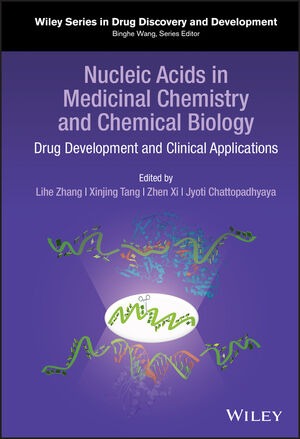
Nuucleic acids in medicinal chemistry and chemical biology : Drug development and clinical applications
Delivers a comprehensive overview of the chemistry and biology of nucleic acids and their therapeutic applications. The book emphasizes the latest research in the field, including new technologies like CRISPR that create novel possibilities to edit mutated genes at the genomic DNA level and to treat inherited diseases and cancers. The authors explore the application of modified nucleosides and nucleotides in medicinal chemistry, a variety of current topics on nucleic acid chemistry and biology, nucleic acid drugs used to treat disease, and more. They also probe new domains of pharmaceutical research, offering the reader a wealth of new drug discovery opportunities emerging in this dynamic field

Nutritional psychiatry : A primer for clinicians
There is increasing evidence that mental health problems such as schizophrenia, depression and anxiety are linked with poor nutrition. At present, very few psychiatrists provide nutritional advice for their patients, despite such advice complimenting drug and psychological therapies. This edited volume is the first book to provide a comprehensive overview of the relationship between nutrition and mental health, for mental health professionals. Featuring contributions from leading authorities in the field, the book examines the link between diet and the microbiome-gut brain axis and how this correlates with a variety of psychiatric disorders. The book explores how enhancing the beneficial bacteria in the gut, through the use of psychobiotics, prebiotics or dietary change can improve mood and reduce anxiety.

Nutritional psychiatry
Provides a comprehensive overview of nutritional psychiatry, elucidating its theoretical foundations, the biological mechanisms linking diet to mental health (including inflammation, oxidative stress, disrupted energy metabolism the gut–brain axis and other implicated pathways), and the current evidence base for dietary impacts on major psychiatric disorders such as depression, anxiety, schizophrenia, bipolar disorder, and ADHD.

Nutritional Management of the Surgical Patient
Provides the first comprehensive evidence-based overview of the nutritional and dietary therapies for surgical patients. It takes clinicians through every stage of surgery, from pre-operative and immediate post-operative care, through to long term recovery and survivorship. This book describes the impact of surgical procedures and their complications and the effect these have on nutritional status as well as the nutritional strategies utilised to manage patients in these settings.

Nutrition, diet and healthy aging
Over the last 100 years, the numerous advances in science, the improved sanitary conditions and a decline in poverty have led to an increase in life expectancy. As a result, in the coming years, the number of over-65s will triple, and the over-80s will be the fastest growing portion of the population. However, an increased lifespan is associated with an increase in chronic diseases, such as cardiovascular disease, diabetes, cancer, sarcopenia, and degenerative disorders. Therefore, ideally, increased lifespan should be associated to a better healthspan, which is the period one individual is living in good health

Nutrition of cancer patient
According to world statistics, nutrition is estimated to contribute to about one-third of preventable cancers, nearly the same amount as the contribution of smoking. It is defined as the processes by which living organisms' intake of food and drink is used by the body for fuel, growth, reproduction, and the overall maintenance of health. Thus, sufficient nutritional consumption is essential for well-being. Consequently, it is an important part of life, cancer treatment, recovery, and prevention; eating the necessary nutrients prior to, during, and after a cancer treatment would aid the patient in the recovery process. A healthy diet means a stable nourishment, and includes obtaining sufficient amounts of essential nutrients (vitamins, minerals, protein, carbohydrates, fat, and water) the body needs. Inadequate intake of essential vitamins and minerals might explain the epidemiological findings that people who eat only small amounts of fruits and vegetables have an increased risk of developing cancer.

Nutrition in Kidney Disease
The field of kidney disease has evolved over the years to encompass a broad and sophisticated knowledge base. There has been a proliferation of scientific information and technical advances in the field. In Nutrition in Kidney Disease, the authors provide a comprehensive perspective of the emerging science in nutrition in kidney disease. This important book is written by a collaborative group of distinguished dietitians and physicians in the specialized field of kidney disease and clinical nutrition, who have devoted their careers to the care of patients with kidney disease. At the end of key chapters, case studies assess knowledge of the subject within the context of didactic curriculums.

Nutrition and Rheumatic Disease
It is difficult, if not impossible, for health care providers to remain at the forefront of knowledge for all aspects of nutrition and rheumatic diseases. In Nutrition and Rheumatic Disease, experts provide a comprehensive review of current knowledge regarding nutrition and dietary management for the complex set of rheumatic conditions. Within the disease-specific chapters, the authors present a historical perspective, a discussion of the major clinical features, current management and treatment, a review of the literature related to nutritional status and diet, and dietary recommendations, based on current scientific evidence. The field of rheumatic diseases includes a wide variety of pathologic processes. Adequate reviews of the scientific literature on each of the rheumatic diseases in Nutrition and Rheumatic Disease alleviate the inherent confusion surrounding the risks and benefits of various dietary therapies.

Nutrition and Gastrointestinal Disease
Nutritional support of people with gastrointestinal impairment is critical to treatment and ultimately successful management. As such, gastroenterologists should be experts in nutrition and knowledgeable about the affects of nutrition on disease management. Nutritional and Gastrointestinal Disease fulfills that need, serving as a hands-on, practical reference in nutrition support for the clinical gastroenterologist and other clinicians with similar interests. The volume offers expert nutritional knowledge and management ideas as well as methodology for combating problems such as short bowel syndrome, inflammatory bowel disease, celiac disease and obesity. Renowned authorities also investigate nutrition’s influence on such issues as liver failure and acute pancreatitis. While gastroenterology training programs around the world remain deficient in their nutrition curriculum, Nutritional and Gastrointestinal Disease provides a comprehensive and groundbreaking support for clinical gastroenterologists.
Nutrition and dietary interventions in cancer
Presents the most up-to-date information on the effects of nutrition and food on cancer prevention and management. The book will provide clinicians and other healthcare practitioners with an educational source on how to educate cancer patients and their families on nutrition and dietary during cancer treatment. Recent nutritional epidemiology studies have occasionally produced controversial or unexpected results and highlight the need for additional research on diet and cancer risk. Chapters within the book focus among others on the role of natural antioxidants in cancer, the importance of micronutrients in cancer prevention and nutritional genomics and their role in cancer prevention.

Nutrition and diet in health: Principles and applications
Food provides us with essential nutrients involved in many physiological activities and biological processes in the body including growth and development, metabolism, immune function, and overall well-being. Nutrition and Diet in Health: Principles and Applications reviews and discusses the issues related to the roles of nutrition and diets in human health and diseases. The book contains two sections - one section features principles, the other, covers applications. Part One provides information on sustainable use of nutrition and diets in health and diseases; advanced biotechnological approaches to improve nutritional content of food; trace elements in nutrition; drug and nutrient interactions; functional foods and nutraceuticals in health maintenance; and Bio markers of functional foods and nutraceuticals in health maintenance. Part Two discusses the significance of nutrition in selected human diseases, including cardiovascular diseases, cancer, infection, neurodegenerative diseases, and metabolic co-morbidities. It also discusses optimal nutrition for wellness, fitness, pregnancy, mental health, aging, and longevity.
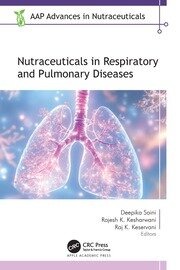
Nutraceuticals in respiratory and pulmonary diseases
Explores nutraceuticals that have been found to be effective in managing and treating respiratory and pulmonary diseases. It explains nutritional supplements that function as adjuvants for respiratory health and which may be useful targets for developing innovative nutraceutical-active respiratory products. The book also discusses the role of vitamins, minerals, and functional foods in the prevention and treatment of respiratory illnesses such as asthma, bronchitis, airway constriction, chronic obstructive pulmonary disorder (COPD), etc. It also explores the potential role of various herbs and foods in the treatment of lung illnesses through the Ayurvedic practices. The effectiveness of various natural and dietary supplements as well as plant and animal-based nutritional supplements for respiratory health are also considered.

Nutraceuticals in obesity management and control
Provides detailed information on nutraceuticals that can be helpful in the control and management of obesity. It clarifies key aspects of nutraceuticals that include sources, extraction, chemistry, mechanisms of action, pharmacology, bioavailability, safety, and various applications. Beginning with a concise overview of the prevalence of obesity, complications related to obesity, and current treatment regimens, the volume delves into the roles of functional foods and nutraceuticals for the management of body weight and for alleviating obesity comorbidities. It goes on to discuss the effect of some of the most commonly and frequently used naturally occurring nutraceutical substances, along with their mechanisms of action in controlling obesity. The volume looks at the role of nutraceutical fruits as well as the beneficial aspects of carotenoids in fruits and vegetables and explores antioxidant-rich nutraceuticals, the role of vitamins and supplements, the use of green tea, and the potential of pseudocereals and spices in the management of metabolic syndrome.

Nutraceuticals in insomnia and sleep problems
Sleep is one of the most important and crucial physiological needs for maintaining a healthy life. However, in today’s day and age, insomnia and other sleep disorders, such as sleep apnea, are increasing rapidly. This new book details the nutraceuticals from foods that help to promote good health and optimum sleep. The authors discuss the importance of sleep, the role of diet in sleep, the role of specific vitamins and minerals, amino acids and opioids as nutraceuticals for sleep, newer technologies for use and delivery of nutraceuticals for treating insomnia, and more. The book not only explores nutraceuticals that promote optimum sleep but also details foods that cause insomnia, such as processed, chemical-rich, and refined foods. Chapters also cover commensal and symbiotic microbes, microbial metabolites, and bacteriocins and their impact on sleep. A chapter on the ethical issues related to addiction to nutraceuticals for sleep induction is also included.

Nutraceuticals in cardiac health management
Cardiovascular diseases (CVDs) constitute the major cause of death worldwide, claiming nearly 18 million lives each year. Multiple foods and nutraceuticals have been proven to reduce the risk of cardiovascular disease. This new book offers an informative update on the most recent scientific evidence addressing the use of nutraceuticals in the prevention and management of heart disease. It summarizes the functional foods that are involved in preventing the risk of CVDs, the mechanisms of the bioactive components that lower the risk of chronic illnesses, as well as the dietary patterns that are involved in the prevention of CVDs. It also covers specific nutraceuticals, including probiotics, dietary fibers, garlic, green tea, vitamins, tomatoes and other lycopene-rich fruits and vegetables, dietary supplements, bee products, and more. In addition, it focuses on detailing the endothelial effects of marine- and plant-derived omega-3 fatty acids and marine-derived natural flavonoids in hypertension and CVDs.

Nutraceuticals in arthritis and psoriasis : Management and prevention of diseases
Explores plant-derived nutraceuticals that can be used as crucial therapeutic tools in the prevention and treatment of arthritis and psoriasis, providing detailed information on the use of plant-derived nutraceuticals, such as microalgae and other marine botanicals, omega polyunsaturated fatty acids, glucosamine and chondroitin sulphate, plant-based gum, vitamins and oils, probiotic supplements, and others in the treatment and management of arthritis and psoriasis. The book relates the recent scientific evidence on the effectiveness of each of these nutraceutical treatments, offering case studies, results of clinical studies, and more.

Nutraceuticals for the treatment and prevention of sexual disorders
Covers diverse aspects of sexual dysfunctions and the role of nutraceutical therapeutics, applying both traditional knoweldge and modern evidence-based research. The new book focuses on the use of nutraceuticals on sexual disorders, highlighting the working solutions as well as open problems and future challenges in the use of nutraceuticals in sexual disorder research. Disucssing state-of-the-art developments and trends in this field, the book covers the use of antioxidants in stress-induced male infertility, the role of nutraceuticals in prostate cancer, male sex hormone disturbances, and the impact of nutraceuticals on male accessory organs. The book also addresses the use of nutraceuticals on female sexual disorders and remedial measures in treating breast cancer, cervical complications, pregnancy health and disorders, menstrual disturbances, female sex hormones, female infertility, and prevention of vaginal infections. The book also covers the use of nutraceuticals to combat general sexual disorders such as urinogenital complications, geriatric sexual functions, traditional nutraceuticals use for sexual disorders, the use of nutritional spices for sexual disorders, and the role of nutraceuticals on transgendered individuals.
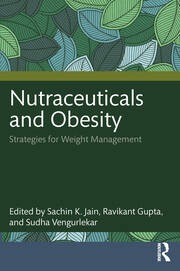
Nutraceuticals and obesity strategies for weight management
his comprehensive volume explores the role that nutraceuticals can play in addressing obesity, shedding light on their potential as tools to promote sustainable weight management strategies as well as addressing associated health risks. Delving into the intricate interplay between nutrition, health, and obesity, the book provides a compelling account that illustrates how nutraceutical interventions can be incorporated into holistic obesity management strategies. It begins with an account of the mechanisms by which nutraceuticals function before featuring chapters on their efficacy and safety, how they can be integrated with other therapeutic interventions, and how they can be tailored for individuals with comorbidities. Offering a global perspective on the issue, there is also coverage of the various regulatory contexts in which nutraceuticals are sold and used.
