



الصفحة 3
الصفحة 3

Criminal Poisoning : Investigational Guide for Law Enforcement, Toxicologists, Forensic Scientists, and Attorneys
Investigational Guide for Law Enforcement, Toxicologists, Forensic Scientists, and Attorneys, leading forensic scientist John Trestrail offers a pioneering survey of all that is known about the use of poison as a weapon in murder. Topics range from the use of poisons in history and literature to convicting the poisoner in court, and include a review of the different types of poisons, techniques for crime scene investigation, and the critical essentials of the forensic autopsy. The author updates what is currently known about poisoners in general (psychological profile, types, and statistical analyses) and their victims (who gets poisoned, investigative considerations, and classic symptoms of poisoning).

Craniomandibular dysfunction in violinists : A literature review
Gives insight into publications focusing on performing violinists, subsequently providing a better understanding to the unique work conditions of violinists, and enhancing diagnosis and therapeutic results by practitioner dentists. The conclusion of the author is, playing violin could be classified as a potential factor associated with CMD in violinists.

Craniofacial pain : Temporomandibular disorders and beyond
Provides a broad, evidence based resource for all clinicians who encounter challenging patients suffering from TMDs. Common causes of craniofacial and myofascial pain of the head and neck, TMD treatment paradigms, and associated symptoms are explained. Background information on TMJ Anatomy, TMD Epidemiology and Pathology is given and advanced topics like therapeutic target and movement disorders and TMD are discussed.

Court Delay and Law Enforcement in China : Civil process and economic perspective
On the basis of an empirical study and taking a comparative as well as an economic perspective Qing-Yun Jiang analyses the problem of court delay and law enforcement in China. He shows that delay is not a serious problem in the lower courts in respect to trial cases, but mainly in appeal cases and retrial cases, which require more time. Moreover, the study confirms that law enforcement has been an obstacle for the development of market economy and a bottleneck of the judiciary. The author concludes that judicial reform should not only deal with symptoms, but with the roots of the political and economic structure.

Cough : Pathophysiology, diagnosis and treatment
This book provides an updated and comprehensive overview of cough, while opening new perspectives for their treatment and management. It enables readers to not only discover new physiologic features and mechanisms but also to gain an in-depth understanding of the diagnostic workup of cough, still one of the most frequent and challenging symptoms in daily medical practice. The book also provides insights into cough’s features and pathogenesis, as well as into pharmacologic and non-pharmacologic treatments. The most frequent causes of chronic cough (asthma, postnasal drip, gastroesophageal reflux and chronic hypersensitivity syndrome) and different types of pediatric cough are also explored.

Congenital torch infections : torch panel
TORCH is a group of infections that can be passed from the pregnant mother to her fetus through the placenta. TORCH, includes Toxoplasmosis, Other (syphilis, varicella-zoster, parvovirus B19, Hepatitis B), Rubella, Cytomegalovirus (CMV), and Herpes infections are some of the most common infections associated with congenital anomalies. Most of the TORCH infections have serious fetal consequences and there has no impact on fetal outcome. In the present article, we wanted to discuss about the causative agents/organism, mode of infection, symptoms, treatment, vaccination, available molecular biological techniques and public awareness regarding this infection, Our objective in this project is to assess the awareness of and knowledge about mother-to-child infections and prevention

Congenital infections : Toxoplasmosis and rubella
Torch syndrome is caused by a uterine infection with one of the factors that cause Torch syndrome, which disrupts the development of the fetus. Torch syndrome can be prevented by treating the infected pregnant woman, and thus preventing transmission of the infection to the fetus. And some of the factors that cause Torch Syndrome can give the mother permanent immunity, preventing the arrival of the disease and thus fetal malformations. They include a group of symptoms caused by a congenital infection such as toxoplasmosis, rubella, CMV and herpes, or due to other organisms such as syphilis, small viruses, and varicella zoster virus. The Toxoplasma parasite and the rubella virus can provide lasting immunity if the mother was infected before pregnancy in both or if she was vaccinated before pregnancy in Rubella.

Clinical toxicology : Principles and mechanisms ; 2nd ed.
Addresses the current principles and mechanisms of clinical toxicology. It examines the complex interactions associated with clinical toxicological events and chemical exposure and drug administration. The author places special emphasis on signs and symptoms of diseases and pathology caused by toxins and clinical drugs. He covers contemporary issues in clinical toxicology, such as biological and chemical toxins, changes in protocols for managing toxic ingestions, new antidotes, and changes in particular treatments. The chapters contain numerous drawings, figures, and tables to aid in comprehension.

Managing Your Headaches
Frequent headaches seriously affect the lives of millions of sufferers. The result can be lost productivity and income, restrict activity, lower self-esteem, and even social isolation. For many, it takes years to find the appropriate medication to manage your headaches effectively. In Managing Your Headaches, Mark and Leah Green and John Rothrock explain what information you should record for your physician, what a physician is looking for in a neurological examination, and what you should (and should not) do to reduce the frequency and severity of your headaches. They discuss the effects of stress, psychological factors, possible food triggers, and environmental risk factors. The authors explain the symptoms of migraine, cluster, and tension-type headaches as well as less common types. They address common concerns and misconceptions and explain current knowledge about headache causes in understandable terms. The newest, most effective medications and their possible side effects are evaluated. The authors also explain how to prevent rebound headaches from over-medications and how non-medical treatments can be of value. Managing Your Headaches will tell you what you need to know to better control your headaches. Armed with the information in this book, you can be aware of the latest treatment options and can have more productive, informed discussions with your physician.
Managing Failed Anti-Reflux Therapy
This multiauthored text provides information on the pathophysiology of GERD, appropriate medical management, and proper indications for and performance of surgical and endoscopic procedures for GERD. Thousands of patients will experience inadequate relief from medical therapy or will develop complications from their procedures or recurrent or new symptoms afterwards; this text describes in detail the proper evaluation and management of such patients.
Malattie dellapparato respiratorio = Respiratory system diseases
This book reports the status of the art of the community more diseases of the respiratory apparatus. The first part is dedicated to the anatomy of the lung, to the regulation of the respiration and to the respiratory mechanics, follows the functionalities of the respiratory pain and the invasive and non-invasive diagnosis, including the diagnosis per imaging in pneumology. Nella description of the particular malattie importance of this date in the chiarire the "perché" of the diversi symptoms and according to the clinical practice within the therapeutic approach, confronted with te international guideline, with the communication of the vast experience of the clinic of the author. The main objective of this book is that the recent acquisition of the physiology, pathophysiology and clinic of the respiratory system, including non-invasive mechanical ventilation, oxygen therapy and respiratory rehabilitation, and combining a clear description from the respiratory pathophysiology with emphasis on its clinical application. The volume is aimed both at students of the specialist degree course in medicine and surgery, and at specialists in diseases of the respiratory system. It also represents a valid reference for the general medicine doctor, above all when the last intention will increase the proprietary knowledge of clinics, diagnosis and therapy in the sector of the respiratory pathology, branch that always is often shared by the doctor and the specialist in the risoluzione of almost anche molto complessi.

Longs COVID-19 patients
Nearly 250 million people around the world have recovered from Covid-19. But here, the word "recovered" refers only to the acute phase of the illness. Approximately 10 and 40 percent of Covid patients continue to experience symptoms several weeks to months after falling sick, a nebulous condition now referred to as post-Covid condition, or long Covid. In long Covid, we are witnessing the emergence of a legitimate new illness, officially recognized by the World Health Organization's International Classification of Diseases...
La riabilitazione dei disturbi cognitivi nella sclerosi multipla = The rehabilitation of cognitive disorders in multiple sclerosis
Multiple sclerosis is one of the most frequent causes of chronic disability in young adults. It mainly affects individuals between 20 and 50 years of age, with a peak of incidence around the age of 30. This disease is characterized by the presence of demyelinating lesions of an inflammatory nature disseminated in the central nervous system. The different localization of these lesions is at the basis of the variability of clinical symptoms which can be characterized by motor, sensory, neurovegetative and cognitive disorders. The latter concern about half of the patients affected by this pathology and have a significant impact on the personal, family and work situation of these patients.

Kumar and Clarks cases in clinical medicine
Provides a comprehensive collection of over 200 real-life clinical cases designed to support clinical reasoning and enhance diagnostic and management skills through case-based learning. The cases cover a wide range of acute symptoms and conditions encountered in medicine, with clear and concise advice on diagnosis and management. The level of detail is ideal for exam revision as well as to support junior doctors and other healthcare professionals on the wards.

Jaundice
Jaundice in an adult patient can be caused by a wide variety of benign or life-threatening disorders. Organizing the differential diagnosis by prehepatic, intrahepatic, and posthepatic causes may help make the work-up more manageable. Prehepatic causes of jaundice include haemolysis and hematoma resorption, which lead to elevated levels of unconjugated (indirect) bilirubin. Intrahepatic disorders can lead to unconjugated or conjugated hyperbilirubinemia. The conjugated (direct) bilirubin level is often elevated by alcohol, infectious hepatitis, drug reactions, and autoimmune disorders. Posthepatic disorders also can cause conjugated hyperbilirubinemia. Gallstone formation is the most common and benign posthepatic process that causes jaundice; however, the differential diagnosis also includes serious conditions such as biliary tract infection, pancreatitis, and malignancies.

Jaundice
• Physiologic Anatomy Liver • HEMOGLOBIN FORMATION • Formation and Fate of Urobilinogen • Jaundice—Excess Bilirubin in the Extracellular Fluid • Hemolytic Jaundice Is Caused by Hemolysis of Red Blood Cells • Obstructive Jaundice Is Caused by Obstruction of Bile Ducts or Liver Disease • Diagnostic Differences Between Hemolytic and Obstructive Jaundice • Infant jaundice • Prolonged unconjugated hyperbilirubinemia associated with breast milk and mutations of the bilirubin uridine diphosphate-glucuronosyltransferase gene • Acute bilirubin encephalopathy • Hepatitis (A + B + C) • Immune system abnormaly • Jaundice in the adult

Community-Acquired Pneumonia : The reality of Pneumonia and the most responsible Pathogens with Diagnosis, Treatment, and Prevention
This labor will discuss community acquired pneumonia as a disease associated with death and as a problem in order to solve it. As a disease I showed a definition of it, how it occurs, the sign and symptoms, risk factor, epidemiology, mortality, causes, and pneumonia in children. And as a problem I present how the world deals with this disease and suggest how we should deal with it in our country abilities, By mention satisfactory and studies associated with diagnosis, treatment, and prevention of CAP then discuss it all one by one in way that produce good quality according to our facilities.
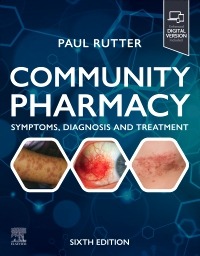
Community pharmacy : symptoms, diagnosis and treatment
Support pharmacists in identifying, diagnosing, treating or referring the illnesses and conditions they will commonly encounter in the community. A logical structure covers the full range of common presentations, including respiratory, ear, eye, gastroenterological and skin conditions. Clear pictures, referral criteria and summaries of treatment options support clinical reasoning, differential diagnosis and selection of appropriate products. Suitable for both pharmacy students and qualified pharmacists, the sixth edition has been fully updated to align with changes to the pharmacy curriculum and the rapidly expanding scope of pharmacists working in primary care and community pharmacy.

Clinical microbiology made ridiculously simple
Is a brief, clear, thorough, and updated approach to clinical microbiology, brimming with mnemonics, humor, summary charts, and illustrations. Topics include Ebola, AIDS, flesh-eating bacteria, mad cow disease, hantavirus, anthrax, smallpox, and tuberculosis; the latest antibiotics; pandemic flu, including H7N9; SARS-like coronavirus; hepatitis C treatment options; HIV diagnostics and approved HIV meds; Zika virus; measles; and a new chapter on the latest emerging infectious diseases and drug-resistant bacteria. The major update to this book is the addition of a new chapter on the SARS-COV-2 virus and COVID-19 disease, which delves into the nature of the virus such as infectivity within the body, transmission between individuals, timeline of infectivity, symptoms, risk factors, therapeutics, and vaccines approved for use.
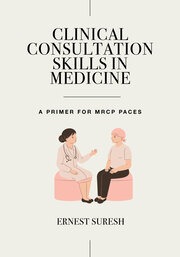
Clinical consultation skills in medicine : A primer for MRCP PACES
Follows the revised format of the Practical Assessment Clinical Examination Skills (PACES) exam conducted by the Royal College of Physicians in the UK, where ‘clinical consultation skills’ will be tested twice in two separate stations. Thus, coming closest to what doctors do in real life: obtain a structured history, perform a focussed examination and explain the problem to the patient in lay terms. This book takes readers through a rational approach to 63 common presenting symptoms or laboratory abnormalities in medicine. It is aimed at improving the clinical consultation skills of young doctors and preparing them for the new format of MRCP PACES
