



الصفحة 3
الصفحة 3

Alzheimer's Disease
Alzheimer is a disease which has not a cure yet, and about 10% of the population worldwide will suffer from it. However younger people may also develop this disease mainly at 45 years old mainly women who has double the rate of incidence since 1 if five women will certainly develop it. Therefore the goal of our research is to study first of all the history of such popular disease and its risk factors and current therapies or iagnostic tools and more important we will introduce a test which was discovered few months ago to predict the risk of developing Alzheimer few decades before it occurs and we will apply it in our laboratories in Syria as well. Beside this preventive test we will add also a very important diet to follow up by people who has a family history.
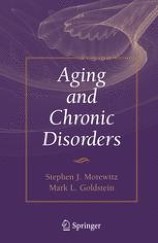
Aging and Chronic Disorders
Aging and Chronic Disorders brings the most up-to-date answers into clear, readable focus. Focusing on the most prevalent conditions affecting older adults (diabetes, cardiovascular disease, cancer, osteoporosis, osteoarthritis, rheumatoid arthritis, low back pain, and fibromyalgia), Morewitz and Goldstein analyze disabilities and risk factors, stressors and coping strategies, treatment and rehabilitation methods, and patient education and self-management. Separate chapters are devoted to cognitive changes, psychological problems, and trends in health care utilization among seniors, and all chapters are amplified by current research findings and instructive case studies. As in their recent work.
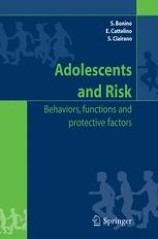
Adolescents and risk : Behaviors, functions and protective factors
The book describes the different risk behaviors, shows the linkages among them, explains the functions served by the various risk behaviors or the meanings they may have for the adolescent, examines how they vary with age, sex, and other demographic characteristics, demonstrates the influential role that the theoretical risk factors and protective factors play in adolescent risk behavior involvement. The research findings not only strengthen the theory, but they serve as an important guide to the design of intervention efforts to prevent or reduce adolescent involvement in risk behavior.
