



الصفحة 3
الصفحة 3

Encyclopedia of Human Nutrition
Provides updated information on the foundations of nutrition science, along with the biology and functions of vitamins and other essential nutrients present in the human diet. The book's content offers a modern understanding of the links between diet and health effects, including diseases of recognized nutritional etiology. This overview of the genetic and molecular aspects of nutrient-health interrelationships includes important content on topics like nutrigenomics, metabolomics and the microbiome. In addition, the book provides global context, particularly on the issue of food production, sustainability and climate change.

Effect of Cranberry in the Treatment of E. Coli
Escherichia coli (E. coli) bacteria normally live in the intestines of healthy people and animals. It may cause severe stomach cramps, bloody diarrhoea, vomiting and UTI. You may be exposed to E. coli from contaminated water or food especially raw vegetables and undercooked ground beef. Healthy adults usually recover from infection with E. coli within a week. Young children and older adults have a greater risk of developing a life-threatening form of kidney failure. Cranberries are a popular superfood. People can consume them in the form of a sauce or a juice. They can also add them to stuffing, casseroles, or dessert. In fact, research has linked the nutrients in cranberries to a lower risk of urinary tract infection (UTI), the prevention of certain types of cancer, improved immune function, and decreased blood pressure

Ecological Responses to the 1980 Eruption of Mount St. Helens
The eruption of Mount St. Helens on May 18, 1980, had a momentous impact on the fungal, plant, animal, and human life from the mountain to the far reaches of the explosion's ash cloud and mudflows. Although this intense natural event caused loss of substantial life and property, it also created a unique opportunity to examine a huge disturbance of natural systems and their subsequent responses. Based on one of the most studied areas of volcanic activity, this book synthesizes the ecological research that has been conducted for twenty-five years since the eruption.

Dryland Ecohydrology
By combining the analysis of biotic and abiotic components of terrestrial ecosystems, this volume provides a synthesis of material on arid and semiarid landscapes, which is currently scattered in a number of books and journal articles. The focus on water-limited ecosystems is motivated by their high sensitivity to daily, seasonal, and decadal perturbations in water availability, and by the ecologic, climatic, and economic significance of most of the world's drylands. Conceived as a tool for scientists working in the area of the earth and environmental sciences, this book presents the basic principles of eco-hydrology as well as a broad spectrum of topics and advances in this research field.

Drugs and nutrients : The interactive effects
Devoted to the effects of food and of nutrient intake on the disposition of foreign compounds, and discusses effects of drugs on nutrition. It is intended for nutritionists and clinical investigators concerned with interpretation of aberrant effects of therapeutic drugs.

Dictyostelium discoideum : Methods and protocols
Discusses the latest advancements and techniques used to study Dictyostelium discoideum. The chapters in this book cover topics such as cytokinesis, membrane function and damage, and nutrient/bacterial processing; autophagy activation and function; protein localization, interaction, and activation; cell migration and contact guidance for quantification of cytoskeletal dynamics; and global mutational screening, transcriptome analyses, and proteomics that apply to all stages of the Dictyostelium life cycle and that may generalize to human disease models. Written in the highly successful Methods in Molecular Biology series format, chapters include introductions to their respective topics, lists of the necessary materials and reagents, step-by-step, readily reproducible laboratory protocols, and tips on troubleshooting and avoiding known pitfalls.

Diabetes meal planning nutrition For dummies
Offers you a holistic approach to living your best life with diabetes. Optimize your diet and plan delicious meals that will empower you to take control, improve your health, prevent, and even reverse diabetes. Written by an award-winning chef and renowned doctor who are both experts in the field of nutrition, this book helps you understand what defines healthful eating for diabetes, its crucial role to long term health, and how meal planning is a key to successful diabetes management. Learn how to receive all the nutrients necessary for glucose control while managing Type 1 or Type 2 diabetes and maintaining ideal weight. Discover how to supercharge your diet and protect yourself from the complications associated with diabetes with anti-inflammatory and antioxidant-rich foods.
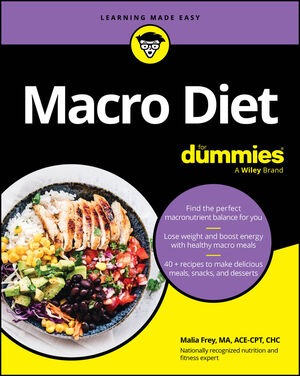
Macro diet for dummies
Teaches you everything you need to know to master the popular meal plan that has helped athletes, celebrities, and people just like you build lean muscle and lose fat for good. On the macro diet, you track macronutrients instead of calories, so you know you’re giving your body the correct balance of daily nutrients to feel energized, strong, and healthy. And the great thing is that, as long as you balance your macros and meet your daily goals, you can eat whatever you want. You'll reach your weight and health goals without feeling deprived of your favorite foods.

Long-term limnological research and monitoring at Crater Lake, Oregon : A benchmark study of a deep and exceptionally clear montane caldera lake
Crater Lake is located in the caldera of Mount Mazama in Crater Lake National Park, Oregon. The lake has a surface area of about 53 km2 at an elevation of 1882 m and a maximum depth of 594 m – seventh deepest in the world. This special volume represents our current state of knowledge of the status of this pristine ecosystem including its special optical properties, algal nutrient limitations, pelagic bacteria, and models of the inter-relationships of thermal properties, nutrients, phytoplankton, deep-water mixing, and water budgets.

Liver
Liver is the second largest organ in human body, more than 5,000 separate bodily functions including helping blood to clot, cleansing the blood of toxins to converting food into nutrients to control hormone levels, fighting infections and illness, regenerating back after injury and metabolizing cholesterol, glucose, iron and controlling their levels. Most people never give their liver a thought until something goes wrong, yet, liver diseases on rise, affecting one in ten. Liver diseases can be inherited or caused by a variety of factors that damage the liver.
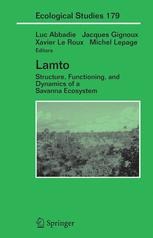
Lamto : Structure, Functioning, and Dynamics of a Savanna Ecosystem
Known as "a dream place for scientists," the Lamto savannas, located on the edge of the Cote d'Ivoire rain forests, are one of the only savannas in the world where ongoing ecological research has endured for more than forty years. Drawing from and synthesizing this abundance of research, the book examines the structure, functioning, and dynamics of the Lamto humid savanna. Beginning with the history of the Lamto ecology station and an overview of the major environmental conditions of the site, this exacting work specifically examines the integrative view of energy and nutrient fluxes relative to the dynamics of the savanna's vegetation.
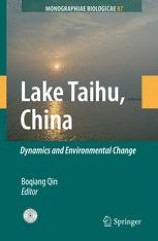
Lake Taihu, China : Dynamics and Environmental Change
There are many shallow lakes in the world. Many of them play an important socio-economic role as contributors to the drinking water supply, in flood attenuation, fisheries and recreation activities. Because of the current anthropogenic changes in the environment, such lakes rapidly respond to eutrophication and swamping. It is often hard to address these issues because many changes in the ecosystems of shallow lakes are associated with little studied physical processes. This interaction between the aquatic biota and the physical and chemical environment increases the complexity of shallow lake ecosystems. Lake Taihu, located in the delta of Yangtze River, is a typical large, shallow eutrophic lake with area of 2338 km2 and maximum depth of less than 3m . This book provides basic data on various aspects of this lake and summarizes research work on the interaction between its ecology and physical limnology. It will be a reference for teachers and students of freshwater ecology and biology, the aquatic environment in general, and, most strikingly, for all those interested in physical limnology.
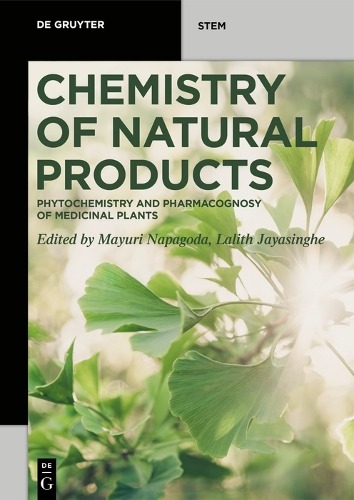
Chemistry of natural products : phytochemistry and pharmacognosy of medicinal plants
Plants produce secondary metabolites that humans harness for their own benefit. About half of drugs currently in clinical use are based on these chemicals found in nature. Chemistry of Natural Products covers secondary metabolites present in medicinal plants and their biosynthesis, biological activities, and isolation and separation techniques.
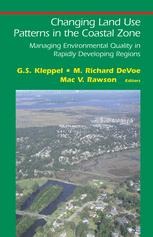
Changing Land Use Patterns in the Coastal Zone : Managing Environmental Quality in Rapidly Developing Regions
Coastal ecosystems make up some of the most important, yet most endangered, regions in the world. The protection of the unique processes that take place in these ecosystems requires that partnerships be formed among ecologists, resource managers, and planners. Experienced in the challenges of coastal system analysis, the contributors to this book provide multidisciplinary guidance on the assessment and management of environmental impacts caused by development. Each chapter examines an issue important to these fragile ecosystems, first presenting a non-technical summary of the issue and a review of the current state of the knowledge, then following with data and a more detailed consideration of the topic.
Cardiovascular Regeneration Therapies Using Tissue Engineering Approaches
The cardiovascular system transports oxygen and nutrients to all parts of the body; therefore, any impediment to this system through, for example, a circulatory disorder, represents a serious threat to organs, tissues, and cells. Obstructive diseases of vessels with a diameter of more than 1 mm can be treated by conventional surgical and interventional approaches; however, blockages in small vessels with a diameter of less than 1 mm cannot be treated by conventional methods. As a consequence, therapeutic ang- genesis and vasculogenesis for the treatment of ischemic diseases have been widely studied in the last decade. These methods may contribute to the re pair of intractable cardiovascular diseases with a main vascular involvement in the body's smallest vessels. In this book, Hikaru Matsuda and I have tried to summarize recent Japanese developments in the field of cardiovascular regeneration therapies using tissue engineering.
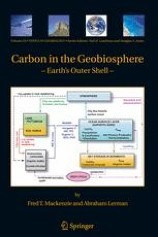
Carbon in the Geobiosphere : Earth's outer shell
Carbon and carbon dioxide always played an important role in the geobiosphere that is part of the Earth’s outer shell and surface environment. The book’s eleven chapters cover the fundamentals of the biogeochemical behavior of carbon near the Earth’s surface, in the atmosphere, minerals, waters, air-sea exchange, and inorganic and biological processes fractionating the carbon isotopes, and its role in the evolution of inorganic and biogenic sediments, ocean water, the coupling to nutrient nitrogen and phosphorus cycles, and the future of the carbon cycle in the Anthropocene. This book is mainly a reference text for Earth and environmental scientists; it presents an overview of the origins and behavior of the carbon cycle and atmospheric carbon dioxide, and the human effects on them. The book can also be used for a one-semester course at an intermediate to advanced level addressing the behavior of the carbon and related cycles.

Calcium in Human Health
Calcium performs diverse biological functions in the human body and is a micronutrient essential to human health and well-being. It serves as a second messenger for nearly every biological process, stabilizes many proteins, and in deficient amounts is associated with a large number diseases and disorders. In Calcium in Human Health, a panel of highly respected researchers and clinical practitioners comprehensively reviews the state of our knowledge concerning this ubiquitous micronutrient, not only demonstrating its importance to human health, but also defining its many complex roles.
Biosaline Agriculture and High Salinity Tolerance
this book reviews the current state of knowledge in biosaline agriculture and high salinity tolerance in plants. It mainly focuses on the biotic approach to economically utilize the stress-prone areas by growing resistant plants.This volume comprises three sections: physiology and biochemistry, ecology, and molecular biology. Thus, a systematic approach has been adopted to uncover plant responses to various ecological factors at physiological and molecular levels.
Bee products : Chemical and biological properties
Presents an updated discussion on the chemical composition and biological properties of the main bee products, which until now have been presented separately in different editions This book scoops out studies about bee products most used in marketing and in traditional medicine such as honey, royal jelly, propolis, bee pollen and bee venom Discusses chemical composition and biological function of the different bee products on topics such as nutrition, aging and age-related diseases, cancer, neurodegenerative diseases and pathogen infections Bee products are rich in several essential nutrients and non essential nutrients, as sugars, minerals, proteins, free amino acids, vitamins, enzymes and polyphenols, that seem to be closely related to their biological functions. The effects of these products in nutrition, aging and age-related diseases, cancer, neurodegenerative diseases and pathogen infections are discussed.

Baby milk in Syria
Breastfeeding is one of the most effective ways to ensure child health and survival. However, contrary to WHO recommendations, fewer than half of infants under 6 months old are exclusively breastfed. Infant formulas are liquids or reconstituted powders fed to infants and young children to serve as substitutes for human milk. Infant formulas have a special role in the diet because they are the only source of nutrients for some infants...
