



الصفحة 3
الصفحة 3

Longs COVID-19 patients
Nearly 250 million people around the world have recovered from Covid-19. But here, the word "recovered" refers only to the acute phase of the illness. Approximately 10 and 40 percent of Covid patients continue to experience symptoms several weeks to months after falling sick, a nebulous condition now referred to as post-Covid condition, or long Covid. In long Covid, we are witnessing the emergence of a legitimate new illness, officially recognized by the World Health Organization's International Classification of Diseases...
Longer-Term Psychiatric Inpatient Care for Adolescents : A Multidisciplinary Treatment Approach
Describes the theoretical underpinnings and operational aspects of delivering longer-term inpatient psychiatric care to adolescents experiencing severe, unremitting mental illness. The authorship is drawn from the multidisciplinary team that supports the Walker Adolescent Unit, located in Sydney, Australia. The book begins with an account of the planning and development of the unit, an examination of the physical environment, and the adaptations that have been made to ensure its functionality. There follows a consideration of the therapeutic milieu. The book describes clinical processes such as admission and discharge planning, formulation and case review. There is information about the specific roles of professionals and the therapies that they provide. The book describes the steps taken to maintain and enhance the physical wellbeing of patients. There are chapters dedicated to governance, and to training and education. The final chapter describes how the unit responded to challenges created by the COVID-19 pandemic.

Liver
Liver is the second largest organ in human body, more than 5,000 separate bodily functions including helping blood to clot, cleansing the blood of toxins to converting food into nutrients to control hormone levels, fighting infections and illness, regenerating back after injury and metabolizing cholesterol, glucose, iron and controlling their levels. Most people never give their liver a thought until something goes wrong, yet, liver diseases on rise, affecting one in ten. Liver diseases can be inherited or caused by a variety of factors that damage the liver.
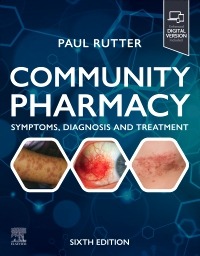
Community pharmacy : symptoms, diagnosis and treatment
Support pharmacists in identifying, diagnosing, treating or referring the illnesses and conditions they will commonly encounter in the community. A logical structure covers the full range of common presentations, including respiratory, ear, eye, gastroenterological and skin conditions. Clear pictures, referral criteria and summaries of treatment options support clinical reasoning, differential diagnosis and selection of appropriate products. Suitable for both pharmacy students and qualified pharmacists, the sixth edition has been fully updated to align with changes to the pharmacy curriculum and the rapidly expanding scope of pharmacists working in primary care and community pharmacy.

Chronic Pain and Family : A Clinical Perspective
Chronic pain affects every facet of a patient’s life, and nowhere is this more evident than in the complex arena of family life. Chronic Pain and Family: a Clinical Perspective examines typical family issues associated with prolonged illness, offering realistic ways to approach them in therapy. Informed by current practice and his own experience, noted author/clinician Ranjan Roy brings fresh insights to common pain scenarios and therapeutic impasses, and provides a framework for assessing marital and family relationships when chronic pain is a defining factor. Clinicians will get not only a clearer understanding of sensitive issues, but also effective strategies for engaging clients without turning them off.
Choices in Palliative Care : Issues in Health Care Delivery
Keeping up with these statistics means improving on traditional concepts of palliative care to meet growing demands. Choices in Palliative Care brings together 31 leading experts to spotlight core issues in the field, identify ways PC can fill gaps in current care systems, and demonstrate state-of-the-art care that is both cost-effective and clinically appropriate. This far-sighted volume redefines palliative care as interdisciplinary and integrative, providing liaisons between patients, families, and doctors; minimizing loved ones’ care burdens; bridging acute and long-term care to respond to clients’ evolving needs; adaptable to non-fatal (and possibly curable) chronic illnesses.

Chewing gum containing artemisa absinthium (Wormwood) and Vitamin B12 for Anorexia treatment
Anorexia is a medical name for loss of appetite which mean decrease appetite and it is the reason for mental and physical illness. Anorexia can accompany many diseases like infections, covid- 19, cancer, and it is also caused by many drugs. Our objective was to evaluate the level of knowledge about the anorexia among Syrian population, and, to develop chewing gum as health supplement. We used Artemisia absinthium L. (wormwood), vitamin B12 as pharmaceutical supplement ingredients, and, pine resin, or zein protein extracted from com as chewing gum bases...

Bone remodeling and osseointegration of implants
Provides an insight into the latest advances in bone fracture healing and remodeling algorithm and their incorporation into patient-specific finite element models and the use of machine learning and artificial intelligence to predict the bone regeneration and osseointegration process with a certain degree of accuracy. It also examines the applications of numerical models to simulate the fracture healing process, which may prove to be advantageous in determining the optimal mechanical-based treatment or reconstruction after an accident or illness.

Bipolar disorder
Mood" is defined as a ubiquitous and sustained feeling or emotion that dominates a person’s behavior and affects his perception. Mood disorders also known as affective disorders include unipolar and bipolar disorders. Manic-depressive disorder--more contemporarily identified as bipolar disorder (BD)--is a chronic and complex disorder of mood that is characterized by a combination of manic, hypomanic, and depressive episodes, with subsyndromal symptoms extant in between the mood episodes. It is one of the leading causes of worldwide disability and morbidity.
Biological, chemical, and radiological Terrorism : Emergency preparedness and response for the primary care physician
This book provides sought-after guidance to primary care physicians on preparing for and responding to terrorist events. Chapters offer a fundamental understanding of the epidemiology and relevant clinical aspects of diseases caused by biological agents (anthrax, plague, smallpox, botulism, tularemia, and hemorrhagic viruses), chemical agents (nerve and blister), and radiological agents. The text details how to detect terrorist-caused illness as early as possible, how to provide defensive or preventive therapy, and how to triage and treat ill patients. Emphasis is placed on addressing both the physical and psychological impact on patients and providers.
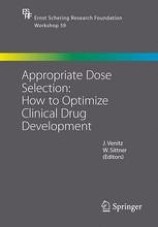
Appropriate Dose Selection - How to Optimize Clinical Drug Development
Optimal dose individualization has become more important in improving clinical efficacy and safety, given the variability in drug response, e.g., due to concurrent illnesses or co-medications. Therefore, the role of optimal dose finding in early clinical drug development so as to maximize successful clinical use is emphasized. The continued use of biomarkers – based on the (known) pharmacology of the drug and/or biology of the underlying disease – along with exposure–response evaluation throughout all phases of drug development can quantitatively integrate clinical pharmacology knowledge, provide early proof of concept, and help in rational dose selection and rational drug product labeling for clinical use.

Anxiety in health behaviors and physical illness
While the links between physical illness and depression have been well-documented and analyzed, little has been made of the data relating physical illness to anxiety—until now. Anxiety in Health Behavior and Physical Illness explores complex relationships between medical and anxiety pathology on the theoretical, research, and practical fronts. Over forty experts examine reciprocal roles of anxiety and medical illness as causal or exacerbating factors in each other’s onset and development, describe forms of anxiety typical to major disease entities, discuss common health behaviors as they impact anxiety, recast anxiety disorders as chronic illness, and identify patients for whom new forms of treatment may be warranted.

Anorexia nervosa and mood-enhancing foods
Anorexia nervosa (AN) is a serious mental illness characterized by failure to maintain normal weight and by overvalued ideas about the importance of body shape and weight. This study aims to discuss Anorexia nervosa and understand the pathophysiology to successfully fight this enigmatic illness and present the goal of the treatment for individuals with AN. The bi-directional influences between emotion and food consumption are discussed. Finally, we have searched in Future Directions and Treatment development of AN.

Alzheimer’s and new horizon
Alzheimer's disease (AD) is characterized by progressive loss of memory and other cognitive functions. This study aims to discuss Alzheimer's disease (AD) and its increasing incidence and related huge fund to take care of such patients and will understand the pathophysiology in order to successfully fight this enigmatic illness and the goal of is the treatment for individuals with AD. Our study will also focus on the mutualistic relationship between AD and SARS- COV-2 infection and its correlation with cancer will be also discussed...

Allergic rhinitis
Allergic rhinitis is a very common disorder that affects people of all ages, peaking in the teenage years. It is frequently ignored, underdiagnosed, misdiagnosed, and mistreated, which not only is detrimental to health but also has societal costs. Although allergic rhinitis is not a serious illness, it is clinically relevant because it underlies many complications, is a major risk factor for poor asthma control, and affects quality of life and productivity at work or school. Management of allergic rhinitis is best when directed by guidelines. A diagnostic trial of a pharmacotherapeutic agent could be started in people with clinically identified allergic rhinitis; however, to confirm the diagnosis, specific IgE reactivity needs to be recorded.

Advances in flavonoids for human health and prevention of diseases
In response to the recent upsurge of interest in the therapeutic potential of medicinal plants, with their promising phenolic compounds, this new book offers an important overview of advances in the applications of flavonoids for health. The book explores the nutritional and pharmacological properties of polyphenols and flavonoids, including their ability to prevent the start and development of diseases and how they aid in the management of several chronic pathological illnesses, including cancer, diabetes, cardiovascular disease, neuro-degenerative illness and aging, pregnancy-induced disorders, and others. Also discussed in depth are the properties, classes, and degrees that formulate a phenolic compound and which subsequently supports the development of drugs/products with health benefits.

Acute Endocrinology : From Cause to Consequence
The integration of endocrinology in critical care medicine has led to new experimental and clinical data on the complex endocrine and metabolic derangements accompanying non-endocrine severe illnesses. The joining of these two disciplines has generated important novel insights with significant clinical implications. Acute Endocrinology: From Cause to Consequence compiles these new findings into an important and highly relevant new resource.

Academic Study of Common Diets
The foods you choose to eat can have a direct impact on your ability to enjoy life to its fullest. Perhaps the most obvious positive effect of food is the pleasurable feeling you get from eating a good-tasting meal. Over the past decade there has been an increasing concern about the impact of chronic diseases on the health of developing world populations. Traditionally, major causes of illness and death in developing countries have been linked to infectious diseases and undernutrition, and these are still major public health problems in several regions of the world. Obesity is recognized as an underlying risk factor for many of these chronic conditions. As in developed societies, the risk of obesity in developing countries is also strongly influenced by diet and lifestyle, which are changing dramatically as a result of the economic and nutrition transition.

A History of Male Psychological Disorders in Britain, 1945–1980
Explores the under-researched history of male mental illness from the mid-twentieth century. It argues that statistics suggesting women have been more vulnerable to depression and anxiety are misleading since they underplay a host of alternative presentations of 'distress' more common in men.
