



الصفحة 3
الصفحة 3

Muscle hypertrophy and role of anabolic hormones in bodybuilding
The goal of our research first of all to give an overall view on the physiology of muscles and we will focus on natural elements such as diet and exercises to improve your aim without using chemical drugs, we will also include other factors affecting hypertrophy muscle such as genetic ones since the variation in between two sportive persons might be more than 50 percent determined by heredity which is a very important element and may lead a sportive man to elevate the doses to reach the same development of ideal muscles.

Muscle Development in Drosophilia
The different aspects of muscle development are considered from cellular, molecular and genetic viewpoints, and the text is supported by black/white and color illustrations. The book will appeal to those studying muscle development and muscle biology in any organism.
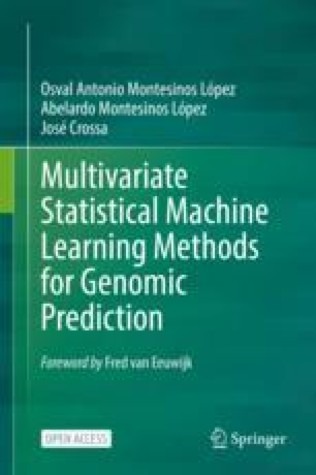
Multivariate Statistical Machine Learning Methods for Genomic Prediction
This book brings together the latest genome base prediction models currently being used by statisticians, breeders and data scientists. It provides an accessible way to understand the theory behind each statistical learning tool, the required pre-processing, the basics of model building, how to train statistical learning methods, the basic R scripts needed to implement each statistical learning tool, and the output of each tool. To do so, for each tool the book provides background theory, some elements of the R statistical software for its implementation, the conceptual underpinnings, and at least two illustrative examples with data from real-world genomic selection experiments.

Multiplication of RNA Plant Viruses
Biochemical studies on plant virus RNA replication have advanced considerably since 2000, primarily because of new genetic, molecular, biochemical, and enzymatic studies. Certain virus-encoded essential proteins, nucleotide sequence motifs, and RNA secondary structures are central to virus RNA replication, which has a number of stages.

Multiple Classifier Systems ; 7th International Workshop, MCS 2007, Prague, Czech Republic, May 23-25, 2007, Proceedings
These proceedings are a record of the Multiple Classifier Systems Workshop, MCS 2007, held at the Institute of Information Theory and Automation, Czech Academy of Sciences, Prague in May 2007. the workshop achieved its objective of bringing together researchers from diverse communities (neural networks, pattern rec- nition, machine learning and statistics) concerned with this research topic.

Multiobjective Optimization : Interactive and Evolutionary Approaches
Multiobjective optimization deals with solving problems having not only one, but multiple, often conflicting, criteria. Such problems can arise in practically every field of science, engineering and business, and the need for efficient and reliable solution methods is increasing. The task is challenging due to the fact that, instead of a single optimal solution, multiobjective optimization results in a number of solutions with different trade-offs among criteria, also known as Pareto optimal or efficient solutions. Hence, a decision maker is needed to provide additional preference information and to identify the most satisfactory solution. Depending on the paradigm used, such information may be introduced before, during, or after the optimization process. Clearly, research and application in multiobjective optimization involve expertise in optimization as well as in decision support.

Multi-Objective Machine Learning
This monograph presents a selected collection of research work on multi-objective approach to machine learning, including multi-objective feature selection, multi-objective model selection in training multi-layer perceptrons, radial-basis-function networks, support vector machines, decision trees, and intelligent systems.

Multi-Objective Evolutionary Algorithms for Knowledge Discovery from Databases
The present volume provides a collection of seven articles containing new and high quality research results demonstrating the significance of Multi-objective Evolutionary Algorithms (MOEA) for data mining tasks in Knowledge Discovery from Databases (KDD). These articles are written by leading experts around the world. It is shown how the different MOEAs can be utilized, both in individual and integrated manner, in various ways to efficiently mine data from large databases.

MSCs and Innovative Biomaterials in Dentistry
Presents the modern concepts of mesenchymal stem cells (MSCs) and biomaterials as they pertain to the dental field. The book is organized around three main topics: MSCs biology, advanced biomaterials, and clinical applications. The chapters present basic information on stem cell biology and physiology, modern biomaterials that improve bone tissue regeneration, the biomatrices like platelet-rich fibrin (PRF) used to functionalize the biomaterials surface, the strategic and safe intraoral seats of harvesting, the new sources for MSCs, as well as the future perspectives and new challenges in these exciting fields.

Mortality and Maldevelopment : Part I : Congenital cardiovascular malformations
The most frequent of them all are the many types of malformations of the cardiovascular system, the heart and its blood vessels.Study of these conditions during the twentieth century took many forms, revolving about examination and analysis of their causes, genetic, nongenetic, and complex. To aid in unraveling the complexities of this causation, various influences on their frequency are considered, among them social conditions, maternal health, birthweight, newborn maturity. And of course the known and possible environmental bases of their occurrence are fully described.

Morphology, Molecules, Evolution and Phylogeny in Polychaeta and Related Taxa; Proceedings of two ISSI Workshops, 18–22 October 1999 and 15–19 May 2000, Bern, Switzerland
Recently, evidence has been accumulated which shows that some of the groups formerly regarded as independent "phyla" such as Pogonophora (now recognized as Siboglinidae), Echiura, Myzostomida and perhaps Sipuncula, are most probably nothing else than greatly modified Annelida. The extreme morphological diversity found especially in Polychaeta displays the plasticity of a simple segmented organisation that basically is nothing else but a serial repetition of identical units. Thus, annelids are highly important to our understanding of fundamental questions about morphological and adaptive diversity, as well as clarifying evolutionary changes and phylogenetic relationships. The book aims to summarize our knowledge on Polychaetes polychaetes and their allies and gives an overview of recent advances gained by studies that employed conventional and modern methods plus, increasingly and importantly, the use of molecular markers and computer-assisted kinship analyses. It also reflects the state of art in polychaete sciences and presents new questions and controversies. As such it will significantly influence the direction of research on Polychaeta and their related taxa.

Monograph of the Urostyloidea (Ciliophora, Hypotricha)
This monograph is the second of a series treating the hypotrichs, a major part of the spirotrichous ciliates. The urostyloids are characterised by a zigzag-arrangement of the ventral cirri. Like the first part of the series, the Oxytrichidae, it summarises the morphological, morphogenetic, faunistic, and ecological data from the past 230 years, scattered in more than 1300 references from all over the world. Dichotomous keys lead to 36 genera and subgenera comprising 153 species illustrated by more than 2100 figures, including original ones. The treatise offers taxonomists, cell biologists, and ecologists a thorough and up-to-date revision because for each species a detailed list of synonyms, a discussion of the nomenclature and systematics, and an extensive description of the morphology and ecology, including almost all published faunistic records, are provided. With the monographs of the Urostyloidea and the Oxytrichidae the interested scientist can identify more than 320 species of hypotrichs, which are an important component of the eukaryotic microbial life in limnetic, marine, and terrestrial habitats.

Molecular Pathology of Gynecologic Cancer
This book focuses on putting successful molecular strategies into practice for the treatment of gynecologic cancer. The volume begins with an explication of the editors’ hypothesis that cancer is mainly a disease of the cell cycle, based on the deregulation of the physiological process of cell reproduction. The following eleven chapters focus on specific issues in gynecologic cancers, including: a proposed model of ovarian serous carcinogenesis, molecular markers for ovarian epithelial cancer, an overview of the pathology of endometrial cancer, molecular genetic aspects of endometrial carcinoma and cervical cancer, a natural history of Human Papilloma Virus (HPV) as it relates to cervical cancer, and hereditary issues in gynecologic cancers. The concluding chapter proposes and outlines a holistic approach to the treatment of female cancer patients.
Molecular Pathology in Clinical Practice
This book addresses all areas of molecular pathology clinical practice in a single text, including: molecular biology basics, genetics, infectious diseases, hematopathology, solid tumors, HLA typing, identity testing and laboratory management. This text will provide a comprehensive reference for molecular pathologists as well as the practicing molecular pathologist and trainees.

Molecular Mechanisms of Basal Cell and Squamous Cell Carcinomas
apid progress in the understanding of carcinogenesis and pathology of epitheUal skin cancer has led to new strategies for the prevention Rand treatment of these malignancies. The goal of this volume is to comprehensively cover in a highly readable overview our present knowledge of pathogenetic mechanisms and molecular biology of Basal Cell and Squamous Cell Carcinomas. Topics that are discussed in-depth by leading researchers and clinicians range from the newest findings in epidemiology, histology, photobiology, immunology, cytogenetics, and molecular pathol ogy to new concepts for prophylaxis and treatment. Experts in the field as well as health care professionals not intimately involved in these specialized areas are provided with the most significant and timely information related to these topics. It is the aim of this book to summarize essential up-to-date information for clinicians and scientists interested in the biology of Basal Cell and Squamous Cell Carcinomas. The chapters are written by authors who are experts in their respective research areas, and I am gratefixl for their willingness to contribute to this book.

Molecular mechanisms in nutritional epigenetics
The field of nutritional epigenetics/nutri-epigenetics has expanded significantly, shedding light on how environmentally-driven epigenetic pathways can be modulated through nutrition and eating habits. The book provides a comprehensive introduction to the various epigenetic mechanisms affected by dietary compounds and focuses on specific topics such as the relationship between diet and the gut microbiome, the impact of diet on cardiovascular disease and psychopathology and the role of diet in pregnancy.
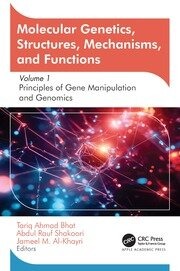
Molecular genetics, structures, mechanisms, and functions : Principles of gene manipulation and genomics ; Vol.1
Provides an overview of the future of genetic engineering and delves into the role of biotechnology and its applications in genetic engineering. It discusses the tools of recombinant technology, which have brought about revolution in our understanding of various complex biological phenomena. Chapters cover mutagenesis, construction, and sequencing of DNA libraries along with applications of genetic engineering for improving health, preventing genetic diseases, enhancing food resources, managing environmental bioremediation, and more. Topics include genetic engineering tools for restriction enzymes and vectors, gene and cell division, mutation detection and screening in plants, population genetics, sexuality in bacteria, and more. Several chapters focus on the tools of recombinant technology, such as restriction enzymes, vectors, etc., that have paved the way for creating organisms of choice and opened new horizons in the field of medicine, agriculture, and industry for human welfare.

Molecular genetics, structures, mechanisms, and functions : Applications and exploring the nucleus ; Vol.2
Continues the coverage of generic engineering, dealing with the concept of genes, their relationship with chromosomes, and their functional manifestation to the benefit of organisms at large and for human in particular. Topics include Mendel’s Laws of Inheritance, which explains the inheritance of traits visible through generations; , genome diversity and evolution genetic protein synthesis, recombination and evolution of DNA, transposable elements in genetics, chromosomal aberrations, and more. The volume also addresses genetic engineering in agricultural science for increased crop yields, to reduce costs for food or drug production, to reduce the need for pesticides, to enhance crop quality, etc.

Molecular Genetics of Recombination
Genetic recombination is an important process involved in shaping the genetic make up of progeny. Increasingly, it has become evident that recombination is a DNA repair pathway crucial during DNA replication in vegetatively growing cells.
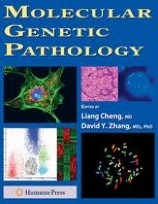
Molecular Genetic Pathology
Molecular Genetic Pathology presents up-to-date material containing fundamental information relevant to the clinical practice of molecular genetic pathology.
