



الصفحة 3
الصفحة 3

Concepts in pharmaceutical biotechnology and drug development
Provides comprehensive coverage of the development of new pharmaceuticals and the enhancement of existing ones. It offers a comprehensive understanding of pharmaceutical biotechnology, including its underlying principles and practical applications from an industrial standpoint. While introducing the roles and applications of biotechnology in drug design and development, the book describes how developments in other fields, like genomics, proteomics, and high-throughput screening, have facilitated the discovery of novel therapeutic targets and drug development methods. It included concepts that are essential to biotechnology and apply to protein therapies. And provides a thorough overview of the ways in which biotechnology influences drug development, production, and regulation, and is a valuable resource for those seeking to enhance their understanding in this area.
Computer-aided drug design
Computer-Aided Drug Design (CADD) is a comprehensive guide designed for both beginners and experienced users in CADD. Covers the fundamental principles and gradually delves into more advanced concepts and techniques, making it an invaluable resource to anyone interested in CADD. It begins by establishing a solid foundation, explaining the core concepts of CADD, the user interface and essential tools. It covers QSAR, molecular docking, homology modeling, virtual screening, pharmacophore modeling, ensuring that the reader can quickly become proficient in CADD. Provides in-depth insights into 3D modeling, rendering, and parametric design. The style of the book is simple, every topic begins from the very basics and explores advanced levels with clarity. Practical examples, step-by-step tutorials and hands-on exercises, are included for better understanding.

Computer Aided Pharmaceutics and Drug Delivery : An Application Guide for Students and Researchers of Pharmaceutical Sciences
Examines the role of computer-assisted techniques for discovering, designing, optimizing and manufacturing new, effective, and safe pharmaceutical formulations and drug delivery systems. The book discusses computational approaches, statistical modeling and molecular modeling for the development and safe delivery of drugs in humans. The application of concepts of QbD (Quality by Design), DoE (Design of Experiments), artificial intelligence and in silico pharmacokinetic assessment/simulation have been made a lot easier with the help of commercial software and expert systems. This title provides in-depth knowledge of such useful software with illustrations from the latest researches. The book also fills in the gap between pharmaceutics and molecular modeling at micro, meso and maro scale by covering topics such as advancements in computer-aided Drug Design (CADD), drug-polymer interactions in drug delivery systems, molecular modeling of nanoparticles and pharmaceutics/bioinformatics.

Computational methods for rational drug design
Covers the tools and techniques of drug design with applications to the discovery of small molecule-based therapeutics, detailing methodologies and practical applications and addressing the challenges of techniques like AI/ML and drug design for unknown receptor structures. Divided into 23 chapters, the contributors address various cutting-edge areas of therapeutic importance such as neurodegenerative disorders, cancer, multi-drug resistant bacterial infections, inflammatory diseases, and viral infections.

Computational drug discovery and design
Provides new and updated methods and techniques for identification of drug target, binding sites prediction, high- throughput virtual screening, lead discovery and optimization, conformational sampling, prediction of pharmacokinetic properties using computer-based methodologies. Chapters also focus on the application of the latest artificial intelligence technologies for computer aided drug discovery.

Computational Chemistry and Molecular Modeling : Principles and Applications
The gap between introductory level textbooks and highly specialized monographs is filled by this modern textbook. It provides in one comprehensive volume the in-depth theoretical background for molecular modeling and detailed descriptions of the applications in chemistry and related fields like drug design, molecular sciences, biomedical, polymer and materials engineering. Special chapters on basic mathematics and the use of respective software tools are included.
Computational biology in drug discovery and repurposing
Takes an in-depth look at the emerging and prospective field of computational biology and bioinformatics, which possesses the ability to analyze large accumulated biological data collected from sequence analysis of proteins and genes and cell population with an aim to make new predictions pertaining to drug discovery and new biology. The book explains the basic methodology associated with a bioinformatics and computational approach in drug designing. It then goes on to cover the implementation of computational programming, bioinformatics, pharmacophore modeling, biotechnological techniques, and pharmaceutical chemistry in designing drugs. The major advantage of intervention of computer language or programming is to cut down the number of steps and costs in the field of drug designing, reducing the repeating steps and saving time in screening the potent component for drug or vaccine designin

Clinical biochemistry and drug development : From fundamentals to output
Focuses on clinical biochemistry fundamentals, cell culture techniques, and drug discovery and development concepts. It deals with three different fields of clinical research: cell culture, clinical biochemistry, and drug discovery and development.
Checkpoint Responses in Cancer Therapy
This book’s distinguished panel of authors takes a close look at topics ranging from the major molecular players affecting DNA synthesis and the response to DNA damage to advances made in the identification of chemical compounds capable of inhibiting individual mitotic kinases. Illuminating and authoritative, Checkpoint Responses in Cancer Therapy offers a critical summary of findings for researchers in the pharmaceutical and biotechnology industries and a valuable resource for academic scientists in cancer research and the study of cell-cycle regulation, signal transduction and apoptosis.
Carbohydrate-based therapeutics
Explores new frontiers in carbohydrate-based therapeutic applications, utilizing a unique approach by providing a detailed background of diseases coupled with subsequent carbohydrate-based therapies. The link between chemistry and design of novel carbohydrate-based medicines is highlighted and a broad overview of all the potential applications of carbohydrates is given. Emphasis is laid on concepts used for carbohydrate drug design, structure– activity relationship, and impact on health and diseases. The text also discusses newer topics like nanoparticles, material science, and tissue generation.
Cancer drug resistance : methods and protocols
Discusses the latest techniques used to identify cancer drug resistance determinants at the molecular, cellular, and functional levels. Chapters in this book cover up-to-date topics including tumor-microenvironment cell co-culture methods and microfluidics systems; workflows for functional assessment of drug resistance in vitro and in vivo; quantitative techniques for identifying quiescent blood-flow circulating cells; and single-cell characterization methods, such as mass cytometry.
CADD and informatics in drug discovery
Updates knowledge on recent advances in computational and bioinformatics tools/techniques and their practical applications in modern drug design and discovery programme. Also it encompasses fundamental principles, advanced methodologies and applications of various CADD approaches including several cutting-edge areas / presenting recent developments covering ongoing trends in the field of computer-aided drug discovery. Having contributions by a global team of experts, the book is expected to be an ideal resource for drug discovery scientists, medicinal chemists, pharmacologists, toxicologists, phytochemists, biochemists, biologists, RandD personnel, researchers, students, teachers and those working in the field of drug discovery. It will fill the knowledge gaps that exist in the current CADD approaches and methodologies/ protocols being widely used in both academic and research practices. Further, a special focus on current status of various computational drug design approaches (SBDD, LBDD, De-novo drug design, Pharmacophore-based search), bioinformatics tools and databases, computational screening and modeling of phytochemicals/natural products, artificial intelligence and machine learning, and network pharmacology and system biology would certainly guide researchers, students or readers to conduct their research in the emerging area(s) of interest. It is also expected to be highly beneficial to different stakeholders working in the pharmaceutical and biotechnology industries (RandD), the academic as well as research sectors. .
Botanical drug products : Recent developments and market trends
Botanicals, which have been part of human food and medicine for thousands of years, are perceived as being safer than synthetic pharmaceuticals. The global botanical drug market was expected to reach $26.6 billion by 2017. In terms of FDA regulations, botanical drugs are no different from non-botanical products, having to meet the safety and effectiveness standards of a new drug in accordance. This book comprises a complete start-to-end process from drug-idea conception, to drug development process.
Biopharmaceutical drug design and development
Biopharmaceutical Drug Design and Development, Second Edition, updates the widely successful first edition, published in 1999. This new, expanded edition investigates the dozens of new biopharmaceutical drugs that have become available since the publication of the first edition. Among the drugs discussed are ones in the categories of monoclonal antibodies for in-vivo use, cytokines, growth factors, enzymes, immunomodulators, thrombolytics, and immonotherapies including vaccines. Additionally, the volume examines new and emerging technologies, such as bioinformatics, DNA microarrays, transgenics, therapeutic gene delivery, stem cells, nucleic acid-based therapeutics, and macromolecular drug delivery. Authors also study pharmacogenetics in the clinic and changes in biologic drug approval at the FDA. Biopharmaceutical Drug Design and Development, Second Edition, is a worthy sequel in the discussion on the dynamic, exciting field of biotechnology.

Biomarkers in drug discovery and development : A handbook of practice, application, and strategy
Discusses biomarker characterization and validation and applications throughout drug discovery and development. Explains where proper use of biomarkers can substantively impact drug development timelines and costs, enable selection of better compounds and reduce late stage attrition, and facilitate personalized medicine. Helps readers get a better understanding of biomarkers and how to use them, for example which are accepted by regulators and which still non-validated and exploratory. Updates developments in genomic sequencing, and application of large data sets into pre-clinical and clinical testing; and adds new material on data mining, economics, and decision making, personal genetic tools, and wearable monitoring. Includes case studies of biomarkers that have helped and hindered decision making
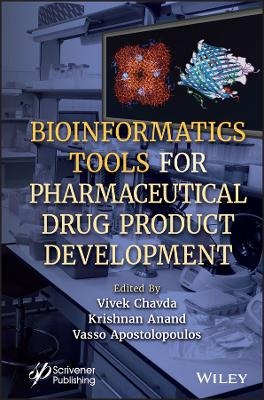
Bioinformatics tools for pharmaceutical drug product development
Presents the latest information on bioinformatics tools, artificial intelligence, machine learning, computational methods, protein interactions, peptide-based drug design, and omics technologies. And include bioinformatics tools for the pharmaceutical sector and the healthcare sector. Bioinformatics brings a new era in research to accelerate drug target and vaccine design development, improving validation approaches as well as facilitating and identifying side effects and predicting drug resistance. As such, this will aid in more successful drug candidates from discovery to clinical trials to the market, and most importantly make it a more cost-effective process overall.
Bioinformatics research and development ; 2nd International Conference, BIRD 2008 Vienna, Austria, July 7-9, 2008 Proceedings
This book constitutes the refereed proceedings of the Second International Bioinformatics Research and Development Conference, BIRD 2008, held in Vienna, Austria in July 2008.
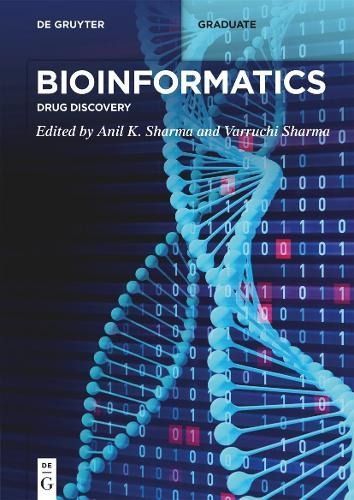
Bioinformatics drug discovery
Quantitative tools are becoming increasingly important in order to understand complex cascade of signal transduction events, pathways or biochemical reactions. The book showcases how computational techniques and algorithms are applied to biological data analysis, interpretation, and modelling. It covers applications in drug design and discovery, immune systems, phylogenetic analysis and protein structures.
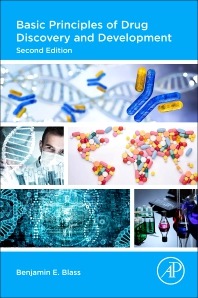
Basic principles of drug discovery and development ; 2nd ed.
Presents the multifaceted process of identifying a new drug in the modern era, which requires a multidisciplinary team approach with input from medicinal chemists, biologists, pharmacologists, drug metabolism experts, toxicologists, clinicians, and a host of experts from numerous additional fields. Enabling technologies such as high throughput screening, structure-based drug design, molecular modeling, pharmaceutical profiling, and translational medicine are critical to the successful development of marketable therapeutics. Given the wide range of disciplines and techniques that are required for cutting edge drug discovery and development, a scientist must master their own fields as well as have a fundamental understanding of their collaborator’s fields.

Aulton's pharmaceutics : The design and manufacture of medicines
A comprehensive textbook covering the design of dosage forms and all aspects of drug delivery systems. Pharmaceutics in its broadest sense is the 'art of the apothecary' or, in simple terms, pharmaceutical preparations. It remains a diverse subject in the pharmacy curriculum, encompassing design of drugs, their manufacture and the elimination of micro-organisms from the products.
