



الصفحة 3
الصفحة 3

Medical genetics and law : An international perspective
Essential resource to understanding the intersection of medical genetics and law. In a unique approach, it provides an overview on the biological principles of DNA basics and genetic inheritance linking the knowledge with the ethical and legal challenges presented by modern developments in genetics.

Medical biotechnology, biopharmaceutics, forensic : science and bioinformatics
Covers a range of topics on exploiting Nigeria’s mega biodiversity for food security and health; DNA forensic science and its applications; medical biotechnology and biopharmaceutics; medicinal and underutilized plants; impact and mitigation of antibiotic resistance; bioinformatics applications; medical insect biotechnology; etc. The book will be useful reference material for the scientists and researchers working in the fields of nutraceuticals, molecular diagnostics and DNA forensics, biopharmaceuticals and medical biotechnology, nanotechnology, antimicrobials from indigenous plant species, bioinformatics, etc.

Mathematics and Technology
Mathematics and Technology presents technological applications of mathematics making use of elegant mathematical concepts. The selected subjects consist of: public key cryptography, error correcting codes, the global positioning system (GPS) and cartography, image compression using fractals and the JPEG format, digital recording, robot movement, DNA computing, Google's PageRank algorithm, savings and loans, gamma ray surgery and random number generators. The authors highlight how mathematical modeling, together with the power of mathematical tools, have been crucial for innovation in technology. The exposition is clear, straightforward, motivated by excellent examples, and user-friendly. Numerous exercises at the end of every chapter reinforce the material. An engaging quality is the various historical notes accompanying the mathematical development.

Ionic Soft Matter : Modern Trends in Theory and Applications; Proceedings of the NATO Advanced Research Workshop on Ionic Soft Matter: Modern Trends in Theory and Application Lviv, Ukraine, 14-17 April, 2004
Consists of reviews of the experimental, theoretical and simulation studies on ionic criticality, polyelectrolytes, proton transport in fuel cell membranes, and the design of DNA arrays. This book deals with discussions of the fundamental and applied problems of important phenomena such as ion association, ion adsorption, ion solvation.

Introduzione alla medicina molecolare = Introduction to molecular medicine
An indispensable guide for understanding a young science with rapid and promising developments. Now in its third completely revised edition, it presents in a concise yet comprehensive way the scientific and technological principles of this discipline and provides, in widely accessible language, the basic conceptual tools for understanding the human genome, gene expression and regulation, the various aspects of genetic engineering that allow for the manipulation of DNA, and human cloning.

Introduction to Ion Beam Biotechnology
It presents treatment of modern ion beam biotechnology and with respect to applications of ion beam bombardment of living cellular material in the hybrid field of ion beam physics and biology.Key Topics include: – Ion beam formation – Ion implantation fundamentals – Interaction between energetic ions and biological organisms – Reaction processes of ion implanted biological small molecules – Damage and repair of ion-bombarded DNA – Cell damage due to ion bombardment – Biological effects of ion implantation – Fundamentals of ion-bombardment-induced genetic variation – Ion beam mutation breeding of crops – Ion beam mutation breeding of microbes – Ion beam induced gene transfer – Ion beam induced synthesis of organic molecules – Single-ion bombardment mutation of cells

Introduction to Epigenetics
This textbook leads the reader from basic concepts of chromatin structure and function and RNA mechanisms to the understanding of epigenetics, imprinting, regeneration and reprogramming. The textbook treats epigenetic phenomena in animals, as well as plants.

Introduction to biologic and biosimilar product development and analysis
Gives a concise introduction to development and analysis of pharmaceutical biologics for those in the pharmaceutical industry who are switching focus from small molecules to biologics processing, analysis, and delivery. In order to maintain a limited focus, Introduction to Biologic and Biosimilar Product Development and Analysis, will deal only with peptides, proteins and monoclonal antibodies.

Introducing Molecular Electronics
This volume presents a summary of our current understanding of molecular electronics combined with selected state-of-the-art results at a level accessible to the advanced undergraduate or novice postgraduate. This single book comprises the basic knowledge of both theory and experiment underpinning this rapidly growing field. Concepts and techniques such as density functional theory and charge transport, break junctions and scanning probe microscopy are introduced step-by-step and are subsequently used in specific examples. The text addresses a wide range of systems including molecular junctions made of single-molecules, self-assembled monolayers, carbon nanotubes and DNA.

Intraspecific Genetic Diversity : Monitoring, Conservation, and Management
Population and evolutionary genetics have been quickly developing ?elds of biological research over the past decades. This book compiles our current understanding of genetic processes in natural populations. In addition, the book provides the author’s original ideas and concepts based on the data obtained by himself and his close coworkers. The author introduces his pioneering concept of population genetic stability,and much of thebook is concerned with the factors and conditions of such stability. Why does genetic stability matter so much? Altukhov argues that the sustainable use of natural resources, including genetic resources of popu- tions, critically depends on the maintenance of their stability. The preser- tion of well-adapted genetic characteristics from one generation to the next is essential for this stability. Traditionally, population genetics has been - cusedonevolution andthe role of evolutionary factorsinshapinggenetic structures of populations. While the idea of a population as a dynamic unit of evolution has been widely accepted, the signi?cance of genetic stability and its implications for the long-term survival of populations and species have not been fully appreciated.

Intelligent information processing and web mining ; Proceedings of the International IIS : IIPWM´05 Conference held in Gdansk, Poland, June 13-16, 2005
This edited book contains articles accepted for presentation during the conference "Intelligent Information Systems 2005 (IIS 2005) - New Trends in Intelligent Information Processing and Web Mining" held in Gdansk, Poland, on June 13-16, 2005.

Intelligent Computing Everywhere
Intelligent Computing Everywhere investigates the relevance and relationship artificial intelligence maintains with "modern strands of computing" i.e. pervasive computing and ambient intelligence, bioinformatics, neuroinformatics, computing and the mind, non-classical computing and novel computing models, as well as DNA computing and quantum computing.

Intelligent Algorithms in Ambient and Biomedical Computing
The rapid growth in electronic systems in the past decade has boosted research in the area of computational intelligence. As it has become increasingly easy to generate, collect, transport, process, and store huge amounts of data, the role of intelligent algorithms has become prominent in order to visualize, manipulate, retrieve, and interpret the data. For instance, intelligent search techniques have been developed to search for relevant items in huge collections of web pages, and data mining and interpretation techniques play a very important role in making sense out of huge amounts of biomolecular measurements. As a result, the added value of many modern systems is no longer determined by hardware only, but increasingly by the intelligent software that supports and facilitates the user in realizing his or her objectives.

Integrated Management of Diseases Caused by Fungi, Phytoplasma and Bacteria
This book is about stone fruit and apple diseases, grapevine and fruit crops phytoplasma, Phytophthora on citrus, chestnut diseases, esca complex on grapevine and Rosellinia necatrix root rot. Includes models for potato late blight management and management of bacteria and DNA fingerprinting.

Integrated Biochips for DNA Analysis
The objective of this book is to provide up-to-date coverage of some of the emerging developments in the field of integrated DNA biochips. It will prove a useful source of information for researchers in the field and for those who are just entering the field of biochip research.
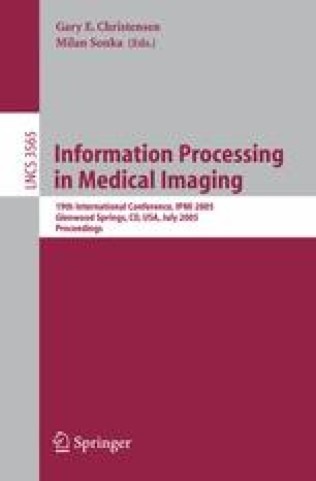
Information processing in medical imaging ; 19th International conference, IPMI 2005, Glenwood Springs, CO, USA, July 10-15, 2005, Proceedings
The nineteenth biennial International Conference on Information Processing in Medical Imaging (IPMI) was held July 11–15, 2005 in Glenwood Springs, CO, USA on the Spring Valley campus of the Colorado Mountain College. Following the successful meeting in beautiful Ambleside in England, this year’s conference addressed important recent developments in a broad range of topics related to the acquisition, analysis and application of biomedical images. Interest in IPMI has been steadily growing over the last decade. This is p- tially due to the increased number of researchers entering the ?eld of medical imagingasaresultoftheWhitakerFoundationandtherecentlyformedNational Institute of Biomedical Imaging and Bioengineering. This year, there were 245 full manuscripts submitted to the conference which was twice the number s- mitted in 2003 and almost four times the number of submissions in 2001. Of these papers, 27 were accepted as oral presentations, and 36 excellent subm- sions that could not be accommodated as oral presentations were presented as posters. Selection of the papers for presentation was a di?cult task as we were unable to accommodate many of the excellent papers submitted this year. All accepted manuscripts were allocated 12 pages in these proceedings.

Immunogenetics of Autoimmune Disease
Utoimmunity is the downstream outcome of a rather extensive and coordinated series of events that include loss of self-tolerance, peripheral lymphocyte Aactivation, disruption of the blood-systems barriers, cellular infiltration into the target organs and local inflammation. Cytokines, adhesion molecules, growth factors, antibodies, and other molecules induce and regulate critical cell functions that perpetuate inflammation, leading to tissue injury and clinical phenotype. The nature and intensity of this response as well as the physiological ability to restore homeostasis are to a large extent conditioned by the unique amino acid sequences that define allelic variants on each of the numerous participating mol ecules. Therefore, the coding genes in their germline configuration play a primary role in determining who is at risk for developing such disorders, how the disease progresses, and how someone responds to therapy. Although genetic components in these diseases are clearly present, the lack of obvious and homogeneous modes of transmission has slowed progress by prevent ing the full exploitation of classical genetic epidemiologic techniques. Furthermore, autoimmune diseases are characterized by modest disease risk heritability and m- tifaceted interactions with environmental influences. Yet, several recent discoveries have dramatically changed our ability to examine genetic variation as it relates to human disease. In addition to the development of large-scale laboratory methods and tools to efficiently recognize and catalog DNA diversity, over the past few years there has been real progress in the application of new analytical and data-manage ment approaches

Immune mediators in cancer : Methods and protocols
Provides a comprehensive collection of classic and cutting-edge methodologies as well as bioinformatics and genome-editing approaches that are used to quantify immune mediators and analyze their function and biological activity in cancer cells and tissues. Beginning with a section on the detection of immune mediators in samples, the volume continues with sections covering cytokine bioassays, the expression and regulation of immune mediators in cancer cells, and methods to navigate the enormous datasets created by modern DNA and RNA sequencing and proteomic technology. Written in the highly successful Methods in Molecular Biology series format, chapters include introductions to their respective topics, lists of the necessary materials and reagents, step-by-step, readily reproducible laboratory protocols, and tips on troubleshooting and avoiding known pitfalls.

Immobilisation of DNA on Chips II
DNA chips are gaining increasing importance in different fields ranging from medicine to analytical chemistry with applications in the latter in food safety and food quality issues as well as in environmental protection. In the medical field, DNA chips are frequently used in arrays for gene expression studies to identify diseased cells due to over- or under-expression of certain genes, to follow the response of drug treatments, or to grade cancers), for genotyping of individuals, for the detection of single nucleotide polymorphisms, point mutations, and short tandem reports, or moreover for genome and transcriptome analyses in the quasi post-genomic sequencing era. Furthermore, due to some unique properties of DNA molecules, self-assembled layers of DNA are promising candidates in the field of molecular electronics.the main focus of these two volumes is on the immobilization chemistry, considering the various aspects of the immobilization process itself, since different types of nucleic acids, support materials, surface activation chemistries and patterning tools are of key concern.

Immobilisation of DNA on Chips I
the main focus of these two volumes is on the immobilization chemistry, considering the various aspects of the immobilization process itself, since different types of nucleic acids, support materials, surface activation chemistries and patterning tools are of key concern.the focus of the major part of the chapters lies on the coupling chemistry used for DNA immobilization. Successful immobilization techniques for DNA appear to either involve a multi-site attachment of DNA (preferentially by electrochemical and/or physical adsorption) or a single-point attachment of DNA (mainly by surface activation and covalent immobilization or (strept)avidin-biotin linkage).
