



الصفحة 3
الصفحة 3

Design build with the scarcity and creativity studio
Scarcity and Creativity Studio has developed a teaching method which reaffirms a commitment to architecture as a service to society, questions the idea of the individual creator in favour of collaborative design, and challenges the traditional master-student relationship. This book documents the projects and, in so doing, explains the practices and pedagogic methods which the studio has developed in relation to architecture education in general and design build education in particular. Aimed at students, teachers, and professionals who are exploring the possibilities of design build, the 16 built projects are fully documented in text, drawings, and photos and can be used as both inspiration and references. Projects are based in Norway, Finland, Chile, Ecuador (Galápagos), Kenya, South Africa, China, Argentina, and Lebanon.

Design Added Value : How Design Increases Value for Architects and Engineers
Enables architects, engineers, contractors and owner-clients of buildings to benefit from extraordinary design and construction features. It explains the rationale and motivation for D-AV methodology, outlines and illustrates this methodology with examples, provides complete and detailed examples of how the key analysis techniques work through historical case studies, and describes specific methods used in application of the D-AV methodology, such as Bayesian statistics, cost benefit analysis, pairwise comparison techniques, cognitive walkthroughs, and optimization.

Demystifying Internet of Things Security : Successful IoT Device/Edge and Platform Security Deployment
The IoT presents unique challenges in implementing security and Intel has both CPU and Isolated Security Engine capabilities to simplify it. This book explores the challenges to secure these devices to make them immune to different threats originating from within and outside the network. The requirements and robustness rules to protect the assets vary greatly and there is no single blanket solution approach to implement security.

David Chipperfield Architects = Architektur und Baudetails: Architecture and Construction Details
Supplemented by three current projects. It gives a glimpse behind the scenes, describes processes and provides plenty of building details.

Creative Practice Inquiry in Architecture
This collection introduces, illustrates, and advances fresh ideas about creative practice inquiry in architecture. It concerns architectural knowledge: how architects can use their distinctive skills, habits, and values to advance professional insight, and how such insights can be extended to make wider contributions to society, culture, and scholarship. It shows how architectural ways of knowing and working can be mobilised as tools for research.

Cranbrook Architecture : A legacy of latitude
The renowned Cranbrook Academy of Art near Detroit, Michigan, has been described as the epicentre of American Modernism. When it opened in 1932 it combined a stunning Eliel Saarinen-designed campus with a radically open educational philosophy to attract and produce some of the most influential artists, designers and architects in US history, including Charles and Ray Eames, Fumihiko Maki, Florence Knoll and Edmund Bacon. Often compared to other experimental schools such as the Bauhaus, Black Mountain College and Taliesin, Cranbrook’s sustained purpose has been advancing a wide, interdisciplinary latitude and self-directed design research to expand and diversify its approaches to architectural practice.
Construction Materials Manual
Until now, the few existing systematic texts on construction materials have primarily been directed at building engineers. An overview for architects, which also considers the importance of construction materials in the sensory perception of architecture—including tactile qualities, smell, color, and surface structure—has not been available. aims equally at the questions and perspectives of architects and building engineers, it will bring together all of the above-mentioned viewpoints. It addresses fundamental questions of sustainability, including life-span, environmental impact, and material cycles, while also presenting material innovations. All of the principal conventional and innovative construction materials are comprehensively documented, with attention to their production, manufacture, fabrication, treatment, surfaces, connections, and characteristics.

Construction audit: building a solid foundation
Provides real-life solutions to common problems in construction. Introduces project management techniques; while not concentrating on a special methodology, the book builds on project management fundamentals. Understanding this will help enable the reader to talk to project managers more effectively.

Conceptual structural design : Bridging the gap between architects and engineers
Aims to 'bridge the gap' between engineers' and architects' understanding of structural form. It aims to inspire designers to develop innovative and viable structural forms. This book is presented in two parts. The first part is theoretical and investigates source of inspiration for developing structural form; learning from natural forms; applying our own intuition; seeking inspiration from precedents; applying understanding of structural principles; and developing design through physical models.

Computer aided architectural design futures 2005 ; Proceedings of the 11th International CAAD futures Conference held at the Vienna University of Technology, Vienna, Austria, on June 20-22, 2005
MARTENS Bob and BROWN Andre Co-conference Chairs, CAAD Futures 2005 Computer Aided Architectural Design is a particularly dynamic field that is developing through the actions of architects, software developers, researchers, technologists, users, and society alike. CAAD tools in the architectural office are no longer prominent outsiders, but have become ubiquitous tools for all professionals in the design disciplines. At the same time, techniques and tools from other fields and uses, are entering the field of architectural design. This is exemplified by the tendency to speak of Information and Communication Technology as a field in which CAAD is embedded. Exciting new combinations are possible for those, who are firmly grounded in an understanding of architectural design and who have a clear vision of the potential use of ICT. CAAD Futures 2005 called for innovative and original papers in the field of Computer Aided Architectural Design, that present rigorous, high-quality research and development work. Papers should point towards the future, but be based on a thorough understanding of the past and present.

Color Drawing : Design Drawing Skills and Techniques for Architects, Landscape Architects, and Interior Designers
Ultimate resource for professionals and students who need to develop and communicate design ideas with clear, attractive, impressive color drawings. Update with over 100 pages, contains an entirely new section focused on state-of-the-art digital techniques to greatly enhance the sophistication of presentation drawings, and offers new and innovative ideas for the reproduction and distribution of finished drawings.

Collage and architecture
This new edition includes: A stronger focus on contemporary practices, including digital methods; New designers and architects, including Marshall Brown, WAI Architecture Think Tank, and Tatiana Bilbao, bringing their methods and work to life; An expanded global and diverse perspective of architecture as collage; Collage is an important instrument for analysis and design. Through its 261 color images, this book shows how this versatile medium can be adapted and transformed in your own work.

Materials encyclopedia for creatives
Materials and the myriad technologies that have been developed to manipulate them are of essential relevance to product designers, architects, artists and stylists, as they represent the starting point for every product and every architectural work. The book is an encyclopaedic compendium of around 1,000 terms in this field, from aerogel to marble to zirconium. It features traditional and frequently used materials, as well as new and unexpected ones. Their respective advantages and disadvantages are precisely described.
Manual of multi-storey timber construction
Wood is suitable for use in multi-storey building construction with barely any restrictions. This is new and requires creative rethinking of tried and tested practices in wood construction: classical categories can be replaced by mixed construction methods as necessary within a project, which yields completely new possibilities in designing wood structures. The Manual provides architects, engineers and wood specialists with the essential expertise on the new systematic and construction methodology, from the design to prefabrication to the implementation on site. It lays the grounds for mutual understanding among everyone involved in the project, to facilitate the necessary cooperation in the integral planning and construction process
Manual of Multistorey Timber Construction
Wood is suitable for use in multi-storey building construction with barely any restrictions. This is new and requires creative rethinking of tried and tested practices in wood construction: classical categories can be replaced by mixed construction methods as necessary within a project, which yields completely new possibilities in designing wood structures. The Manual provides architects, engineers and wood specialists with the essential expertise on the new systematic and construction methodology, from the design to prefabrication to the implementation on site.
Mack Scogin Merrill Elam : Knowlton Hall
Mack Scogin Merrill Elam Architects/Knowlton Hall provides a comprehensive look at this impressive new work using sketches, models, renderings, working drawings, and photographs. it is accompanied by commentaries from the architects and critics who explore both the technical and contextual elements of the work
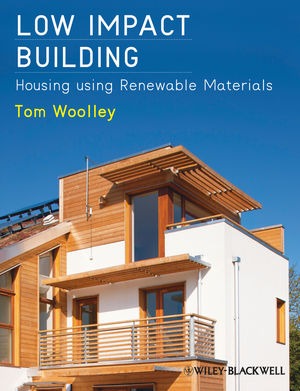
Low impact building : Housing using renewable materials
Guides to the designs, technologies and materials that really make green buildings work will help architects, specifiers and clients make informed choices, based on reliable technical information. Low Impact Building: Housing using Renewable Materials is about changing the way we build houses to reduce their 'carbon' footprint and to minimise environmental damage. One of the ways this can be done is by reducing the energy and environmental impact of the materials and resources used to construct buildings by choosing alternative products and systems. In particular, we need to recognise the potential for using natural and renewable construction materials as a way to reduce both carbon emissions but also build in a more benign and healthy way.
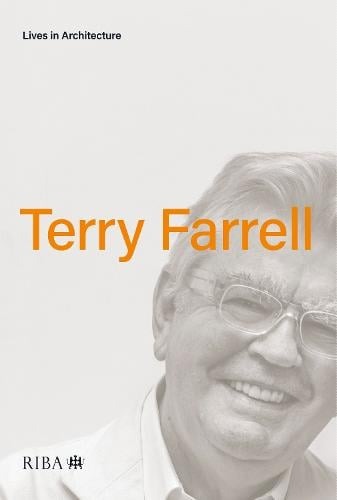
Lives in Architecture : Terry Farrell
Offering a compelling personal account of his life in architecture as an influential postmodern designer, architect-planner and principal of a leading global practice, this autobiography includes anecdotes and invaluable insights into Terry’s life and work from the 1940s to the present day. An inside view of what it’s like to be an architect at the top of his profession, this book also highlights what it takes to develop a successful international practice. Offers the inside view of what it is like to be an architect at the top of his profession, including insights into the defining projects and watershed moments of Sir Terry Farrell's career Provides the inside story on some of Terry Farrell’s most significant buildings and projects, including Charing Cross Station, The MI6 Building, Alban Gate and Beijing South Railway Station. Abundantly illustrated with over 80 images, including personal photos and images of key buildings.
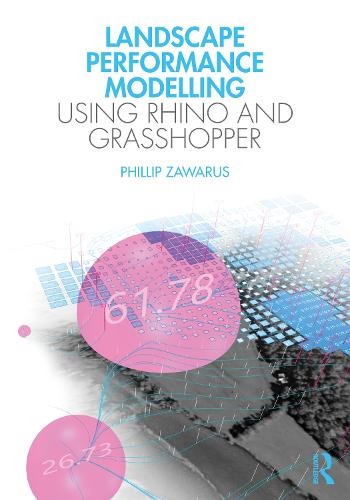
Landscape Performance Modeling Using Rhino and Grasshopper
A guidebook for landscape architects to learn the fundamental practices and use of the computational software Rhino 3D and the plugin Grasshopper for parametric modeling, landscape inventory, and performative analysis. This process visually connects intangible and abstract information with physical and spatial relationships to signify the impact ecological, climate, and cultural factors have on landscape performance and decision making.
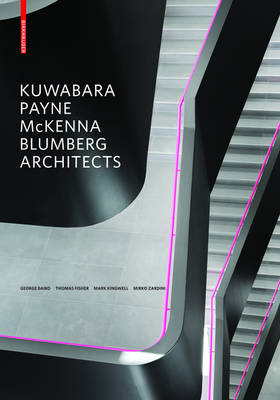
Kuwabara Payne McKenna Blumberg Architects
Kuwabara Payne McKenna Blumberg Architects, founded in 1987 in Toronto, is one of most innovative architectural offi ces in North America today. They have made a name for themselves both for their integrated design process embodying collaboration with experts, clients and future users as well as the diversity of their aesthetically refined and finely detailed designs. The work ranges from cultural institutions such as the Toronto International Film Festival and Orchestra Hall in Minneapolis to ecologically innovative concepts such as Manitoba Hydro Place in Winnipeg, developed with leading climate engineers Transsolar of Stuttgart.
