



الصفحة 3
الصفحة 3

Hyaluronic Acid
Hyaluronic acid, also known as hyaluronan, is a clear, gooey substance that is naturally produced by your body, Hyaluronic acid is generally very safe to use, with few reported side effects. The largest amounts of it are found in your skin, connective tissue and eyes, and Hyaluronic acid has a variety of uses. Many people take it as a supplement, but it’s also used in topical serums, eye drops and injections, and the almost indications are Promotes Healthier, More Supple Skin, accelerate wound healing, Relieve Joint Pain by Keeping Bones Well Lubricated, reduce symptoms of acid reflux, Relieve Dry Eye and Discomfort, Preserve Bone Strength and Prevent Bladder Pain.
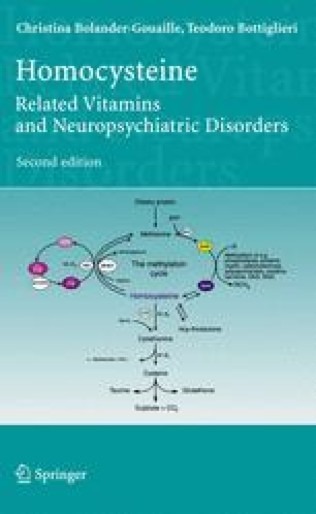
Homocysteine : Related Vitamins and Neuropsychiatric Disorders
There is an increasing interest in the connection between the homocysteine metabolism and neuropsychiatric disease with a steeply increasing number of publications. In particular, the association between homocysteine metabolism and cognitive decline/dementia attracts much interest. If simple, non-toxic homocysteine-lowering treatment with vitamins can reduce the incidence of, or delay the onset of dementia, it would have an enormous impact in societies with a rapidly increasing number of elderly at risk for dementia. This book summarises the research within the neuropsychiatric field, but also gives an overview of the underlying biochemistry and of diagnostic aspects.

Homocysteine
Homocysteine is a non-proteinogenic α-amino acid. It is a homologue of the amino acid cysteine, differing by an additional methylene bridge (-CH2-). It is biosynthesized from methionine by the removal of its terminal methyl group. In the body, Homocysteine (HCY) can be recycled into methionine or converted into cysteine with the aid of certain B-vitamins. A high level of Homocysteine in the blood (hyperhomocysteinemia) makes a person more prone to endothelial cell injury, which leads to inflammation in the blood vessels, which in turn may lead to atherogenesis, which can result in ischemic injury. Therefore, hyperhomocysteinemia is a possible risk factor for coronary artery disease (CAD). Coronary artery disease occurs when an atherosclerotic plaque blocks blood flow to the coronary arteries, which supply the heart with oxygenated blood.

High value fermentation products ; Vol.1 : Human health
This book describes relevant aspects of industrial-scale fermentation, an expanding area of activity, which already generates commercial values of over one third of a trillion US dollars annually, and which will most likely radically change the way we produce chemicals in the long-term future. From biofuels and bulk amino acids to monoclonal antibodies and stem cells, they all rely on mass suspension cultivation of cells in stirred bioreactors, which is the most widely used and versatile way to produce.

Heterogeneous Enantioselective Hydrogenation : Theory and Practice
The book looks at the first relatively ineffective catalysts right through to modern highly effective enantioselective catalytic systems, comparable in their efficiency to chiral metal complexes and enzymatic systems. The book begins with a summary of the first work on heterogeneous metal catalysts, which showed only the principal possibilities of enantioselective reactions. The book then elaborates on metal catalysts which have enantioselectivities close to 100%. Finally, the book describes the practical utilization of chiral catalytic systems in processes of hydrogenation. The a - and b -hydroxy carboxylic acid esters produced are precursors for manufacturing many synthones used for medicines as well as for monomers used for biodegradable polyesters, both of which have important practical applications. The book summarizes more than 800 scientific papers in the field of enantioselective catalytic hydrogenation reactions, mainly those using heterogeneous metal catalysts. It provides detailed explanations of special techniques for the preparation of effective dissymmetric catalysts which provide highly efficient catalytic systems.

Heterocyclic Polymethine Dyes : Synthesis, Properties and Applications
Heterocyclic chemistry is the biggest branch of chemistry covering two-thirds of the chemical literature and this book covers the hot topics of frontier research summarized by reputed scientists in the field.

Handbook of plant and animal toxins in food : Occurrence, toxicity, and prevention
Focuses on various selected toxins in foods derived from plants as well as animals. The prominent plant toxins include solanine and chaconine, mushroom toxins, phytates, tannins, oxalates, goitrogens, gossypol, phytohemagglutinins, erucic acid, saponins, cyanogenic glycosides, enzyme inhibitors, BOAA (lathyrogens), toxic amino acids and toxic fatty acids. The prominent animal toxins covered in the book include various seafood toxins, shellfish toxins and biogenic amines. Presents complete information about a plethora of toxins Provides quick and easy access to data on major plant and animal toxins Covers distribution of toxins in the plant and animal kingdom Provides comprehensive information on chemistry, safety and precautions of each toxin

Handbook of Pharmaceutical Excipients
Recognised as the world’s most authoritative source of information on pharmaceutical excipients. It provides you with a one stop resource when researching an excipient for use. The 400+ monographs are also thoroughly cross referenced and indexed to allow their identification by chemical, non proprietary or trade names. Content include: - Over 420 fully referenced excipient monographs, many including IR, Raman, and NIR spectra / 13 new monographs including several amino acids and hydrated silicon dioxide / 250 existing monographs reviewed / New chapters include excipient selection for orally inhaled and injectable formulations

Handbook of neurochemistry and molecular neurobiology : Amino acids and peptides in the nervous system
It is our belief that this volume of the Handbook of Neurochemistry and Molecular Neurobiology provides an excellent review of the tremendous advances of the past decades in the neurochemical and molecular biological aspects of cerebral ischemia. It is hoped that these advances will provide an impetus for basic scientists and clinicians to further their translational research and to promote the insights for development of therapeutic interventions for stroke.

Global Price Fixing
The book describes and analyzes the formation, operation, and impacts of modern global cartels. It provides a broad picture of the economics, competition law and history of international price fixing. A deeper understanding of the phenomenon is afforded by intensive case studies of collusion in the markets for lysine, citric acid, and vitamins. Particular attention is given to the economic injuries sustained by the cartels' customers. The author assesses whether antitrust enforcement by the European Union, the United States, and other countries is capable of deterring cartels in the foreseeable future.

Ghrelin more than hunger hormone
Ghrelin is a stomach hormone that acts as an endogenous ligand of orphan G-protein-coupled receptor. Ghrelin is a 28-amino acid peptide existing in two major forms: n-octanoyl-modified ghrelin, which possesses an n-octanoyl modification on serine-3 and des-acyl ghrelin. Fatty acid modification of ghrelin is essential for ghrelin-induced growth hormone release from the pituitary and appetite stimulation. This acyl-modification of ghrelin is catalysed by ghrelin-O- acyl transferase recently identified.

Geological Approaches to Coral Reef Ecology
By reconstructing the ecological history of coral reefs, the authors are able to evaluate whether or not recent, dramatic changes to reef ecosystems are novel events or part of a long-term trend or cycle. The contributions examine the interacting causes of change, which include hurricane damage, regional outbreaks of coral-consuming predators, disease epidemics, sea-level rise, nutrient loading, global warming and acidification of the oceans. Crucial predictions about the future of coral reefs lead to practical strategies for the successful restoration and management of reef ecosystems.

Gastroesophagal reflux disease (GERD)
Gastroesophageal reflux disease (GERD) is a common disease with a high prevalence worldwide and a great socioeconomic burden. GERD is a multifactorial disease in which anatomical and functional factors both play a pathogenetic role. The disease can manifest in various symptoms which can be grouped into typical, atypical and extra-esophageal symptoms. The pathophysiology of GERD is complex and not completely understood. An abnormal LES pressure and increased reflux during transient LES relaxations are believed to be key etiologic factors. Prolonged exposure of the esophagus to acid is another. Heartburn and acid regurgitation are the most common symptoms of GERD, although pathologic reflux can result in a wide variety of clinical presentations.

Gastric ulcers the cases and treatment
A gastric ulcer also known as stomach ulcer is an excoriated area of stomach caused principally by the digestive action of gastric juice Secretion in many ways the most common reasons are the taking non steroid anti-inflammatory drugs (NSAID) or an infection with Helicobacter pylori bacteria. It used to be Thought that stress or certain foods or drinking alcohol and smoking tobacco might cause stomach ulcer but in less cases. stomach ulcer can affect people of any age, including children, but mostly occur in people aged 50 or over. the common symptom is the pain in stomach and nausea with or without vomiting. the diagnosis through endoscopy is the best method to be sure about ulcer. the treatment of ulcer according to the reasons of ulcer is caused bacteria or not gastric ulcer It occurs in 80% of cases with the level of curvature The little one, especially the angle and antra, and effect men and women are the same.

Fundamentals of Protein Structure and Function
This book serves as an introduction to the fundamentals of protein structure and function. Starting with their make up from simple building blocks called amino acids, the 3-dimensional structure of proteins is explained. This is followed by an introduction into enzymology and modern concepts of enzyme kinetics, taking into account the physiological and medical significance of this often neglected topic.

Foundations of Intelligent Systems ; Vol. 3488 ; 15th International Symposium ISMIS 2005, Saratoga Springs, NY, USA, May 25-28, 2005, Proceedings
This volume contains the papers selected for presentation at the 15th International S- posiumonMethodologiesforIntelligentSystems, ISMIS2005, heldinSaratogaSprings, NewYork,25-28May,2005. ThesymposiumwasorganizedbySUNYatAlbany. Itwas sponsored by the Army Research Of?ce and by several units of the University at Albany including its Division for Research, College of Arts and Sciences, Department of C- puter Science, and Institute for Informatics, Logics, and Security Studies (formerly the Institute for Programming and Logics). The Program Committee selected the following major areas for ISMIS 2005: intelligent information systems, knowledge discovery and data mining, knowledge - formation and integration, knowledge representation, logic for arti?cial intelligence, soft computing, Web intelligence, Web services, and papers dealing with applications of intelligent systems in complex/novel domains. The contributed papers were selected from almost 200 full draft papers by the Program Committee members.

Foundations of Intelligent Systems ; 13th International Symposium, ISMIS 2002, Lyon, France, June 27-29, 2002. Proceedings
This volume contains the papers selected for presentation at the 13th International Symposium on Methodologies for Intelligent Systems ISMIS 2002, held in Lyon, France, 27-29 June, 2002. The symposium was organized by the UniversitØ ClaudThe program committee selected the following major areas for ISMIS 2002: Intelligent Multimedia, Intelligent Information Retrieval, Intelligent Information Systems, Knowledge Representation and Integration, Learning and Knowledge Discovery, Logic for Artificial Intelligence, Methodologies (modeling, design, validation, performance evaluation), and Soft Computing.

Forces, Growth and Form in Soft Condensed Matter : At the Interface between Physics and Biology
This volume comprises the proceedings of a NATO Advanced Study Institute held at Geilo, Norway, 24 March - 3 April 2003, the seventeenth ASI in a series held every two years since 1971. The objective of this ASI was to identify and discuss areas where synergism between modern physics, soft condensed matter and biology might be most fruitful. The main pedagogical approach was to have lecturers focussing on basic understanding of important aspects of the relative role of the various interaction- electrostatic, hydrophobic, steric, conformational, van der Waals etc. Soft condensed matter and the connection between physics and biology have been the themes of several earlier Geilo Schools. A return to these subjects thus allowed a fresh look and a possibility for defining new directions for research. Examples of soft materials, which were discussed at this ASI, included colloidal dispersions, gels, biopolymers and charged polymer solutions, polyelectrolytes, protein/membrane complexes, nucleic acids and their complexes. Indeed, most forms of condensed matter are soft and these substances are composed of aggregates and macromolecules, with interactions that are too weak and complex to form crystals spontaneously. A characteristic feature is that small external forces, slight perturbations in temperature, pressure or concentration, can all be enough to induce significant structural changes. Thermal fluctuations are almost by definition strong in soft materials and entropy is a predominant determinant of structure, so that disorder, slow dynamics and plastic deformation are the rule. Hence the phrase ‘soft condensed matter’ has been coined.

Fatty acids
Fatty acid metabolism, including the de novo synthesis, uptake, oxidation, and derivation of fatty acids, plays several important roles at cellular and organ levels. Recent studies have identified characteristic changes in fatty acid metabolism in idiopathic pulmonary fibrosis (IPF) lungs, which implicates its dysregulation in the pathogenesis of this disorder. Here, we review the evidence for how fatty acid metabolism contributes to the development of pulmonary fibrosis, focusing on the profibrotic processes associated with specific types of lung cells, including epithelial cells, macrophages, and fibroblasts. We also summarize the potential therapeutics that target this metabolic pathway in treating IPF.

European Oncology Leaders : The CancerFutures Collection 2001-2004
CancerFutures was launched in 2001 with the aim of increasing knowledge about the complex world of cancer care through people and facts. Cover Story and Masterpiece are two key sections of the magazine that have featured in-depth interviews with some of Europe’s most influential oncology leaders – people who have been pioneers of the art and science of oncology over the past 30 years. These interviews comprise a unique collection of stories that give insight into the many personal and professional challenges these leaders have faced in building their careers and pushing forward the boundaries of oncology practice. The European School of Oncology is pleased to launch the CancerFutures Collection which will be of interest to all members of the European oncology community, both today and in the future. This collection acknowledges the tremendous contribution that these leaders have made to cancer care and pays tribute to their dedication and drive. It will provide encouragement for all those confronted with difficulties in building their careers, and will give some inspiration for future leaders.
