



الصفحة 26
الصفحة 26

Apitherapy and therapeutic properties
Apitherapy is an alternate therapy that relies on the usage of honeybee products, most importantly bee venom for the treatment of many human diseases. Bee venom contains several active molecules such as peptides and enzymes that have advantageous potential in treating inflammation and central nervous system diseases, such as Parkinson’s disease, and Alzheimer’s disease and autoimmume diseases like reumatic and atherosclerosis .Bee venom (BV) is usually associated with pain since, when humans are stung by bees,local inflammation and even an allergic reaction can be produced. It also consists of a mixture of proteins and peptides, including enzymes such as Melittin and phospholipase A2 (PLA2) are the most abundant and studied compounds of BV Stings of hymenoptera can induce IgE-mediated hypersensitivity reactions in venom-allergic patients, ranging from local up to severe systemic reactions and even fatal anaphylaxis. skin is larger than any other organ in humans.
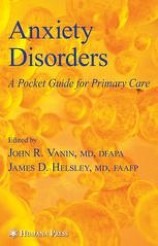
Anxiety disorders : A pocket guide for primary care
In Anxiety Disorders: A Pocket Guide for Primary Care, distinguished clinicians combine over a century of experience into concise, practical information and techniques for the diagnosis, evaluation, and effective management of psychiatric disorders.
Antiviral drug discovery and development
Summarizes antiviral drug design and discovery approaches Provides the latest update in the field of antiviral therapeutics Includes antiviral research of coronaviruses

Anti-stress chewing gum
Anxiety (stress) is a prevalent mental health concern that can significantly impact individuals' well-being and productivity. It can contribute to various health issues, including mental disorders, gastrointestinal problems, cardiovascular complications, and reduced work efficiency. To address this pressing issue, we aimed to assess public awareness of stress among Syrians and develop an innovative chewing gum formulation to mitigate its negative effects...

Antisense RNA Technology
The following project aims to introducing the technology of RNA Antisense as new therapy for many diseases. Antisense RNA: In molecular biology, the strand complementary to a coding sequence of a nucleic acid. Antisense DNA is the non-coding strand complementary to the coding strand in double-stranded DNA. The antisense strand serves as the template for messenger RNA (mRNA) synthesis. This synthesized nucleic acid is termed an "anti-sense" oligonucleotide (AON) because its base sequence is complementary to the gene's messenger RNA (mRNA), which is called the "sense" sequence (so that a sense segment of mRNA " 5'-AAGGUC-3' " would be blocked by the anti-sense mRNA segment " 3'-UUCCAG-5' ").
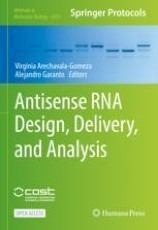
Antisense RNA Design, Delivery, and Analysis
This volume gathers a variety of models, delivery systems, and approaches that can be used to assess RNA technology for exploiting antisense as a therapeutic intervention. Beginning with a section on the design of antisense technology and their delivery, the book continues by covering model systems developed to evaluate efficacy, both in vivo and in vitro, as well as methods to evaluate preclinically the toxicity associated with these new potential drugs, and intellectual property considerations. Written for the highly successful Methods in Molecular Biology series, chapters include introductions to their respective topics, lists of the necessary materials and reagents, step-by-step, readily reproducible laboratory protocols, and tips on troubleshooting and avoiding known pitfalls.

Anti-phospholipid Syndrome
APS is an autoimmune disorder characterized by an increased tendency to form abnormal blood clots and Obstetrical morbidity wish cause to multi- miscarriages for women having this syndrome. Patients with Anti-Phospholipid Syndrome usually treated with multidrug regime depending mainly on Anticoagulant drugs, Anti Platelet Drugs and Immunomodulators Drugs. We aim in this project to talk about the Anti-Phospholipid Syndrome, what is patients’ symptoms, how is this disease diagnosed, and what drugs used in treatment and some information about the drug used in the treatment.

Anti-Obesity drugs
As a chronic and relapsing disease, obesity impairs metabolism and causes diabetes, cardiovascular diseases and cancer. Although behavioral modification is important for the treatment of obesity, it is difficult to achieve an ideal weight or sustain the process of long-term weight loss. Therefore, the obesity control guidelines strongly recommend lifestyle interventions along with medical treatment for patients who are overweight. There is sufficient evidence supporting that pharmacotherapy in combination with behavior-based interventions can result in significant weight loss and improvement of the health.
Anti-Neutrophil Cytoplasmic Antibody (ANCA) Associated Vasculitis
Covers all aspects of Anti-Neutrophil Cytoplasmic Antibody (ANCA) Associated Vasculitis (AAV). The expression refers to a group of diseases, characterized by destruction and inflammation of small vessels. The clinical signs vary and affect several organs, such as the kidney, lung, skin, nervous system and others. presents recently acquired knowledge on pathogenesis, diagnosis, and therapy with the aim of promoting a more holistic approach to these conditions. AAVs are systemic autoimmune diseases of unknown cause that affect small (to medium) sized blood vessels. They include granulomatosis with polyangiitis (formerly Wegener's granulomatosis), microscopic polyangiitis, and eosinophilic granulomatosis with polyangiitis (formerly Churg–Strauss syndrome).
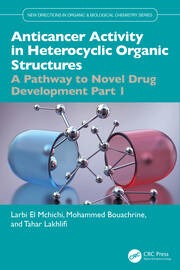
Anticancer activity in heterocyclic organic structures : A pathway to novel drug development : Part 1
New Directions in Organic & Biological Chemistry, explores the development of cancer therapeutics, focusing on molecular chemistry and advanced drug design approaches. Written by experts in theoretical chemistry and molecular chemistry, they bridge the gap between theoretical chemistry, molecular biology, and drug development. In Part I, they focus on the fundamental properties of heterocyclic compounds and innovative methodologies being employed to enhance therapeutic potential. By exploring various classes of heterocyclic compounds and diverse anticancer mechanisms.

Antibody-drug conjugates and cellular metabolic dynamics
Summarizes the related research achievements in Antibody-drug conjugates (ADCs) and their cell metabolism kinetics. The book has three main parts. The first part describes the basic theory of ADCs, including the basic concept and structure of ADCs, and the relationship between the targets of ADCs and their specific functions. The second part mainly introduces the endocytosis and intracellular metabolism of ADCs, including the relationship between endocytosis and ADC activity, the endocytosis and intracellular transport of ADCs, the distribution and metabolism of ADC in vivo. Then it discusses the new formats and research technology of ADCs, including the application of miniaturized antibodies in ADC synthesis, novel carriers for ADC design, the technology and application of site-specific conjugation, and approaches for analyzing the drug: antibody ratio (DAR), the study of pharmacokinetics of ADCs.
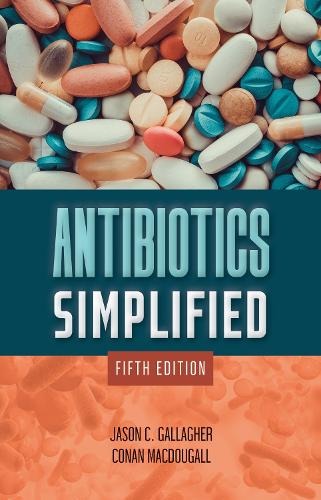
Antibiotics Simplified
Designed to bridge knowledge gained in basic sciences courses with clinical practice in infectious diseases. This practical text reviews basic microbiology and how to approach the pharmacotherapy of a patient with a presumed infection. It also contains concise Drug Class Reviews with an explanation of the characteristics of various classes of antibacterial drugs and antifungal drugs.
Antibiotic pharmacokinetic : Pharmacodynamic considerations in the critically Ill
Provides unique insights into the issues that drive modified dosing regimens for antibiotics in the critically ill. Leading international authors provide their commentary alongside a summary of existing evidence on how to effectively dose antibiotics. Severe infection frequently necessitates admission to the intensive care unit (ICU). Equally, nosocomial sepsis often complicates the clinical course in ICU. Early, appropriate application of antibiotic therapy remains a cornerstone of effective management. However, this is challenging in the critical care environment, given the significant changes in patient physiology and organ function frequently encountered. Being cognisant of these factors, prescribers need to consider modified dosing regimens, not only to ensure adequate drug exposure, and therefore the greatest chance of clinical cure, but also to avoid encouraging drug resistance.
Antiangiogenic Agents in Cancer Therapy
Antiangiogenesis remains a dynamic and evolving field in oncology. New therapeutic targets continue to emerge followed by the rapid development of new therapeutic agents to be investigated in clinical trials. Optimizing the therapeutic potential of antiangiogenic agents in combination with the other therapies in the armamentarium to fight cancer will be an on-going challenge. Antiangiogenic Agents in Cancer Therapy, Second Edition provides a current, up-dated perspective on the state of the art of angiogenesis and therapy with a compendium of scientific findings and approaches to the study of angiogenesis in cancer. Leaders in the field present chapters on such topics as the environmental influences and the genetic and physiologic abnormalities that mediate angiogenesis and its role in the progression of malignant disease, working models of tumor angiogenesis, and the role of angiogenesis inhibition in the therapy of malignant disease in humans. Comprehensive and cutting-edge, Antiangiogenic Agents in Cancer Therapy, Second Edition is an ideal, valuable guide to the most recent advances in the field, and a collection that will be useful for many years to come.
Anterior knee pain and patellar instability
This multidisciplinary book reviews the diagnosis and management of anterior knee pain and patellar instability in an eminently clinical and practical manner. The book reviews the therapeutic alternatives, both surgical and non-surgical, emphasizing the considerable importance of minimal intervention and non-surgical methods. Similarly, anterior knee pain following ACL reconstruction is covered in detail.

Anorexia nervosa and mood-enhancing foods
Anorexia nervosa (AN) is a serious mental illness characterized by failure to maintain normal weight and by overvalued ideas about the importance of body shape and weight. This study aims to discuss Anorexia nervosa and understand the pathophysiology to successfully fight this enigmatic illness and present the goal of the treatment for individuals with AN. The bi-directional influences between emotion and food consumption are discussed. Finally, we have searched in Future Directions and Treatment development of AN.

Animal cell technology : Basic & applied aspects ; Proceedings of the 7th Annual Meeting of the Japanese Association for animal cell technology (JAACT), Nagoya, Japan, November 15-18, 2004
This book contains the proceedings of the 17th Annual and International Meeting of the Japanese Association for Animal Cell Technology (JAACT) that was held in Nagoya, Japan from November 15 to 18, 2004. This volume gives the readers a complete review of present state-of-the-art in Japan and other countries where this field is well advanced. The Proceedings will be useful for the cell biologists, biochemists, molecular biologists, immunologists, biochemical engineers and other disciplines related to animal cell culture, working in either academic environments or in industries of biotechnology and pharmacy.
Angiogenesis in Inflammation : Mechanisms and Clinical Correlates
This volume relates the lessons learned from tumour biology applied to inflammation. This issue of Angiogenesis in Inflammation: Mechanisms and Clinical Correlates develops current knowledge on the mechanisms at the molecular and cellular levels as they relate to inflammation, including acute and chronic inflammation, neurogenic initiation, and the role of the multiple cellular components that comprise inflammation: granulocytes, macrophages, fibroblasts, dendritic cells and lymphocytes. This is related to inflammatory disease: not only the familiar angiogenesis dependent diseases of rheumatoid arthritis and psoriasis, but also loci such as the lung, gastric ulcers, the eye with uveitis, wound healing and periodontal disease and their therapy, how this knowledge may be used in the discovery of novel therapeutics. The volume brings together experts in each of these fields to link the molecular and cellular processes in angiogenesis to those of inflammation and disease, culminating in a discourse on areas for future therapies.
Angiogenesis and Direct Myocardial Revascularization
In Angiogenesis and Direct Myocardial Revascularization, an interdisciplinary panel of pioneers and opinion leaders review the basic, preclinical, clinical, and developmental pathways to new treatment strategies, such as therapeutic angiogenesis and myogenesis.

Android smart health monitoring system
Recent years have witnessed an increasing interest in the application of machine learning to clinical informatics and healthcare system never forgetting that the data also states that half of the world's population uses mobile devices. Despite of the existence of tons of applications, algorithms, and systems, the achievement of prescribing proper food that is suitable for patient health case based on face health status, height, weight, daily calories etc.., wasn’t achieved yet because of the lack of knowledge in food therapy process. Our system provides the service of food suggestion based on the input that is inserted by the user in sign-up form which are (height, weight, age, etc….).
