



الصفحة 2
الصفحة 2
Molecular Genetic Pathology
Molecular Genetic Pathology presents up-to-date material containing fundamental information relevant to the clinical practice of molecular genetic pathology.

Molecular Biology of Human Cancers: An Advanced Student's Textbook
Presents many of the molecules and mechanisms generally important in human cancers. Following an overview on the cancer problem, individual chapters deal with cancer genetics and epigenetics, DNA damage and repair, oncogenes, tumor suppressors, regulatory pathways in cancer, apoptosis, cellular senescence, tumor invasion, and metastasis. A consensus is emerging that while these common mechanisms and molecules are all relevant to human cancers, in each cancer type (or even subtype) a selection of them are extremely important. For selected cancers, the route from genetic and epigenetic changes to their biological and clinical behavior can already be traced. Part II of the book presents a broad, but exemplary selection of cancers that serve as paradigms to illustrate this point. In fact, cancer research has now reached a critical stage, in which the accumulated knowledge on molecular mechanisms is gradually translated into improved prevention, diagnosis, and treatment. The state, pitfalls, and potential of these efforts are summarized in Part III. More than ever, cancer research is now an interdisciplinary effort which requires a basic knowledge of commonly used terms, facts, issues, and concepts. The aim of this book is to provide advanced students and practitioners of different disciplines with this basis, bridging the gap between standard textbooks of molecular biology, pathology, and oncology on the one hand and the specialized cancer literature on the other.

Molecular biology : Structure and dynamics of genomes and proteomes
Illustrates the essential principles behind the transmission and expression of genetic information at the level of DNA, RNA, and proteins. Emphasis is on the experimental basis of discovery and the most recent advances in the field while presenting a rigorous, yet still concise, summary of the structural mechanisms of molecular biology. Topics new to this edition include the CRISPR-Cas gene editing system, Coronaviruses – structure, genome, vaccine and drug development, and newly recognized mechanisms for transcription termination.

Modes of Bio-Bordering : The Hidden (Dis)integration of Europe
This book explores how biometric data is increasingly flowing across borders in order to limit, control and contain the mobility of selected people, namely criminalized populations.

Modern Genome Annotation : The Biosapiens Network
An accurate description of current scientific developments in the field of bioinformatics and computational implementation is presented by research of the BioSapiens Network of Excellence. Bioinformatics is essential for annotating the structure and function of genes, proteins and the analysis of complete genomes and to molecular biology and biochemistry. Included is an overview of bioinformatics, the full spectrum of genome annotation approaches including; genome analysis and gene prediction, gene regulation analysis and expression, genome variation and QTL analysis, large scale protein annotation of function and structure, annotation and prediction of protein interactions, and the organization and annotation of molecular networks and biochemical pathways. Also covered is a technical framework to organize and represent genome data using the DAS technology and work in the annotation of two large genomic sets: HIV/HCV viral genomes and splicing alternatives potentially encoded in 1% of the human genome.

Modelli Matematici in Biologia = Mathematical Models in Biology
This text is addressed first of all to the students of the Specialist Degrees in Biology of the Universities, but it will also be of interest to students of Natural Sciences and Medicine. The topics covered include the most classic mathematical models of biological phenomena (population dynamics, spread of infectious diseases, simple physiology models), but a relevant part of the text is dedicated to the mathematical approach to the theory of natural evolution. The only prerequisites required of the reader are those provided by the basic courses of Mathematics of the Bachelor's Degree in Biology, Natural Sciences or Medicine.
Microscopy Techniques
Light Microscopy has returned to fashion through the synergy of green fluorescent protein and a clutch of techniques involving some permutation of lasers, mathematics and acronyms, which offer the prospect of watching biological molecules at work inside living cells. This volume provides an introduction to these techniques … . this volume will be a longer-term reference for anyone who wants to understand how these methods actually work. In this respect it is excellent.

Microorganisms in the deterioration and preservation of cultural heritage
This book offers a comprehensive overview of the role and potential of microorganisms in the degradation and preservation of cultural materials (e.g. stone, metals, graphic documents, textiles, paintings, glass, etc.).

Micromammals and Macroparasites : From Evolutionary Ecology to Management
Small mammals are among the most ubiquitous and important components of terrestrial ecosystems. They have coevolved, and now coexist, with a diverse array of parasites, such that not only are all aspects of their biology influenced by parasitism but they also play key roles in the transmission and maintenance of parasitic diseases. This book provides a comprehensive survey of the diversity and biology of metazoan parasites affecting small mammals, of their impact on host individuals and populations, and of the management implications of these parasites for conservation biology and human welfare. Designed for a broad, multidisciplinary audience, it will be an essential resource for researchers, students, and practitioners alike in the fields of parasitology, evolutionary ecology, wildlife management, and conservation biology.

Microbial Processing of Metal Sulfides
The application of microbiological methods to the extraction of metals from minerals has definitely gained a prominent role and is supported by the several bioleaching and biooxidation processes operating in different sites over the world. In recent years new techniques and new results about proteomic and bioinformatics are bringing a new perspective on the microbial processes.This book focuses on the basic aspects of the process with special emphasis on recent contributions regarding the chemical and microbial aspects of the bioleaching process and the use of microorganisms in the treatment of complex ores and concentrates.

Microbial Phosphate Solubilization
Last decade has seen a significantly increased knowledge about phosphate solubilizing microorganisms. Sixty specialists from thirteen countries met in Salamanca to discuss the problems of the high P-unavailability as a soil nutrient for crops, and the hazards of an increasing phosphate input to aquatic habitats from industrial and mining activities, sewage disposal, detergents, and other sources. Updated solutions to enhance P-uptake by plants, bioremediation potential in the rehabilitation of ecosystems, taxonomic characterization interactions with mycorrizae, the physiological and molecular basis of PSM, and possibilities of genetic modifications of rhizospheric microorganisms were among the contributions presented. Challenges in commercializing a phosphate solubilizing microorganism were also outlined by a relevant biotech company.

Metastasis of Breast Cancer
The book has covered a broad range of topics in the metastasis of breast cancer, from genetics, biology to clinical management. Main topics include genetic control, biology, growth factors, cell adhesion, cell motility and invasion, natures of bone metastasis, sentinel node therapies, hormonal links, new biomarkers and detection of micrometastasis, and diagnosis The book also covers the current treatment options including surgical management, chemotherapy and hormonal therapies.

Messenger RNA therapeutics
Focuses on the fundamentals and applications of messenger RNA (mRNA)-based therapeutics and discusses the strengths and key challenges of this emerging class of drugs. In the past 30 years, extensive research and technological development in many areas have contributed to the emergence of in vitro transcribed mRNA as a therapeutic that has now reached clinical testing. Formulations that protect the mRNA from nucleases and accelerate its cellular uptake, combined with improvements to the mRNA molecules themselves, have been critical advancements for mRNAs to become viable therapeutics. Though once regarded as a serious impediment, the transient nature of mRNA technology is now considered a major advantage in making mRNA therapies safe and, ultimately, a potential game changer in the field of medicine. This new book in the RNA Technologies series provides a state-of-the-art overview on the emerging field of mRNA therapeutics covering essential strategies for formulation, delivery, and application. It also reviews the promising role in cancer immunotherapy, respiratory diseases, and chronic HBV infection and discusses RNA vaccines in light of the current COVID-19 pandemic. mRNA-based approaches have great potential to revolutionize molecular biology, cell biology, biomedical research, and medicine.

Medicina delletà prenatale : Prevenzione, diagnosi e terapia dei difetti congeniti e delle principali patologie gravidiche = Prenatal medicine: Prevention, diagnosis and therapy of congenital defects and the main pathologies of pregnancy
This text aims to respond to the actual need to bring together in a single and updated reference text notions and data from different backgrounds, all essential for optimal monitoring of pregnancy.
Medical genetics and law : An international perspective
Essential resource to understanding the intersection of medical genetics and law. In a unique approach, it provides an overview on the biological principles of DNA basics and genetic inheritance linking the knowledge with the ethical and legal challenges presented by modern developments in genetics.

Mechanisms of the Glaucomas : Disease Processes and Therapeutic Modalities
In this book leaders in the various fields of glaucoma review our current understanding of glaucoma from epidemiology and genetics through molecular, cellular and tissue responses to the mechanisms of the glaucomas and the mechanisms by which we manage them.

Meat Biotechnology
The main goal of this book is to provide the reader with the recent developments in biotechnology and their applications in the meat processing chain. To achieve this goal, the book is divided into four parts. The first part deals with the use of modern biotechnology applied to farm animals. The second part focuses on the recent biotechnological developments in starter cultures for better meat fermentation. The third part discusses current approaches to improve the quality and nutritional properties of meats. The final part presents the latest advances in protection against foodborne pathogens, and other recent trends in the field. Written by distinguished international contributors, this book brings together the advances in such varied and different biotechnological topics

Islamic Bioethics : Problems and Perspectives
This book presents a critical analysis of the debate at the religious, legal and political level sparked off by the introduction of new biomedical technologies (cloning, genetics, organ transplants, IVF, etc.) in Muslim countries. It compares the positions of "classic" Muslim law and contemporary religious authorities; laws in Muslim countries; the attitudes and concrete behaviour of populations, families and individuals, as well as the regulations of medical associations, bioethics committees etc..

Introduction to Epigenetics
This textbook leads the reader from basic concepts of chromatin structure and function and RNA mechanisms to the understanding of epigenetics, imprinting, regeneration and reprogramming. The textbook treats epigenetic phenomena in animals, as well as plants.
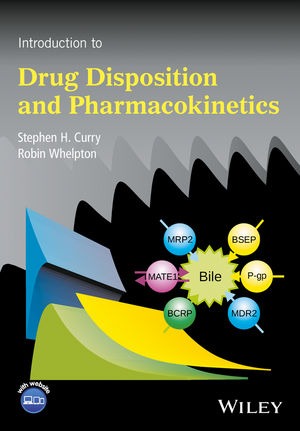
Introduction to Drug Disposition and Pharmacokinetics
The application of knowledge of drug disposition, and skills in pharmacokinetics, are crucial to the development of new drugs and to a better understanding of how to achieve maximum benefit from existing ones. The book takes the reader from basic concepts to a point where those who wish to will be able to perform pharmacokinetic calculations and be ready to read more advanced texts and research papers.
