



الصفحة 2
الصفحة 2

General Principles of Tumor Immunotherapy : Basic and Clinical Applications of Tumor Immunology
Brings together the world’s leading authorities on tumor immunology. This book describes the basic immunology principles that form the foundation of understanding how the immune system recognizes and rejects tumor cells. The role of the innate and adaptive immune responses is discussed and the implications of these responses for the design of clinical strategies to combat cancer are illustrated through both experimental clinical trials and review of current standard of care therapeutic agents. This information will be invaluable to both students of immunology and cancer research and practicing physicians who have patients with cancer. The book provides a comprehensive overview of the field, demonstrates how advances in basic immunology can and are being applied to cancer, and describes the current status of approved immunotherapy regimens.

Gene Therapy for Cancer
The possibility of treating cancer, a disease defined by genetic defects, by introducing genes targeting these very alterations has led to an immense interest in gene therapy for cancer. Although incremental successes have been realized, enthusiasm for gene therapy has declined due to an increasing number of obstacles. These obstacles include vector systems that do not reach systemic metastases, therapeutic genes with redundant mec- nisms allowing for cellular resistance, and toxicities in clinical trials leading to premature closure of these studies. Different tactics to overcome or circumvent these obstacles have catalyzed the development of a wide range of gene therapy approaches. Thus far, almost two-thirds of gene therapy trials have focused on cancer. This reflects the concept that gene therapy approaches for the treatment of cancer do not necessarily require long-term expression of the gene as is necessary for the treatment of primary genetic defects like hemophilia or juvenile diabetes.

Frontiers in Anti-Infective Drug Discovery ; Vol.9
Covers a range of topics including rational drug design and drug discovery, medicinal chemistry, in-silico drug design, combinatorial chemistry, high-throughput screening, drug targets, recent important patents, and structure-activity relationships. Frontiers in Anti-Infective Drug Discovery is a valuable resource for pharmaceutical scientists and post-graduate students seeking updated and critically important information for developing clinical trials and devising research plans in this field. The ninth volume of this series features 5 reviews that cover some aspects of clinical and pre-clinical antimicrobial drug development, with 2 chapters focusing on drugs to treat leishmaniasis and dengue fever, respectively. - Use of preclinical and early clinical data for accelerating antimicrobial drug development - Post-translational modifications: host defence mechanism, pathogenic weapon, and emerged target of anti-infective drugs - Scope and limitations on the potent antimicrobial activities of hydrazone derivatives - Current scenario of anti-leishmanial drugs and treatment - Dengue hemorrhagic fever: the potential repurposing drugs

Fiscal state aid law and harmful tax competition in the European Union
Offers an in-depth analysis of EU fiscal state aid in relation to harmful tax competition , Examines the legal concept of fiscal state aid under Article 107(1) of the TFEU and provides an up-to-date account of its definitional aspects , Covers all recent Commission decisions and investigations into tax schemes and individual tax rulings

Evidence-Based Medicine - A Paradigm Ready To Be Challenged? : How Scientific Evidence Shapes Our Understanding And Use Of Medicine
This book aims to clarify the term „evidence-based medicine“ (EBM) from a philosophy of science perspective. The author, Marie-Caroline Schulte discusses the importance of evi-dence in medical research and practice with a focus on the ethical and methodological prob-lems of EBM.

Evaluating clinical research : All that glitters is not gold
The objective of this book is to make its readers better informed and more critical consumers of clinical research to help them recognize the strengths and the weaknesses of scientific publications. In doing so, the reader will be able to distinguish patient-important and methodologically sound studies from those having limitations in design, conduct and interpretation.

Ethical Issues in Cancer Patient Care Second ed.
This updated edition addresses a variety of ethical issues that arise in the care of oncology patients, the chapters address issues that are central to contemporary medical practice and medical ethics inquiry.

Essentials of Clinical Research
Focuses on clinical trials, in contrast to the many excellent textbooks that address epidemiological research. With the recent interest in patient oriented research, this book should provide a knowledge base that is not necessarily covered in other texts.

Drug development for rare diseases
A disease is defined as rare if the prevalence is fewer than 200,000 in the United States. It is estimated that there are more than 7,000 rare diseases, which collectively affect 30 million Americans or 10% of the US population. This diverse and complex disease area poses challenges for patients, caregivers, regulators, drug developers, and other stakeholders. This book is proposed to give an overview of the common issues facing rare disease drug developers, summarize challenges specific to clinical development in small populations, discuss drug development strategies in the evolving regulatory environment, explain generation and utilization of different data and evidence
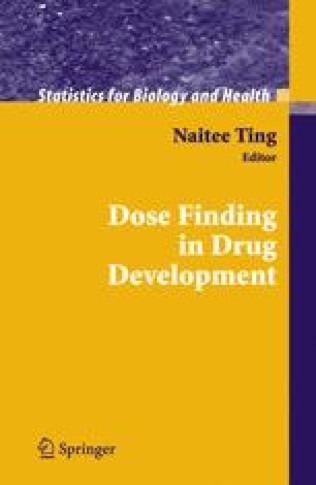
Dose Finding in Drug Development
When you go to the pharmacy and fill a prescription, have you ever wondered if the dose of the medication is right for you? Can the dose be too low so that the drug will not work? This book answers some of these questions, and introduces the drug development process, the design and analysis of clinical trials.

Dental care and oral health during the COVID-19 pandemic
Disseminates relevant knowledge of the recent SARS-Cov-2 pandemic with a focus on related applications in the fields of medicine and dentistry. Different types of manuscripts concerning these topics will be considered, including clinical studies, trials, systematic reviews, prospective studies, and proposals of new protocols or scientific evidence regarding dental clinics and SARS-Cov-2 infections.

Dental biomaterials: from fundamental principles to clinical applications
Novel approaches are being developed to prevent and treat prevalent oral diseases like dental caries, periodontitis, and oral cancer. Researchers are also exploring the potential of biomaterials in regenerative dentistry, such as promoting bone growth and repairing damaged oral tissues.The ongoing research and development in dental materials and biomaterials holds great promise for improving oral health outcomes. However, it is imperative to maintain a sustained focus on research to fully leverage their potential and effectively address the existing gaps in dental care.In the special issue titled "Dental Biomaterials: From Fundamental Principles to Clinical Applications," significant findings have emerged from a variety of sources, including in vitro experiments and clinical trials.

Data Monitoring in Clinical Trials : A Case Studies Approach
Randomized clinical trials are the gold standard for establishing many clinical practice guidelines and are central to evidence based medicine. Obtaining the best evidence through clinical trials must be done within the boundaries of rigorous science and ethical principles. One fundamental principle is that trials should not continue longer than necessary to reach their objectives. Therefore, trials must be monitored for recruitment progress, quality of data, adherence to patient care or prevention standards, and early evidence of benefit or harm. Frequently, a group of external experts, independent from the investigators and trial sponsor, is charged with this monitoring responsibility, especially for safety and early benefit. This group is referred to by various names, such as a data monitoring committee or a data and safety monitoring board. This book, through a series of case studies presented by many distinguished clinical trial experts, illustrates the complexity of this monitoring process.No other text has as extensive a collection of cases which provide insight into the many issues, often conflicting, that must be examined before recommendations to continue or discontinue a trial can be made. While depth in statistical methods is not required, some familiarity with statistical design and analysis issues in clinical trials is helpful. The cases cover trials which were terminated early for convincing evidence of benefit, or for harmful effects. Cases with complex issues are also included. This series of cases should provide broad background information for potential monitoring committee members and better prepare them for the challenges that may exist in the trials for which they are responsible.

Criminal law : Cases and materials
Provides the reader with both critical race and critical feminist theory perspectives on criminal law while following a traditional format. All of the usual subject areas are covered, but the book is unique in highlighting the cultural context of substantive criminal law. The book seamlessly integrates issues of race, gender.

Coronary Heart Disease in Clinical Practice
The broad coverage of this book includes chapters on all aspects of modern coronary heart disease practice, including cardiac investigations, angina, acute myocardial infarction, heart failure, arrhythmia, lipids, hypertension and diabetes. Aspects of risk modification, including nutrition, obesity, smoking and alcohol, are also outlined. The book contains carefully selected medical questions on hot topics and each is answered at length with the aid of illustrations and tables. It also highlights and summarizes the important aspects of the numerous current international guidelines and trials.

Contemporary Accounts in Drug Discovery and Development
Drug discovery is a lengthy and complex process that typically involves identifying an unmet medical need, determining a biological target, chemical library screening to identify a lead, chemical optimization, preclinical studies and clinical trials. This process often takes many years to complete, and relies on practitioners’ knowledge of chemistry and biology, but also—and perhaps more importantly—on experience. Improving the success rate in discovery and development through a thorough knowledge of drug discovery principles and advances in technology is critical for advancement in the field.

Clinical Trials in Rheumatoid Arthritis and Osteoarthritis
Designed to be a practical handbook on clinical trial management in these key therapeutic areas, 'Clinical Trials in Rheumatoid Arthritis and Osteoarthritis' is aimed at principal investigators pharmaceutical physicians and other pharmaceutical staff involved in the design, conduct and monitoring of these increasingly complex diseases.

Clinical Trials in Osteoporosis
A practical handbook on clinical trials in the growing field of osteoporosis. Topics covered include study design, technical issues, data collection, quality assurance, data analysis and presentation. It takes the user through the process step-by-step from start to finish, also providing a background on regulatory guidelines, ethical implications, endpoints, current therapies and the ideal drug to use.

Materials for medical applications : Principles and practices
Discusses advanced knowledge about the synthesis and application of materials in the medical field for diagnostic and therapeutic conditions. These materials have been extensively used in various biological and medical applications, especially in drug delivery, tumor screening, bioimaging, diagnosis, and therapies. Materials for Medical Applications provides comprehensive but concise information about materials and their medical applications. The readers will get information about the trends in materials and their medical applications, as well as current material-based products that are used in the medical field. The book also discusses how materials are tested in research laboratories, preclinical (animal) trials, and clinical (human) trials, and how material-based products go through various regulatory and safety phases before reaching patients. It also discusses topics such as materials delivery, imaging, and treatments for various diseases. It includes a chapter dedicated to regulatory guidelines and policies in the application of nanomaterials and will include current clinical trial information on the materials. Finally, the book has topics such as health safety, toxicity, dosages, and long-term implications of materials.
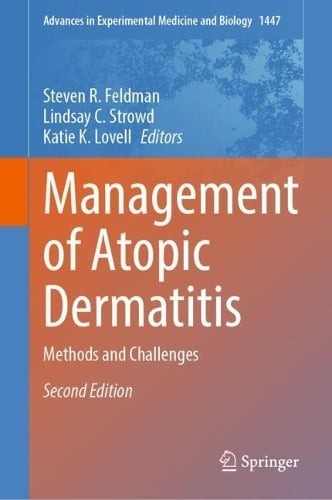
Management of atopic dermatitis : Methods and challenges
This new edition builds upon the foundational knowledge covered in the first edition, covering the epidemiology, pathogenesis, and clinical presentation of atopic dermatitis in both pediatric and adult patients. It provides an overview of the mechanism and presentation of atopic dermatitis and focuses on the management methods experienced dermatologists have used to successfully manage atopic dermatitis. The book includes new chapters describing the special considerations for atopic dermatitis in skin of color patients, dedicated chapters on topical and oral prescription management reflected the latest FDA-approved treatments, and also a chapter covering the updated guidelines from the American Academy of Dermatology. A final chapter includes updates on the future of atopic dermatitis treatment.
