



الصفحة 2
الصفحة 2

Essential Cardiology : Principles and Practice
The ideal textbook of cardiology lies between the very detailed and enormous encyclopedias of cardiology and the diminutive manuals and handbooks that provide a quick but superficial tour of the field. Clive Rosendorff, md, phd, and a panel of researchers and clinician-scientists, who are all leaders in their fields, create such a text with their second edition of Essential Cardiology: Principles and Practice. Drawing on years of practical experience, as well as the enormous number of recent scientific and clinical advances.

Diabetic Kidney Disease
Presents the latest information on the clinical-pathological features of diabetic kidney disease. The data included is based on a cohort study of biopsy-proven diabetic nephropathy patients and nephrosclerosis patients, who were observed over a long term, and on the long-term registry for diabetic nephropathy (diabetic kidney disease) in Japan. It provides a clinical-pathological axis in clinical settings, including differential pathological/clinical diagnoses of CKD in diabetic patients (e.g. the presence of “classic” diabetic nephropathy and/or nephrosclerosis and/or other primary kidney diseases). The abundant biopsy specimens with long-term medical records provide a detailed pathological and clinical description. The book also includes urine-sample data for developing and validating possible candidates for novel biomarkers for diabetic kidney disease. Many countries, including Japan, have ageing populations, in which nephrosclerosis contributes to the progression of kidney lesions in patients with diabetic kidney disease. As such, a comparison of a diabetic nephropathy cohort with nephrosclerosis is indispensable to offer better treatments.

CRP and the relation with heart disease
Cardiovascular diseases are the leading causes of mortality and morbidity in industrialized and developing countries. Many efforts have been undertaken during the last decades to identify environmental, behavioral and genetic factors modulating the risk of cardiovascular diseases.It will explain the role of CRP - an acute-phase protein- as indicator of potential cardiovascular disease as well as a predictor of the risk for heart disease and future heart attack

Costi sociali e aspetti farmacoeconomici = Social costs and pharmacoeconomic aspects
La sclerosi multipla (SM) rappresenta la seconda causa di disabilità neurologica nel giovane adulto, dopo i traumi cranici. Negli ultimi anni, l'introduzione di nuovi farmaci, potenzialmente in grado di modificare il decorso della malattia, ha richiamato l'attenzione sui costi sociali della SM e sugli aspetti farmaco-economici. Si sono avanzati, da un lato, timori che il costo dei nuovi farmaci costituisca un onere insostenibile per il sistema sanitario. Dall'altro lato, recenti studi economici hanno sottolineato l'importanza di una valutazione inserita in una prospettiva più ampia, considerando la possibilità che le nuove terapie possano ridurre i costi sociali di malattia nel lungo termine, ritardando o evitando lo sviluppo di invalidità. Questo volume rivede la letteratura internazionale sui costi sociali della SM, e gli studi farmaco-economici sui nuovi farmaci per la malattia.
Management of Erectile Dysfunction in Clinical Practice
Management of Erectile Dysfunction in Clinical Practice is a concise and practical guide to erectile dysfunction (ED) and its management. The book covers normal function and dysfunction, assessment, treatment options and interventions. Since ED is a symptom, not a disease the underlying causes such as hypertension, coronary artery disease, diabetes, chronic renal impairment, chronic arthritis, chronic alcoholism, multiple sclerosis are looked at.
Lifestyle nutrition eating for good health by lowering the risk of chronic diseases
Provides physicians with an evidence-based introduction to nutrition science with a practical emphasis on how to apply this information to improve the health of their patients and enhance their own lives. From nutrition and atherosclerosis to erectile dysfunction and chronic kidney disease to osteoporosis, this comprehensive guide covers a wide range of conditions influenced by diet. It delves into specialized areas, such as nutrition for physically active people to the elderly, ensuring relevance for diverse patient populations. The reader will find detailed analysis of the Dietary Guidelines for Americans 2020–2025 and their applications and strategies for adopting healthy plant-based diets, such as Mediterranean, DASH, and vegan.
La riabilitazione dei disturbi cognitivi nella sclerosi multipla = The rehabilitation of cognitive disorders in multiple sclerosis
Multiple sclerosis is one of the most frequent causes of chronic disability in young adults. It mainly affects individuals between 20 and 50 years of age, with a peak of incidence around the age of 30. This disease is characterized by the presence of demyelinating lesions of an inflammatory nature disseminated in the central nervous system. The different localization of these lesions is at the basis of the variability of clinical symptoms which can be characterized by motor, sensory, neurovegetative and cognitive disorders. The latter concern about half of the patients affected by this pathology and have a significant impact on the personal, family and work situation of these patients.
Classic Papers in Coronary Angioplasty
Every medical specialty has a core of classic papers that reflect both the historical development of the discipline and point the way to present and future developments. The Editors of Classic Papers in Coronary Angioplasty have assembled a distinguished team of international contributors, to identify, analyze and bring together in a single volume the most important articles from a broad range of publications that have become recognized as the defining articles in coronary angioplasty.
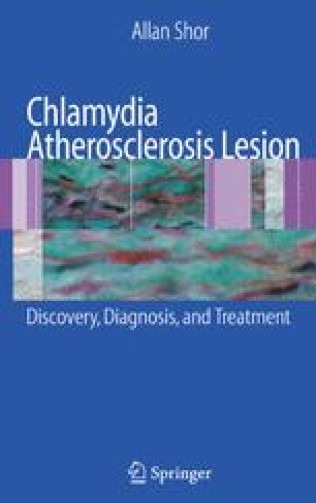
Chlamydia Atherosclerosis Lesion : Discovery, Diagnosis, and Treatment
This book presents current understanding on the specific pathological features of the C. pneumoniae arterial lesion and the unique morphological features and life cycle of C. pneumoniae in atheromatous arteries. It is important for every medical practitioner to be aware of this disease. All internal medicine physicians, intensivists, family medicine practitioners, infectious disease and immunology physicians should be aware of the impact of C. pneumoniae, the specific pathological features, and methods of diagnosing the lesion. This book presents a unique review of this important
Chemokine biology : Basic research and clinical application ; Vol.2 : Pathophysiology of chemokines
Chemokines play an important role in recruiting inflammatory cells into tissues in response to infection and inflammation. They also play an important role in coordinating the movement of T-cells, B-cells and dentritic cells, necessary to generate an immune response (response to injury, allergens, antigens, invading microorganisms). They selectively attract leukocytes to inflammatory foci, inducing both cell migration and activation. They are involved in various diseases, like atherosclerosis, lung and skin inflammation, multiple sclerosis, or HIV. Volume 2 of this two-volume set discusses the pathophysiology of chemokines. It is divided into two parts: a) chemokines in animal disease models, and b) chemokines as drug targets. Together with volume 1, which discusses the immunobiology of chemokines, both volumes give a comprehensive overview of chemokine biology.
Cardiovascular Disease in AIDS
In this new edition of Cardiovascular Disease in AIDS new insights coming from basic and clinical research in the field of HIV-associated cardiovascular disease and antiretroviral therapy are reported, along with the clinical guidelines for a careful stratification of the cardiovascular risk and cardiovascular monitoring of HIV-infected patients receiving HAART. The authors offer a wide overview of the topic for specialists in cardiology and infectious diseases involved in the clinical management of HIV-infected patients.
Brainlesion: Glioma, Multiple Sclerosis, Stroke and Traumatic Brain Injuries ; 7th International Workshop, BrainLes 2021, Held in Conjunction with MICCAI 2021, Virtual Event, September 27, 2021, Revised Selected Papers, Part I
The content of thebook covers the current state-of-the-art literature on federated learning applications for cancer research and Vclinical oncology analysis, as well as an overview of the deep learning approaches improving the current standard of care for brain lesions and current neuroimaging challenges. It is also focusing on the accepted BrainLes workshop submissions, is to provide an overview of new advances of medical image analysis in all the aforementioned brain pathologies. It brings together researchers from the medical image analysis domain, neurologists, and radiologists working on at least one of these diseases. The aim is to consider neuroimaging biomarkers used for one disease applied to the other diseases.
Biochemistry of Atherosclerosis
Advances in Biochemistry in Heath and Disease presents state-of-the-art discussions in cutting-edge biochemical research, offering exciting developments that impact healthcare and disease research. Volumes in the series focus on cross-disciplinary biomedical research and examine various topics in biochemistry, cell biology, molecular biology, and biomedicine. Biochemistry of Atherosclerosis examines atherosclerosis in great detail, focusing on the risk of atherosclerosis, and the biochemical pathways involved. It provides a breadth of knowledge as well as new insights into a variety of topics relating to atherosclerosis from leading scientists around the world who are at the forefront of atherosclerosis research. Biochemistry of Atherosclerosis is essential reading for biomedical and clinical researchers.
Atherosclerosis and Oxidant Stress : A New Perspective
Vascular injury is initiated by oxidant injury to the vessel wall. This volume is organized around the role of oxidant damage in this disease process and provides a collection of the most recent studies, representing various disciplines, that can serve as the basis for further improvements in our understanding and control of cardiovascular and cerebral vascular disease.
Atherosclerosis : Diet and Drugs
Divided into four parts and intends to give an overview on the pathogenesis of atherosclerosis, established treatment and prevention regimen, and of perspectives for the development of new treatment modalities.

Apitherapy and therapeutic properties
Apitherapy is an alternate therapy that relies on the usage of honeybee products, most importantly bee venom for the treatment of many human diseases. Bee venom contains several active molecules such as peptides and enzymes that have advantageous potential in treating inflammation and central nervous system diseases, such as Parkinson’s disease, and Alzheimer’s disease and autoimmume diseases like reumatic and atherosclerosis .Bee venom (BV) is usually associated with pain since, when humans are stung by bees,local inflammation and even an allergic reaction can be produced. It also consists of a mixture of proteins and peptides, including enzymes such as Melittin and phospholipase A2 (PLA2) are the most abundant and studied compounds of BV Stings of hymenoptera can induce IgE-mediated hypersensitivity reactions in venom-allergic patients, ranging from local up to severe systemic reactions and even fatal anaphylaxis. skin is larger than any other organ in humans.
Antioxidants and Cardiovascular Disease
Antioxidants and Cardiovascular Disease, Second Edition addresses a complex but very timely and fascinating problem in cardiovascular medicine. It is written by recognized experts in the fields of atherosclerosis and antioxidants. It should be of interest not only to academicians but also to practicing physicians.

Anticoagulants and coronary artery disease
Blood thinners are medicines that help blood flow smoothly through your veins and arteries. There are two. The first is called anticoagulants (Warfarin, Heparin, Enoxaparin) and The second class of blood thinners is called antiplatelet (Aspirin, Ticagrelor , Clopidogrel). . Coronary arteries supply blood to the heart muscle. Coronary artery disorder or disease can have serious implications by reducing the flow of oxygen and nutrients to the heart muscle. This can lead to a heart attack and possibly death. Atherosclerosis. Medications to reduce the risk of blood clots, such as anticoagulants (including aspirin) and antiplatelet. , in particular aspirin, are effective in preventing platelet activation and thus thrombus formation and Clopidogrel is an inhibitor of platelet activation.
Advances in multiple Sclerosis and Experimental Demyelinating Diseases
Challenging Charcot’s hypothesis that inflammatory response is the primary contributor to demyelination, Dr. Rodriguez and colleagues take a fresh, bold look at the causes and possible treatments of MS.Assuming oligodendrocyte injury as a prerequisite to MS, the authors explore viruses, toxins and genetic defects as possible culprits. They present novel methods to interrupt and reverse demyelination. This book examines the correlation between axonal loss and clinical deficits, including the implied role of the CD8+ T cell and perforin. It assesses proteases, specifically, kallikrein 6, which are strongly associated with active demyelination. By directing natural autoantibodies against oligodendrocytes that demonstrate remyelination in animal models, the authors envision clinical trials for remyelination enhancement.
Adrenomedullin in Cardiovascular Disease
Adrenomedullin in Cardiovascular Disease is an up-to-date review of the most relevant aspects of adrenomedullin. It encompasses a broad range of fields including biochemistry, molecular biology, physiology, pharmacology, pathophysiology of cardiovascular disease and clinical applications of adrenomedullin to cardiovascular disease.
