



الصفحة 2
الصفحة 2

Challenge In biologic drug delivery
Biologics are currently one of the most promising avenues for therapeutic interventions in conditions such as metabolic disease, ageing and inflammatory disorders, and for chronic ailments, oral delivery of such medicines has for years been recognised as an important goal. Despite decades of intensive research, oral delivery of biologics is only just starting to prove feasible. There has been much talk about the barriers to uptake of biologics, and indeed, one function of the intestine is to prevent, in one way or another, passage of unwanted materials across the gut, and yet, grams of biological agents both large and small pass across the intestinal cell wall every day. This review first describes the functioning of the gut under normal circumstances, then identifies the principle biological mechanisms, which have been harnessed successfully, to date, to achieve oral uptake, outlining the pros and cons of each approach.

Bevande analcoliche : Piacere, libertá, responsabilitá = Non-alcoholic drinks : Pleasure, freedom, responsibility
The increase in physical activity and responsible moderation in the intake of food and drinks represent the best strategy to control the phenomenon of obesity in our society.
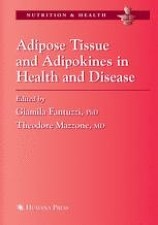
Adipose Tissue and Adipokines in Health and Disease
The aim of Adipose Tissue and Adipokines in Health and Disease is to provide comprehensive information regarding adipose tissue, its physiological functions and its role in disease. This volume contains a collection of information spanning the entire range of adipose tissue studies, from basic anatomical and physiological research to epidemiology and clinical aspects, in one place. This book is indispensable for basic researchers and clinicians interested in the fields of obesity, metabolic diseases, inflammation and immunity, and specialists in each of the pathologies associated with obesity.
