



الصفحة 2
الصفحة 2

Frailty and Kidney Disease : A Practical Guide to Clinical Management
This book is of importance in nephrology, specifically nephrogeriatrics, since frailty is a condition affecting many elderly patients and which is becoming increasingly common in medical practice. As such, there is a considerable need for information to assist professionals treating these patients. The book includes chapters on the frailty syndrome (definition, evaluation and treatment), the main geriatric syndromes (gait disorder, falls, incontinence, and delirium), the main renal syndromes (acute renal injury, chronic kidney disease) as well as dialysis and kidney transplant, and the relationship between geriatrics and renal syndromes.

Fractures du genou = Knee fractures
Provides a comprehensive yet practical overview of the management of knee fractures and their complications. The editorial team comprises specialists from France, Switzerland, Belgium, the United States, and Ireland, many of whom are members of the AO group. Imaging strategies, assessment, classification, and anatomical variations are reviewed for each anatomical location. All therapeutic approaches are discussed without exception: conventional implants, intramedullary nailing, minimally invasive techniques, including the role of external fixation, and newer technologies such as the LISS. These approaches are subjected to critical analysis to identify the best options based on the indications and individual circumstances. The patellar apparatus is addressed in its functional unity. Postoperative management, influenced by functional prognosis, is also covered, as is the management of malunion, stiffness, and other complications. Finally, very specific problems are discussed, such as pediatric injuries, patellectomies, periprosthetic fractures, often complex projectile injuries, the role of immediate arthroplasty and massive grafts, but also associated injuries which sometimes have a heavy impact on the final prognosis.

Foundations of Sport-Related Brain Injuries
A major take-home point from this book should be the assumption that symptom resolution does not necessarily mean injury resolution. As can be seen by research focusing on global metabolic cascades and neural activity of the brain, long-standing dysfunctional pathways continue to exist for extended periods of time even after a minor concussion. Until we completely understand the consequences of short-term perturbations and long-term residual brain dysfunctions, concussions must be treated with respect and given a higher priority for continued research activity.

Football Traumatology : Current Concepts : From Prevention to Treatment
Lesions associated with football are on the increase and their typology has also changed over the years. Football, like many other sports, has undergone major changes: the increase in the intensity and speed of the game, the modern training methodologies, the technical and tactical innovations are all factors contributing to increased risks of traumatic injury. The footballers, the trainers, the sport's medical staff are asking for greater information and knowledge on the traumatic lesions associated with this sport. The primary role of those who are concerned with the health of footballers is to enforce preventive measures to reduce wherever possible the risks of trauma.

Flexibility : A concise guide to conditioning, performance enhancement, injury prevention, and rehabilitation
This groundbreaking book is a definitive guide to flexibility and revises the conceptual framework of the field. In Flexibility: A Concise Guide, the authors provide a fresh perspective on flexibility, one that challenges current thinking and professional practice, from the conceptual foundations of research to the practical applications of stretching techniques in a number of domains.

Fire-fighter robot
Firefighting is an important but dangerous career that can potentially cause the loss of life, property damage and permanent disability to the victim. Robots are designed to find a fire, before it rages out of control, could one day work with fire fighters greatly reducing the risk of injury to victims. In this report we will focus on each phase of the project one by one and demonstrate them.
Female Genital Mutilation
Focuses on Female Genital Mutilation/Cutting (FGM/C) in children and adolescents. FGM/C comprises all procedures that involve partial or total removal of the external female genitalia or injury to the female genital organs for nonmedical reasons. It is mainly carried out during childhood, before the age of 15.

Evidence-Based Imaging : Optimizing Imaging in Patient Care
Evidence-Based Imaging: Optimizing Imaging for Patient Care presents the radiologist and clinician with a user-friendly guide to the evidence-based science and the merit behind the diagnostic imaging studies performed in medicine. The book provides a systematic framework for understanding the best imaging choices for patient care.

Évaluation des troubles neuropsychologiques en vie quotidienne = Assessment of neuropsychological disorders in daily life
Neurological diseases such as stroke, head trauma, Alzheimer's disease pose a public health problem. They affect all ages, from children to the elderly. They affect the possibilities of autonomy in daily life, the possibilities of social or professional integration. In these pathologies, neuropsychological disorders: disorders of language, memory, attention, etc., are the source of crucial difficulties. Cognitive tests performed by psychologists are essential for their diagnosis, but do not on their own make it possible to prejudge the difficulties encountered by people in their everyday life. This book presents an original approach to neuropsychological disorders, by describing specific assessments describing difficulties in daily life, in order to better understand them and to quantify their impact. The second part of the book develops the consequences in clinical practice in particular populations - children and the elderly - or the social objective of the evaluation, in particular school integration, professional integration and driving. Finally, the relevance of these assessments in the context of recent laws on disabled people as well as the development of compensation for bodily injury after an accident are also discussed.
Essentials of Orthopedic Surgery
This book is a comprehensive guide to the most commonly observed orthopedic problems in both adults and children. Whether utilized for study or for clinical reference, this concise and richly illustrated text is filled with focused information crucial to formulating accurate orthopedic diagnoses and treatment plans.

Essential Physical Medicine and Rehabilitation
In Essential Physical Medicine and Rehabilitation, nationally and internationally recognized experts join forces to summarize the essential facts needed to do a successful clinical rotation in physical medicine and rehabilitation (PM&R). Writing to be quickly read and comprehended, the authors spell out the implications of brain injury, the effects of spinal cord injury, the uses of orthotics and prosthetics, and the crucial importance of cardiac and pulmonary rehabilitation to maximize functional independence.

Erythropoietin and the Nervous System
Erythropoietin and the Nervous System is the first book of its kind to bring together researchers from many different disciplines of neuroscience to present a current state-of-the-art review of multiple aspects of erythropoietin research as it relates to the nervous system. Erythropoietin (EPO) is a chemokine hormone that is widely distributed throughout the body. In addition to its traditional role as a hormone that stimulates red blood cell production, in recent years many laboratories have shown that EPO can act as a neuroprotective compound in a variety of injury paradigms in the nervous system.

Diet and nutrition in neurological disorders
Offers readers a comprehensive reference on the effect of dietary regimes in a wide variety of neurological diseases. With coverage of different types of diets, including Mediterranean or DASH, this broad coverage allows readers to learn about diets and their affect on specific disorders which may well be relevant to other conditions. This includes diseases such as Alzheimer’s, Parkinson’s, ALS, MS and severe neurological conditions such as brain injury, stroke, headache and migraine. This volume provides a platform for research on new dietary regimes and on future investigations of diet and nutrition.

Danno Vascolare E Tromboemostasi : Fisiopatologia e patologia clinica = Vascular injury and thrombohemostasis : Pathophysiology and clinical pathology
Quest’opera descrive alcuni meccanismi chiave dell’angiogenesi e le opportunità riguardanti lo sviluppo di nuove strategie in campo terapeutico. Il volume fornisce un quadro esaustivo della materia spaziando dall’embriologia dei vasi e del sistema emopoietico ai più avanzati approcci terapeutici, primo fra tutti quello che si basa sull'utilizzazione del sangue midollare autologo ad attività staminalica. Grande rilevanza viene inoltre attribuita alla patogenesi dei difetti dell’emostasi e della coagulazione, all’ipertensione arteriosa e ai difetti del quadro lipidico.

Combined Scintigraphic and Radiographic Diagnosis of Bone and Joint Diseases
In addition to the bone and joint diseases described in the two earlier editions, this book encompasses novel applications of pinhole scanning to the diagnosis of a broader spectrum of skeletal disorders. It has been considerably expanded to discuss five new themes and is complemented by the addition of some 90 recently acquired cases
Lung biology and pathophysiology
The lungs are the organ for gas exchange between the body and the external environment. Dysfunction of upper airway epithelium and smooth muscle cells leads to pathogenesis of asthma, chronic obstructive pulmonary disease (COPD), cystic fibrosis, and other conditions, resulting in airway inflammation and narrowing. Injury to alveolar epithelium and endothelium causes influx of neutrophil and protein-rich fluid from circulation, resulting in edema and disruption of gas exchange. In addition to lung structural cells, immune cells, including alveolar macrophages and lymphocytes play critical roles in the maintenance of lung function. This book contributes to the understanding homeostasis of lung cells in the physiological and pathological conditions critical to the development of novel therapeutics.

Liver
Liver is the second largest organ in human body, more than 5,000 separate bodily functions including helping blood to clot, cleansing the blood of toxins to converting food into nutrients to control hormone levels, fighting infections and illness, regenerating back after injury and metabolizing cholesterol, glucose, iron and controlling their levels. Most people never give their liver a thought until something goes wrong, yet, liver diseases on rise, affecting one in ten. Liver diseases can be inherited or caused by a variety of factors that damage the liver.
Learning Surgery : The Surgery Clerkship Manual
Provides a ready reference to those in third and fourth year residencies. Essential algorithms and case presentations meet with clerkship learning objectives as outlined by the Association of Surgical Education in their ASE Manual. Two sections include Introduction to Clinical Surgery in the Surgical Clerkship Setting and Management of Surgical Diseases During the Clerkship. Chapters include: Stroke, Hypertension, Abdominal Masses, Head Injuries, and Burns. Written by leading clinicians and educators, both surgery residents and medical students will find LEARNING SURGERY indispensible in their rotations and clerkships. Surgeons who train residents will also find the text a valuable ajunct to their teaching.
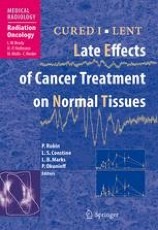
Late Effects of Cancer Treatment on Normal Tissues
Based on the LENT V NCI-sponsored meeting held in May 2004 and the CURED I conference held in 2006. It addresses a number of critical topics relating to late effects, such as mechanisms of injury, the role of screening, options for interventions, second malignancies, and prevention.

Kidney Diseases
Kidney diseases is a “hidden epidemic” affecting 850 million people worldwide. It occurs when the kidneys become damaged and can’t perform their function. Damage may be caused by diabetes, high blood pressure, and various other chronic conditions. Kidney diseases can lead to other health problems, including weak bones, nerve damage, and malnutrition. There are two main types of kidney diseases: short-term (acute kidney failure) and lifelong (chronic kidney failure). If the diseases get worse over time, the kidneys may stop working completely. This means that dialysis will be required to perform the function of the kidneys or kidney transplant. Dialysis is a treatment that filters and purifies the blood using a machine. It can’t cure kidney diseases, but it can prolong the life.
