



الصفحة 2
الصفحة 2

Nanotechnology in therapeutics : Basics and trends
Nanotechnology delivers a unique approach, which promises higher drug efficacy, targeted drug delivery, on demand delivery, biocompatibility, etc. For example, nanotechnology-based delivery systems can protect drugs from degradation and help reduce the number of doses required, make treatment a better experience and reduce treatment expenses and a number of nano-based systems allow delivery of insoluble drugs, allowing the use of previously rejected drugs or drugs which are difficult to administer.
Nanotechnology in endodontics : Current and potential clinical applications
Provides detailed information on the emerging applications of nanomaterials and nanoparticles within endodontics, highlighting the exciting potential clinical impact of nanotechnology in the field. The range of applications covered is diverse, encompassing drug and gene delivery, tissue engineering, antibacterial strategies, dentin tissue stabilization, dentin pulp regeneration and use in restorative and endodontic materials. Important scientific background information relating to each application is provided, with clear coverage of basic principles. In addition, potential pitfalls are identified and explained. The cytotoxicity of nanomaterials and nanoparticles is also addressed in a separate chapter. The book will be of value both for endodontic practitioners and for all scientists and graduate students who are interested in the application of nanotechnology in endodontics.

Nanotechnology for Oral Drug Delivery : From Concept to Applications
Discusses the current challenges of oral drug delivery, broadly revising the different physicochemical barriers faced by nanotechnolgy-based oral drug delivery systems, and highlighting the challenges of improving intestinal permeability and drug absorption. Oral delivery is the most widely used form of drug administration due to ease of ingestion, cost effectiveness, and versatility, by allowing for the accommodation of different types of drugs, having the highest patient compliance.

Nanotechnology for Microfluidics
The book focuses on microfluidics with applications in nanotechnology. The first part summarizes the recent advances and achievements in the field of microfluidic technology, with emphasize on the the influence of nanotechnology. The second part introduces various applications of microfluidics in nanotechnology, such as drug delivery, tissue engineering and biomedical diagnosis.

Nanotechnology based cosmetics
Explores the applications and advantages of nanotechnology-based cosmetic products compared to conventional formulations. It examines the principles and mechanisms of nanotechnology in enhancing cosmetic product efficacy, delivery, and performance. Key applications covered include nanoparticles for sunscreens, nanoencapsulation for controlled release, nanoemulsions, liposomes for targeted delivery, and antimicrobial nanoparticles. Analyzes case studies from major international cosmetic companies utilizing nanotechnology. It also discusses challenges like safety concerns, potential toxicity, regulations, labeling, consumer awareness, and environmental impact.

Nanotechnology and drug delivery : Principles and applications
Presents an overview of the rapidly developing field of nanotechnology applications in drug delivery systems and covers a variety of technologies and materials that help in achieving vast variation in the particle size needed in technology and drug delivery-based research. It discusses nanotechnology’s use in healthcare for the development of target-specific drug therapy and smart field systems and in the pharmaceutical industry to improve the quality, efficacy, and shelf life of medicines. Bringing together principles, theory, practice, and applications of nanotechnology.

Nanophytomedicine : An emerging platform for drug delivery
Covers recent advances in experimental and theoretical studies on various properties of nanoparticles derived from plant sources. This book assesses the recent advancements and applications of plant-based nanoparticles and also highlights emerging concepts of biomimetics. Contains 24 chapters encompassing various therapeutic applications of phytochemicals derived from plants, ferns, seaweeds, and so on, mediated through nanotechnology and its allied approaches. A fervent attempt has been made to compile every significant advancement in the field of phytonanomedicine so as to accelerate its momentum in the pharmaceutical sector.

Nanopharmaceuticals ; Vol.1 : Expectations and realities of multifunctional drug delivery systems
Reviews advances in the drug delivery field via nanovehicles or nanocarriers that offer benefits like targeted therapy and serves as a single dose magic bullet for multiple drug delivery with improved drug efficiency at a lower dose, transportation of the drug across physiological barriers as well as reduced drug-related toxicity. The chapters are written by a diverse group of international researchers from industry and academia. The series Expectations and Realities of Multifunctional Drug Delivery Systems examines the fabrication, optimization, biological aspects, regulatory and clinical success of wide range of drug delivery carriers. This series reviews multifunctionality and applications of drug delivery systems, industrial trends, regulatory challenges and in vivo success stories. Throughout the volumes discussions on diverse aspects of drug delivery carriers, such as clinical, engineering, and regulatory, facilitate insight sharing across expertise area and form a link for collaborations between industry-academic scientists and clinical researchers. Expectations and Realities of Multifunctional Drug Delivery Systems connects formulation scientists, regulatory experts, engineers, clinical experts and regulatory stake holders. The wide scope of the book ensures it as a valuable reference resource for researchers in both academia and the pharmaceutical industry who want to learn more about drug delivery systems.

Nanopharmaceuticals : Vol.3 : Principles and applications
Focuses on the recent advances of nanopharmaceuticals in cancer, dental, dermal and drug delivery applications and presents their safety, toxicity and therapeutic efficacy. The book also includes the transport phenomenon of nanomaterials and important pathways for drug delivery applications. It goes on to explain the toxicity of nanoparticles to different physiological systems and methods used to assess this for different organ systems using examples of in vivo systems.
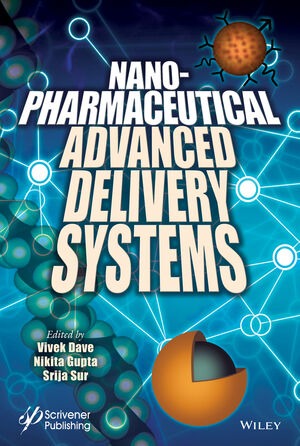
Nanopharmaceutical advanced delivery systems
Provides a single volume covering detailed descriptions about various delivery systems, their principles and how these are put in use for the treatment of multiple diseases. It is divided into four sections where the first section deals with the introduction and importance of novel drug delivery system. Deals with the most advanced drug delivery systems like microbubbles, dendrimers, lipid-based nanoparticles, nanofibers, microemulsions etc., describing the major principles and techniques of the preparations of the drug delivery systems. Elaborates on the treatments of diverse diseases like cancer, topical diseases, tuberculosis etc.

Nanoparticle-Based Drug Delivery in Cancer Treatment
Discusses nanotechnological developments of interfering RNA-based nanoparticles, delivery vehicles, and validated therapeutic RNAi–molecular target interactions and explains the results of clinical and preclinical trials. The book also gives strategies for universal methods of constructing hybrid organic–inorganic nanomaterials that can be widely applied in the biomedical field. Focuses on : Recent advances of nanoparticle-mediated siRNA delivery systems and their application in clinical trials for cancer therapy Material platforms that establish NPs and both localized and controlled gene silencing The most promising systems for clinical application Surveys progress in nanoparticle-based nanomedicine in cancer treatment The most advanced of the nonviral nanocarriers for delivery of oligonucleotides to malignant blood cancer cells

Nanoparticle-based cancer vaccines
Reviews the fundamentals of cancer vaccines, explores the role of nanotechnology in improving vaccine design and delivery, and evaluates current clinical applications, challenges, and regulatory considerations, highlighting the potential of nanoparticle-based cancer vaccines in future cancer treatment.

Nanomedicine : Innovations, applications, and breakthroughs in the quest for health and medicine's future
Revolutionizing healthcare, by providing innovative solutions to some of the most challenging issues in medicine. This book provides an in-depth overview of nanoscale materials and devices that are advancing diagnostics, therapeutics, and personalized care in medical field. It focuses on nanomedicine’s impact on vaccine efficacy as well as innovative diagnosis and therapy for various type of cancer while addressing concerns about safety and toxicity. It examines how nanotechnology is enhancing drug delivery by precisely targeting medicines to specific cells or tissues, thereby increasing treatment efficacy with reduced side effects. Explores how nanoparticles are advancing medical imaging for earlier and more accurate disease detection, and how nanosensors allow real-time biomarker monitoring for faster and more reliable diagnoses. Additionally, it explores nanomedicine's role in managing cardiovascular diseases, improving bone health through nano-extracellular vesicles, and regenerative medicine, including ongoing clinical trials and ethical considerations.
Nanomaterials in dental medicine
Presents varied clinical applications of nanomaterials in dentistry ranging from diagnostics to therapeutics. it discusses role of nanomaterials in clinical applications and future needs. Contributors are international luminaries in their respective research area. The topics covered in this book are role of nanomaterials in oral and dental diagnosis, dental disease prevention, pain free dentistry, dental implantology. It also discusses the therapeutic applications of nanoparticles in oral cancer therapy. This book will be a valuable reference for researchers, clinicians, students and professionals working in the areas of nanotechnology and health sciences. It will also be of interest to the students and researchers primarily working in the field of materials science, applied chemistry, applied physics, and biotechnology.
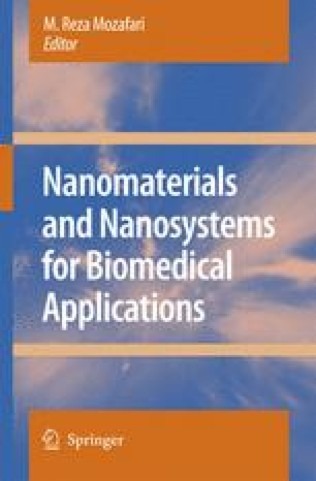
Nanomaterials and Nanosystems for Biomedical Applications
The book includes expert reviews on the advances and current problems associated with the implants and nanodevices along with their applications in medicine, pharmaceutics, cancer therapy, gene transfer and drug delivery. The editor, M. R. Mozafari (PhD), has been working in the field of nanobiotechnology for the past 14 years and has produced more than 60 publications.

Nanoformulations in Human Health: Challenges and Approaches
This book is an amalgamation of knowledge, experience, and expertise in various aspects of nanotechnology, by experts who are proficient in designing novel nanoformulations that are used in the treatment of various challenging and prevalent diseases. It is an exhaustive compilation of the multi-faceted arena of nanoformulations and the healthcare system that caters to the needs of academicians, scholars, researchers, etc. The most important aspect of the book covers various types of nanoformulations and their applications in the treatment of communicable and non-communicable diseases. Each chapter focuses on a particular nanoformulation as well as a disease including the pathophysiology of the disease, the current treatment modalities of diseases, the role of nanoformulation in treatment and other future aspects and directions for further work. Coverage includes neuropathic pain, colon targeting, nose-to-brain drug delivery, cancer, arthritis and tuberculosis.
Nanocarrier Technologies : Frontiers of Nanotherapy
Nanobiotechnology is one of the key technologies of the 21st century. It is a combination of nanoscience and biotechnology and covers areas ranging from gene transfer and nanoencapsulation to food technology. Nanocarriers are a leading nanobiotechnology tool with the ability to provide protection, site-specific delivery, enhanced bioavailability and controlled release of pharmaceuticals, genetic material, imaging agents, nutraceuticals and cosmetics to name a few. For this reason, the study of nanocarriers, their properties and applications has attracted a great deal of interest over recent years. Designed as an advanced survey of the field, this book describes the key research parameters of nanocarrier technologies including their preparation methods, evaluation of their safety and efficiency, their interaction with biologicals and their application in biotechnology, drug delivery, gene therapy and food technology areas.

Nanobiotechnology of Biomimetic Membranes
Nanobiotechnology of Biomimetic Membranes focuses on biomimetic membranes. The application of nanotechnology principles and methodology to problems in biotechnology provides an exciting new discipline that will generate a revolution of novel applications, across many disciplines. This valuable new title offers an international perspective on the development of biotechnology applications.

Nano physical pharmaceutics
Nanomedicine is an emerging and rapidly evolving field, which could significantly help in early disease diagnosis, therapeutic improvement, novel therapeutic modality development, and medical expenditure reduction. The challenge remains, however, that the specially designed and carefully synthesized nanomedicines function poorly in animal verification despite great performance in vitro. A deeper understanding of the physicochemical properties of nanomedicine is the key. This book applies physical theories and models to determine the parameters for controlling the physicochemical properties of nanomedicines, including micelles, liposomes, and inorganic nanoparticles. Qualitative and quantitative relationships are established to provide guidance for nanomedicine design, characterization, and analysis. The text also compiles cutting-edge research in nanomedicine from the interdisciplinary team of the Department of Nanomedicine at Naval Medical University, China, which is currently establishing the characteristic discipline called Nano Physical Pharmaceutics. Edited by Wei Li, a prominent nanotechnology researcher, this book will appeal to anyone involved in nanotechnology, medicine, macromolecular science, biology, chemistry, and especially those with an interest in drug delivery or cancer therapy.

Multimodal Concepts for Integration of Cytotoxic Drugs
The first part of this book summarizes the rationale and the preclinical data for combined treatment with ionizing radiation and pharmaceutical agents. Individual chapters focus on different forms of combined treatment, with due consideration being given to a range of drugs and to emerging combinations with small molecules and antibodies, derived from recent advances in molecular oncology. The second part of the book comprises a series of disease-specific chapters in which the clinical results of combined modality treatment are presented. In addition, the topics of acute and late toxicity, supportive treatment and tolerance in elderly patients are reviewed.
