



الصفحة 2
الصفحة 2
Medical image synthesis : Methods and clinical applications
Image synthesis across and within medical imaging modalities is an active area of research with broad applications in radiology and radiation oncology. This book covers the principles and methods of medical image synthesis, along with state-of-the-art research. First, various traditional non-learning-based, traditional machine-learning-based, and recent deep-learning-based medical image synthesis methods are reviewed. Second, specific applications of different inter- and intra-modality image synthesis tasks and of synthetic image-aided segmentation and registration are introduced and summarized, listing and highlighting the proposed methods, study designs, and reported performances with the related clinical applications of representative studies. Third, the clinical usages of medical image synthesis, such as treatment planning and image-guided adaptive radiotherapy, are discussed. Last, the limitations and current challenges of various medical synthesis applications are explored, along with future trends and potential solutions to solve these difficulties.

MDCT : A Practical Approach
Computed tomography (CT) is the most rapidly evolving medical imaging technology. This book describes current examination techniques and advanced clinical applications of state-of-the-art multidetector computed tomography (MDCT) scanners in chapters contributed by several distinguished radiologists and clinicians. Each chapter is written from a practical perspective so that radiologists, residents, medical physicists, and radiology technologists can obtain relevant information about MDCT applications in neuroradiology, cardiac imaging, chest, abdominal, and musculoskeletal radiology subspecialties. Each coauthor provides pertinent illustrations and tables for better understanding of current and advanced applications of MDCT scanners. Readers will benefit from the experience these authors describe in chapters on MDCT technology, contrast administration techniques, contrast adverse effects and their management, and advanced applications of MDCT.

Interceptive orthodontic treatment for general dentist
Interceptive orthodontic treatment is a critical component of early orthodontic care, aimed at identifying and addressing developing dentofacial problems during the mixed dentition phase. This project explores the principles, objectives, and clinical applications of interceptive orthodontics, including the management of space discrepancies, eruption disturbances, harmful oral habits, skeletal imbalances, and functional deviations. Emphasis is placed on diagnostic procedures.
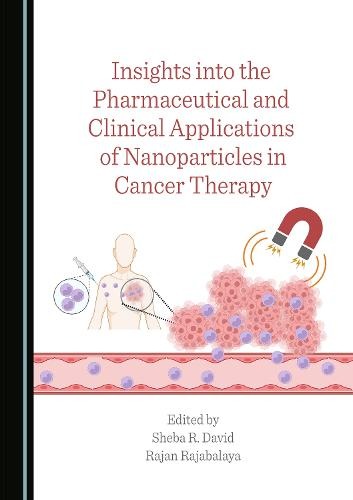
Insights into the pharmaceutical and clinical applications of nanoparticles in cancer therapy
Healthcare has long been on a quest for a ‘magic bullet’ to cure the dreaded disease cancer. As this book shows, nanoparticles perfectly fit the bill with their promising characteristics. Meticulously engineered nanostructures, with a useful drug or molecule, target a specific cancer in unique ways. However, as with many targeted systems, the effectiveness of the system needs to be weighed against the adverse effects. The toxicity of nanoparticles has been a worldwide concern, and evidence-based medicine analyses nanostructures for proof of safety and their efficacy in killing cancer cells. This book gives a fresh perspective on a wealth of diverse nanotechnological advances for various cancers.

Innovative Medicine : Basic Research and Development
Devoted to innovative medicine, comprising the proceedings of the Uehara Memorial Foundation Symposium 2014. It remains extremely rare for the findings of basic research to be developed into clinical applications, and it takes a long time for the process to be achieved. The task of advancing the development of basic research into clinical reality lies with translational science, yet the field seems to struggle to find a way to move forward. To create innovative medical technology, many steps need to be taken: development and analysis of optimal animal models of human diseases, elucidation of genomic and epidemiological data, and establishment of “proof of concept”.

Infection and Local Treatment in Orthopedic Surgery
The management of orthopedic infection is an area of growing importance in orthopedic surgery. This text provides a complete overview from basic research to clinical application and future perspectives in the treatment of orthopedic infection emphasising the role of local therapy. The unprecedented collection of experiences of the major experts in the field supplies the reader with long-awaited guidelines for treatment. Covering the various approaches to the treatment of orthopedic infections.

Illustrated Dental Embryology, Histology, and Anatomy
A full-color review of dental structures, Illustrated Dental Embryology, Histology, and Anatomy, 4th Edition provides a complete look at the development, cellular makeup, and morphology of the teeth and associated structures. A clear, reader-friendly writing style makes it easy to understand both basic science and clinical applications, putting the material into the context of everyday dental practice. New to this edition are updates on caries risk, safe levels of fluoride use, and prevention of periodontal disease.
Human Haptic Perception : Basics and Applications
Active touch perception – also known as haptic perception – is of primary importance for the planning, direction and execution of everyday actions. This most complex of human sensory systems is gaining ever more importance for various scientific disciplines as well as practical industrial applications.In this book an international team of 80 authors presents a comprehensive collection of writings on both aspects of research on human haptic perception. After a theoretical and historical introduction, the chapters are dedicated to neurophysiological basics as well as the psychological, clinical and neuropsychological aspects of haptic perception. Results of studies into human haptic perception in the fields of virtual haptics and robotics are also included. In the final section, contributions from the applied and industrial sectors illustrate the practical uses of knowledge about the human sense of touch.

High Field Brain MRI : Use in Clinical Practice
This book describes the development of systems of magnetic resonance imaging using the higher magnetic field strength of 3 tesla, in comparison to the current gold standard of 1.5 tesla. It is the first monography on high-field Brain MR in Neuroradiology
Hepatitis C Virus Disease
Emphasizes the most recent advances on the Hepatitis C virus infection (HCV) moving from basic research to clinical application. In spite of the numerous studies on HCV infection, its pathogenesis and medical treatment have not been fully explained. The first chapters of this volume analyize the full spectrum of immune responses to HCV taking into account either innate or adoptive immunity involvement. The volume also includes a series of contributions which explain the state of art of IFN-alpha treatment in HCV patients and the effectiveness of therapy also in relation to HCV genotypes. The use and applications of pegylated IFNs will also be discussed as well as the complicated HCV disease and its treatment. Hepatitis C Virus Disease: Immunobiology and Clinical Applications is an ideal volume for researchers, scientists, professionals, clinicians, physicians and graduate students in the fields of infectious disease, immunology, virology, microbiology, pharmacology and medicine.

Gentamicin : Biosynthesis, medicinal applications and potential side effects
Discusses the biosynthesis, medicinal applications and potential side effects of Gentamicin. Topics include Gentamicin used in combination therapy and applied to medicinal materials for clinical applications; use of natural products to enhance the antibiotic activity of Gentamicin and other aminoglycosides; regiospecific Gentamicin functionalization; Gentamicin and particle engineering; and the indications and adverse effects of Gentamicin.

General Principles of Tumor Immunotherapy : Basic and Clinical Applications of Tumor Immunology
Brings together the world’s leading authorities on tumor immunology. This book describes the basic immunology principles that form the foundation of understanding how the immune system recognizes and rejects tumor cells. The role of the innate and adaptive immune responses is discussed and the implications of these responses for the design of clinical strategies to combat cancer are illustrated through both experimental clinical trials and review of current standard of care therapeutic agents. This information will be invaluable to both students of immunology and cancer research and practicing physicians who have patients with cancer. The book provides a comprehensive overview of the field, demonstrates how advances in basic immunology can and are being applied to cancer, and describes the current status of approved immunotherapy regimens.

Gene delivery systems development and applications
Covers the development of gene therapy today, the technology involved, clinical applications of siRNA, non-viral vector-based mRNA delivery using nanotechnology, and RNA based vaccines for treating the infectious diseases. It also presents the current application of the CRISPR/Cas9 gene-editing technique which has revolutionized genome editing and which was awarded the 2020 Nobel Prize in Chemistry. Several new drug delivery systems are explored for the applications of gene therapy. These are found to be useful in treating chronic illnesses, including cancer and infectious diseases.

Fundamentals of x-ray imaging : Basic principles, quality control, clinical applications, and safety
Covers all X-ray modalities, including CT, mammography, fluoroscopy, dental radiography, and fusion imaging like PET-CT and SPECT-CT. It simplifies complex concepts for beginners while offering depth for advanced learners. Each chapter is engaging and addresses common questions from students and professionals.

Fundamentals of Clinical Data Science
This book comprehensively covers the fundamentals of clinical data science, focusing on data collection, modelling and clinical applications. Topics covered in the first section on data collection include: data sources, data at scale (big data), data stewardship (FAIR data) and related privacy concerns. Aspects of predictive modelling using techniques such as classification, regression or clustering, and prediction model validation will be covered in the second section. The third section covers aspects of (mobile) clinical decision support systems, operational excellence and value-based healthcare.

Functional MRI : Basic principles and clinical applications
This practical and timely volume presents an overview of the principles of fMRI and explains key concepts, including scanning methodologies, experimental research design, and data analysis. Informative discussions cover the technical and clinical challenges associated with fMRI. A neuroanatomical atlas adds to the sensible approach and serves as a useful reference by clearly illustrating normal functioning for important areas of the brain.
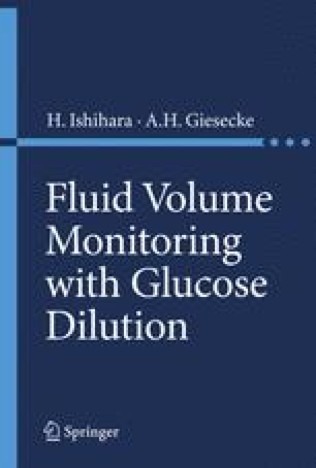
Fluid volume monitoring with glucose dilution
Decision making regarding fluid volume loading, fluid restriction, or administration of vasoactive drugs may vary among physicians, depending solely upon their clinical experience in the absence of evidence-based measurement. The initial distribution volume of glucose (IDVG) is believed to be clinically relevant as a marker of cardiovascular and fluid management in critically ill patients without a significant modification of glucose metabolism. This book covers all aspects of IDVG measurement, including the basic concept, its relationship with other fluid volumes, and the clinical application of this technique in the intensive care unit based on both the authors’ studies and their clinical experience with more than 4000 IDVG determinations. When the concept of IDVG is properly understood and its measurement is then performed routinely, daily fluid and cardiovascular management in critically ill patients can be improved based on evidence-based measurement.

Fluconazole : Pharmacology, clinical uses and health effects
Fluconazole is a triazole antifungal drug used in the treatment and prevention of superficial and systemic fungal infections. In this book, the authors present current research in the study of the pharmacology, clinical uses and health effects of fluconazole. Topics discussed include the utilization of fluconazole in adult intensive care units; the use of fluconazole in veterinary species and a description of variances from the human experience as well as findings in veterinary species which may have applicability in human medicine; common clinical uses and in vitro activity features on fluconazole; and the discovery and development of medically-important antifungal agents, particularly the azole derivatives and the development of fluconazole and its clinical applications.

Extra-coronal restorations : Concepts and clinical application
A clinical guide to contemporary materials and techniques for the restoration of individual teeth and implants. It fully reflects the important developments in the field over the past 15 years, including in particular the shift away from wholesale use of crowns towards adhesive dentistry and less invasive extra-coronal restorations. The book opens by considering the principles and evidence base relating to the longevity of restorations of teeth and implants. Importantly, it explains how to ensure "a healthy start" and manage future risks. Material choice and aesthetic issues are then discussed, before all aspects of the planning and provision of extra-coronal restorations are examined in depth. The coverage also includes the adaptation of crowns to existing partial dentures. In line with modern dental education, each chapter begins with clinically relevant learning objectives, and helpful clinical tips are highlighted.

Enhancing the Role of Ultrasound with Contrast Agents
This bookprovides an up-to-date overview on the clinical value of contrast agents in ultrasound. The volume moves from a background section on technique and methodology to the main sections on the clinical application of contrast ultrasound in the liver and in vascular diseases. A final section discusses results and prospects of contrast ultrasound modality in the other fields.
