



الصفحة 2
الصفحة 2

Ecological and Health Effects of Building Materials
Deals with the present adverse effects of using precarious building materials on the ecology and human health. Also, the detailed discussions on the novel and greener construction materials and their utilization as an alternative to the conventional harmful existing methods and materials are also presented in the subsequent chapters. This book helps to fill the research gaps in the existing prior-art knowledge in the field of sustainable construction and green building materials and methods giving due importance to ecology and health, specifically to the fields of sustainable structural engineering, sustainable geotechnical engineering, sustainable road engineering, etc.

Drying and wetting of building materials and components
Discusses important topics of heat and mass transfer in particulate materials Includes a set of new developments in the science of drying and wetting processes Fosters the encounter of a variety of scientific and engineering disciplines

Digital Technologies in Construction Engineering : Selected Papers
Includes the latest advances, innovations, and applications in the field of construction engineering, as presented by researchers and engineers at the Digital Technologies in Construction Engineering conference, held in Belgorod, Russia, on June 8-9, 2021. It covers highly diverse topics, including industrial and civil construction, building materials; environmental engineering and protection; sustainability; structure safety and special construction structures. The contributions, which were selected by means of a rigorous international peer-review process, highlight numerous exciting ideas that will spur novel research directions and foster multidisciplinary collaborations.

Development of geopolymer from pond ash-thermal power plant waste : Novel constructional materials for civil engineers
Demonstrates how to utilize fly ash/pond ash (waste materials from thermal power plants) to produce a novel material called 'Geopolymer' (GP). Red mud, slags, etc., are mixed with fly ash to produce GP with enhanced strength. As shown in a few European countries, GP can replace cement, and some permanent structures constructed with GP are now appearing in a few advanced countries. GP, and geopolymer concrete, is considered suitable for the construction of roads, buildings, etc., and will eventually, fully or partially, replace cement.

Designing with the wind : Climate-derived architecture
This book explores wind-adaptive architectural design blending the parametric design with digital simulations and suggests a novel approach for specific, even extreme conditions, as the first step in creating architecture that can act in response to the nature around. The chapters propose an urban and architectural design that emerges from the specific wind microclimate of the design site and responds to the changes in the ambient wind conditions. The book looks closely at A) the interdisciplinary wind-driven design method for architects, engineers, and urbanists employing open-source software for CFD analysis and B) the tensegrity-membrane adaptive building façades.

Designers' guide to EN1991-1-2, EN1992-1-2, EN1993-1-2 and EN1994-1-2 : Handbook for the fire design of steel, composite and concrete structures to the Eurocodes
The nature of the loading must first be understood before applying the structural engineering principles set out in the Eurocodes. For this reason this book is meant as a guide to four separate documents, EN1991 Part 1.2, EN1992 Part 1.2, EN1993 Part 1.2 and EN1994 Part 1.2 with reference where appropriate to the Eurocode covering the basis of design, EC06.

Cost-effective energy efficient building retrofitting : Materials, technologies, optimization and case studies
The building sector is responsible for high energy consumption and its global demand is expected to grow as each day there are approximately 200,000 new inhabitants on planet Earth. The majority of electric energy will continue to be generated from the combustion of fossil fuels releasing not only carbon dioxide, but also methane and nitrous oxide. Energy efficiency measures are therefore crucial to reduce greenhouse gas emissions of the building sector. Energy efficient building retrofitting needs to not only be technically feasible, but also economically viable. New building materials and advanced technologies already exist, but the knowledge to integrate all active components is still scarce and far from being widespread among building industry stakeholders.

Construction materials, methods, and techniques : Building for a sustainable future
Covers both traditional and contemporary materials, current industry standards and new and emerging technologies. The only text organized according to the Construction Specifications Institute (CSI) MasterFormat (R) standards, construction materials, methods and techniques: building for a sustainable future, fifth edition, features a reader-friendly style and logical structure, which follows the construction process step-by-step from project inception to completion. The new edition provides up-to-date coverage of dramatic changes underway in the construction industry, including advances in pre-fabricated construction; increased use of drones, robotics and artificial intelligence; net-zero buildings and lean construction. You'll learn about key current industry developments and standards, as well as latest relevant building codes, all presented within a dynamic, richly illustrated new design.

Construction materials, methods and techniques : building for a sustainable future
Explores the most up-to-date green and sustainable methods for residential and commercial building construction as well as the latest materials, standards, and practices. This book is organized based on the Construction Specifications Institute (CSI) Masterformat standards. Case Studies Clearly Illustrate The Value and Application Of Strategies and Techniques. Numerous, intriguing Case Studies, many of which have received a Green or LEED certification, demonstrate how the strategies, concepts and construction materials can be used for success in today's industry.
Construction Materials Manual
Until now, the few existing systematic texts on construction materials have primarily been directed at building engineers. An overview for architects, which also considers the importance of construction materials in the sensory perception of architecture—including tactile qualities, smell, color, and surface structure—has not been available. aims equally at the questions and perspectives of architects and building engineers, it will bring together all of the above-mentioned viewpoints. It addresses fundamental questions of sustainability, including life-span, environmental impact, and material cycles, while also presenting material innovations. All of the principal conventional and innovative construction materials are comprehensively documented, with attention to their production, manufacture, fabrication, treatment, surfaces, connections, and characteristics.

Construction materials : Their nature and behaviour
Provides an understanding of materials’ behaviour through knowledge of their chemical and physical structure. It covers the main classes of construction materials: metals, concrete, other ceramics (including bricks and masonry), polymers, fibre composites, bituminous materials, timber, and glass.

Constructing architecture : Materials, processes, structures, a handbook
This internationally prizewinning volume now appears in its second, revised and expanded edition. Since the first edition was published in 2005, it has been adopted as a textbook at many universities. Organized into chapters on ''Raw Materials/Building Materials (Modules),'' ''Building Components (Elements),'' ''Building Methods (Structures),'' and ''Buildings (Examples),'' the book now includes a new section on translucent materials and an article on the use of glass. The chapter on ''Building Elements'' now includes a discussion of facades, and the chapter on ''Structures'' has been expanded to cover ''Principles of Space Creation.'' The examples section now includes extensive documentation of current projects whose systematic character is oriented around the production process.
Materials for civil and construction engineers in SI Units
For courses in Civil Engineering Materials, Construction Materials, and Construction Methods & Materials offered in Civil, Environmental, or Construction engineering departments. Civil and Construction Engineering Materials: Properties, Uses, and Evaluations Materials for Civil and Construction Engineers helps students understand and select the materials involved in supporting the infrastructure needs of society--from buildings, to water and treatment distribution systems, to dams, highways, and airport pavements. By gaining a deep understanding of material behavior and the material selectio
Materials and meaning in architecture : Essays on the bodily experience of buildings
Interweaving architecture, philosophy and cultural history, Materials and Meaning in Architecture develops a rich and multi-dimensional exploration of materials and materiality, in an age when architectural practice seems otherwise preoccupied with image and visual representation.
Materials and Interior Design - Portfolio Skills
Examines every aspect of the the use of materials in interior design, from initial concept and selection to visual representation and practical application.
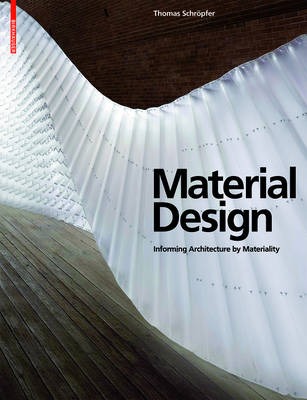
Material Design : Informing Architecture by Materiality
The approach of Material Design opens the way to an innovative use of materials in the design professions. Taking material qualities and properties such as texture, elasticity and transparency as a point of departure, the book describes a multitude of material operations, like folding and bending, carving and cutting, weaving and knitting, mirroring and screening.

Manual of Structural Design : Structural Principles - Suitable Spans - Inspiring Works - DETAIL Construction Manuals
Goes beyond material confines and showcases suitable construction principles for different building tasks. Classical masterpieces and outstanding current projects are used to demonstrate the potentials of structural systems for various building tasks and consider alternatives. Easy-to-compare structural principles offer a basis for a common level of communication in an interdisciplinary planning process.
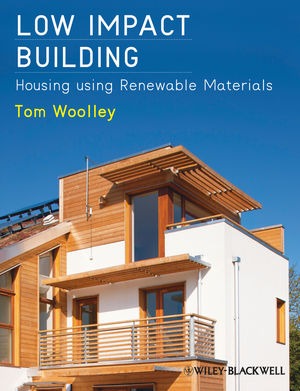
Low impact building : Housing using renewable materials
Guides to the designs, technologies and materials that really make green buildings work will help architects, specifiers and clients make informed choices, based on reliable technical information. Low Impact Building: Housing using Renewable Materials is about changing the way we build houses to reduce their 'carbon' footprint and to minimise environmental damage. One of the ways this can be done is by reducing the energy and environmental impact of the materials and resources used to construct buildings by choosing alternative products and systems. In particular, we need to recognise the potential for using natural and renewable construction materials as a way to reduce both carbon emissions but also build in a more benign and healthy way.

Light earth building : a handbook for building with wood and earth
Light clay, which is light in weight and easy to work, is presented here as a versatile and forward-looking building material for modern computer-aided timber construction and the renewal of historic timber-framed buildings with clay infill. The balanced building physics properties of the material, which can be controlled through the mixing proportions, make it suitable for resource-efficient building in various different climate zones. Thermal storage, sound insulation, protection against moisture and fire in conventional timber construction are improved, and the construction is simplified.
Composites for building assembly : connections, members and structures
Pesents buildings developed using modular assembly approaches based on lightweight and corrosion-resistant fiber reinforced polymer (FRP) composites. Construction methods and the choice of building materials offer great opportunities for more productive and environmentally friendly solutions. This book includes valuable experimental data on large-scale structural components (beams, slabs, amd columns), connections (shear connections, wall stud connections, beam-column connections, column-column connections) and structures (composite floor system, structural sandwich assemblies, and full-scale structural demonstrations), supported with detailed numerical modelling and analytical methods.
