



الصفحة 2
الصفحة 2

Nanobiosensors : From design to applications
Nanobiosensors - From Design to Applications covers several aspects of biosensors beginning from the basic concepts to advanced level research. It will help to bridge the gap between various aspects of biosensors development technology and applications. It covers biosensors related material in broad spectrum such as basic concepts, biosensors & their classification, biomarkers & their role in biosensors, nanostructures-based biosensors, applications of biosensors in human diseases, drug detection, toxins, and smart phone based biosensors.

Mycorrhizae : Sustainable Agriculture and Forestry
This book discusses and goes into detail on a number of topics: the molecular basis of nutrient exchange between arbuscular mycorrhizal (AM) fungi and host plants; the role of AM fungi in disease protection, alleviation of soil stresses and increasing grain production; interactions of AM fungi and beneficial saprophytic mycoflora in terms of plant growth promotion; the role of AM fungi in the restoration of native ecosystems; indirect contributions of AM fungi and soil aggregation to plant growth and mycorrhizosphere effect of multitrophic interaction; the mechanisms by which mycorrhizas change a disturbed ecosystem into productive land; the importance of reinstallation of mycorrhizal systems in the rhizosphere is emphasized and their impact on landscape regeneration, and in bioremediation of contaminated soils; Ectomycorrhizae (ECM) and their importance in forest ecosystems and associations of ECM in tropical rain forests function to maintain tropical monodominance; in vitro mycorrhization of micro-propagated plants, and visualizing and quantifying endorhizal fungi; the use of mycorrhizae, mainly AM and ECM, for sustainable agriculture and forestry.

Mycorrhiza : State of the Art, Genetics and Molecular Biology, Eco-Function, Biotechnology, Eco-Physiology, Structure and Systematics
This third updated and revised edition emphasises strongly on genetics and molecular biology. It contains new chapters, which are written by the leading experts in their respective field of knowledge and expertise.Mycorrhizas are symbioses between fungi and the roots of higher plants. As more than 90% of all known species of plants have the potential to form mycorrhizal associations, the productivity and species composition and the diversity of natural ecosystems are frequently dependent upon the presence and activity of mycorrhizas. The biotechnological application of mycorrhizas is expected to promote the production of food while maintaining ecologically and economically sustainable production systems.

Multifunctional systems for combined delivery, biosensing and diagnostics
Multifunctional Systems for Combined Delivery, Biosensing, and Diagnostics explores how multifunctional nanocarriers are being used in combined delivery and diagnostics in contemporary medicine. Particular attention is given to efforts to i) reduce the side effects of therapeutic agents, ii) increase the pharmacological effect, and iii) improve aqueous solubility and chemical stability of different therapeutic agents. The chapters focus on applications of nanostructured materials and nanocarriers, highlighting how these can be used effectively in both diagnosis and delivery.

Multichain Immune Recognition Receptor Signaling : From Spatiotemporal Organization to Human Disease
The central idea of this book is to show that the structural similarity of the MIRRs determines the general principles underlying MIRR-mediated transmembrane signaling mechanisms and also provides the basis for existing and fixture therapeutic strategies targeting MIRRs. The reviews assembled in this book detail the prog-ress in defining and controlling the spatiotemporal organization of key events in immune cell activation. An improved understanding of MIRR-mediated signaling has numerous potential practical applications, fi-om the rational design of drugs and vaccines to the engineering of cells for biotechnological purposes.

MSCs and Innovative Biomaterials in Dentistry
Presents the modern concepts of mesenchymal stem cells (MSCs) and biomaterials as they pertain to the dental field. The book is organized around three main topics: MSCs biology, advanced biomaterials, and clinical applications. The chapters present basic information on stem cell biology and physiology, modern biomaterials that improve bone tissue regeneration, the biomatrices like platelet-rich fibrin (PRF) used to functionalize the biomaterials surface, the strategic and safe intraoral seats of harvesting, the new sources for MSCs, as well as the future perspectives and new challenges in these exciting fields.

Molluscs : From Chemo-ecological Study to Biotechnological Application
Marine molluscs are very promising candidates for a wide range of biotechnological applications. For example, they possess analgesic drugs more potent than morphine and very effective anticancer agents. The present book gives an up-to-date overview of the main classes of bioactive compounds from molluscs, moving from ecological observations, to chemical characterization, to biosynthesis, to large-scale synthesis, and to pharmacological applications. A truly outstanding international panel of experts from all continents provides complete coverage of the most stimulating topics related to molluscs. This knowledge of their history and current studies provides an open door to the future.

Molecular Technology ; Vol.2 : Life Innovation
Interdisciplinary and application-oriented, this ready reference focuses on methods and processes with a high practical aspect, covering new trends in drug delivery, in-vivo analysis, structure formation and much more.

Molecular Paradigms of Infectious Disease : A Bacterial Perspective
This comprehensive volume, written by leading authors in the field, provides a fundamental understanding of the complex cellular and molecular processes that are important for bacterial virulence and the infectious disease process. Written in a clear and engaging manner, the book highlights key techniques and methodologies that have driven recent discoveries in bacterial pathogenesis, major structures and mechanisms in bacteria that are important for the pathogenesis of these organisms, the regulation of these virulence determinants by global regulators, and bacterial biowarfare agents. Molecular Paradigms of Infectious Disease: A Bacterial Perspective is an ideal book for students, microbiologists, immunologists and scientists and researchers of bacterial pathogenesis.

Molecular Marker Systems in Plant Breeding and Crop Improvement
Successful release of new and better crop varieties increasingly requires genomics and molecular biology. This volume presents basic information on plant molecular marker techniques from marker location up to gene cloning. The text includes a description of technical approaches in genome analysis such as comparison of marker systems, positional cloning, and array techniques in 19 crop plants. A special section focuses on converting this knowledge into general and specific breeding strategies, particularly in relation to biotic stress. Theory and practice of marker assisted selection for QTL, gene pyramiding and the future of MAS are summarized and discussed for maize, wheat, and soybean. Furthermore, approaches in silviculture on the examples of Fagus, Populus, Eucalyptus, Picea and Abies are presented. The volume ends with a comprehensive review of the patents relevant for using molecular markers and marker assisted selection.
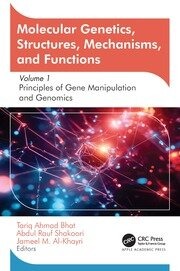
Molecular genetics, structures, mechanisms, and functions : Principles of gene manipulation and genomics ; Vol.1
Provides an overview of the future of genetic engineering and delves into the role of biotechnology and its applications in genetic engineering. It discusses the tools of recombinant technology, which have brought about revolution in our understanding of various complex biological phenomena. Chapters cover mutagenesis, construction, and sequencing of DNA libraries along with applications of genetic engineering for improving health, preventing genetic diseases, enhancing food resources, managing environmental bioremediation, and more. Topics include genetic engineering tools for restriction enzymes and vectors, gene and cell division, mutation detection and screening in plants, population genetics, sexuality in bacteria, and more. Several chapters focus on the tools of recombinant technology, such as restriction enzymes, vectors, etc., that have paved the way for creating organisms of choice and opened new horizons in the field of medicine, agriculture, and industry for human welfare.
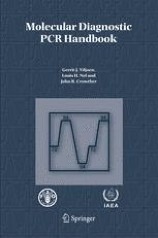
Molecular Diagnostic PCR Handbook
PREFACE The Joint FAO/IAEA Division of Nuclear Techniques in Food and Agriculture is involved in agricultural research and development and assists Member States of FAO and IAEA in improving strategies to ensure food security through the use of nuclear techniques and related biotechnologies, where such techniques have a valuable and often unique role. In particular, molecular diagnostic methods have rapidly evolved in the past twenty years, since the advent of the Polymerase Chain Reaction (PCR). They are used in a wide range of agricultural areas such as, improving soil and water management; producing better crop varieties; diagnosing plant and animal diseases; controlling insect pests and improving food quality and safety. The uses of nucleic acid-directed methods have increased significantly in the past five years and have made important contributions to disease control country programmes for improving national and international trade. These developments include the more routine use of PCR as a diagnostic tool in veterinary diagnostic laboratories. However, there are many problems associated with the transfer and particularly, the application of this technology. These include lack of consideration of: the establishment of quality-assured procedures, the required set-up of the laboratory and the proper training of staff. This can lead to a situation where results are not assured. This book gives a comprehensive account of the practical aspects of PCR and strong consideration is given to ensure its optimal use in a laboratory environment. This includes the setting-up of a PCR laboratory; Good Laboratory Practice and standardised of PCR protocols.

Molecular Basis of Thyroid Cancer
Molecular Basis of thyroid Cancer brings together top-flight experts from across the globe to consider present state of the art treatment and techniques and what the future holds. The product of this effort is invaluable to endocrinologists, particularly those with an interest in the thyroid, molecular oncologists, nuclear medicine physicians and those in biotechnology intent on devising innovative therapies for cancer. "Significant advances in our understanding of thyroid cancer have occurred over the previous decade. This text discusses the molecular alterations and pathologic manifestations seen in this disease. Distinguished investigators address both the basic biology and clinical issues pertinent to our understanding and management of patients with thyroid cancer."

Modern aspects of pharmaceutical quality assurance : developing and proposing application models, SOPs, practical audit systems for pharma industry
Aims to develop a tool that will substantially decrease the number of Inspectional Observations and Warning letters, thus eliminating Import Alerts and Consent Decree. This book targets the Pharmaceutical Industry and students of Pharmaceutical Quality Assurance so they can get in hand-ready consolidated information on Pharmaceutical Quality guidelines, Quality metrics, and implementation of simplified SOP guidelines, plant layouts to implement Quality metrics for Pharmaceutical Manufacturing systems in tablets, capsules, liquid orals, and semi-solid dosage forms.

Modelling and Optimization of Biotechnological Processes : Artificial Intelligence Approaches
The book begins with a historical introduction to the field of bioprocess control based on artificial intelligence approaches, followed by two chapters covering the optimization of fed-batch culture using genetic algorithms. Online biomass soft-sensors are constructed in Chapter 4 using recurrent neural networks. The bioprocess is then modelled in Chapter 5 by cascading two soft-sensor neural networks. Optimization and validation of the final product are detailed in Chapters 6 and 7. The general conclusions are drawn in Chapter 8.
Microscopy Techniques
Light Microscopy has returned to fashion through the synergy of green fluorescent protein and a clutch of techniques involving some permutation of lasers, mathematics and acronyms, which offer the prospect of watching biological molecules at work inside living cells. This volume provides an introduction to these techniques … . this volume will be a longer-term reference for anyone who wants to understand how these methods actually work. In this respect it is excellent.

Microorganisms in the deterioration and preservation of cultural heritage
This book offers a comprehensive overview of the role and potential of microorganisms in the degradation and preservation of cultural materials (e.g. stone, metals, graphic documents, textiles, paintings, glass, etc.).
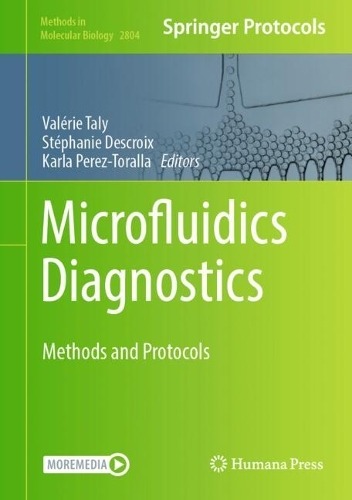
Microfluidics diagnostics : Methods and protocols
Explores a wide range of microfluidic-based approaches that exploit the unique features of microfluidic devices, which hold significant potential in the field of diagnosis. Beginning with a section on microchips for sample preparation, including cell-free DNA, exosomes, and cells, the book continues by covering protein marker analysis and detection, single-cell analysis, analysis of bacteria and viruses, as well as human cell-based culture and analysis. Written for the highly successful Methods in Molecular Biology series, chapters include introductions to their respective topics, lists of the necessary materials and reagents, step-by-step and readily reproducible laboratory protocols, and tips on troubleshooting and avoiding known pitfalls.

Microbiomes and emerging applications
Covers a range of important topics and recent advances in metagenomics, microbiomes and their emerging applications, including microbiota transplantation and its health implications. It also discusses microbiome composition and development in humans. The contributors of this volume provide detailed information on prebiotics and probiotics for enhanced human health. They also introduce microbiomes as the next frontiers in medicine, agriculture, industry and environment. A chapter is presented that discusses probiotic research studies in Nigeria and Canada that led to the discovery of Lactobacillus pentosus KCA1. The book contains timely knowledge and will be useful reference material for scientists and researchers working in the fields of food and agricultural biotechnology, biopharmaceuticals and medical biotechnology, fermentation technology, environmental biotechnology, microbiomes and microbial biotechnology and health care.

Microbial Siderophores
"Microbial Siderophores" presents an up-to-date overview of the chemistry, biology and biotechnology of these iron chelators. Following an introduction to the structure, functions and regulation of fungal siderophores, several chapters focus on siderophores of pseudomonads. Here, the technique of siderotyping, which has proved to be a rapid, accurate and inexpensive tool for pseudomonad characterization and identification, is described.
