



الصفحة 17
الصفحة 17

Brodmann's : Localisation in the Cerebral Cortex
It is one of the major "classics" of the neurological world. Even today it forms the basis for so-called "localisation" of function in the cerebral cortex. Brodmann's "areas" are still used to designate functional regions in the cortex, the part of the brain that brings the world that surrounds us into consciousness, and which governs our responses to the world. For example, we use "area 4" for the "motor" cortex, with which we control our muscles, "area 17" for "visual" cortex, with which we see, and so on. This nomenclature is used by neurologists and neurosurgeons in the human context, as well as by experimentalists in various animals. Indeed, Brodmann's famous "maps" of the cerebral cortex of humans, monkeys and other mammals must be among the most commonly reproduced figures in neurobiological publishing. The most famous of all is that of the human brain. There can be few textbooks of neurology, neurophysiology or neuroanatomy in which Brodmann is not cited, and his concepts pervade most research publications on systematic neurobiology.

Breast MRI : Diagnosis and Intervention
This superbly illustrated practical guide is an excellent resource on all aspects of breast MRI for practicing radiologists, oncologists, and surgeons, as well as residents and fellows. Drs. Elizabeth Morris and Laura Liberman, two experts in the field from the Memorial Sloan-Kettering Cancer Center, have collaborated with colleagues from their institution and selected medical centers to share their expertise. Introductory chapters are devoted to diagnosis and cover the basics of performing breast MRI exams, setting up a breast MRI program, and understanding clinical indications. Additional chapters discuss breast interventional procedures including MRI-guided needle localization, MRI-guided biopsy, and percutaneous ablation of breast cancer; MRI of breast implants.
Breast cancer research and treatment : innovative concepts
Focuses on innovative treatment options for breast cancer, including surgery, radiotherapy, systemic therapy and of course immunotherapy that is changing outcomes in some aggressive breast cancer histotypes. Subsequent chapters also address the ongoing emerging research in the screening, diagnostics, and management of all subtypes of breast cancers. All current landscapes and future perspectives in each molecular subtype: luminal, HER2-positive, and triple-negative breast cancers are discussed within the different chapters. Breast cancer is still the most common cancer and cause of cancer deaths among women worldwide. The improvement of breast cancer outcome appears to be strictly related to the validation of precise biomarkers that enable us to better select personalized approaches in breast cancer management. The closing chapters deal with the challenges of low income countries of conducting research in the era of precision medicine for cancer. The book is edited and authored by leading experts in this field and will be of interest for clinicians and scientists alike

Breast Cancer Management and Molecular Medicine : Towards Tailored Approaches
This book provides an overview of the most recent techniques, agents and approaches for breast cancer that contribute to the individualization of treatment. Current biomedical research focuses on facilitating the transfer of molecular biology knowledge into the clinical management of patients, leading to increased survival as well as improved quality of life. Particular attention is given in this book to organ-specific tailored approaches, specific populations, patients’ preferences and rehabilitation.

Breast cancer ; 2nd ed.
This book highlights M. D. Anderson Cancer Center’s multidisciplinary approach and reviews the entire spectrum of patient care, from prevention and screening through diagnosis and treatment through posttreatment follow-up and survivorship issues.

Brain thoughts recognition
Humans controlling machines with their minds may sound like something from a scifi movie, but it’s becoming a reality through brain-computer interfaces BCI. Where BCI technology allows a human brain and an external device to talk to each other—to exchange signals. It gives humans the ability to directly control machines, without the physical constraints of the body. There are two ways to implement the BCI: Noninvasive tools often use sensors applied on or near the head to track and record brain activity, or Invasive BCI would require surgery. Electronic devices would need to be implanted beneath the skull, directly into the brain, to target specific sets of neurons. In order to implement a non-invasive BCI in a mobile phone, this study developed a mobile application to help paralyzed people who do not have the ability to use their phones to spend their basic daily needs, such as using the keyboard and interacting with PDF, etc.

Brain Metastases
Brain metastases are the most dreaded complication of systemic cancer, affecting approximately 170,000 people a year, a far greater incidence than primary brain tumors. Advances in modern chemotherapy have led to an improved control of system cancers, often with agents that poorly penetrate the central nervous system, resulting in an increasing incidence of brain metastases. Traditional chemotherapy has had little impact on brain metastases. The main therapeutic option is radiation therapy, and in a small number of patients - surgery. However, refinements in all of these treatments offer some positive outcomes and an increased ability to stratify patients based on certain criteria.

Botulinum Toxin Treatment in Surgery, Dentistry, and Veterinary Medicine
This book provides up-to-date information on botulinum toxin therapy in surgical fields. It is also the only book in the market that provides information on botulinum toxin therapy in dentistry and veterinary medicine and furnishes the latest information.
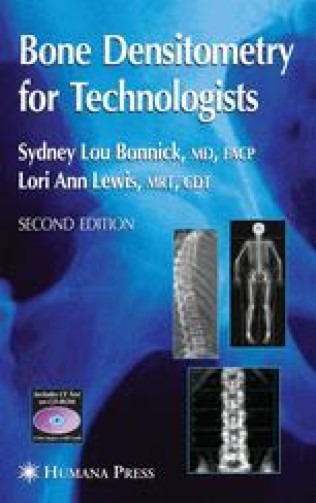
Bone densitometry for technologists
Radiologic technologists, nurse practitioners, physician assistants, and dedicated densitometry technologists can find new guidelines for bone density testing, new therapies for osteoporosis, and new treatment guidelines for osteoporosis, as well as new chapters on pediatric densitometry body composition assessments, and the use of skeletal morphometry in diagnosis and fracture risk prediction. The twelve appendices have also been updated to reflect the most current information available, including contacts for densitometry equipment manufacturers and organizations, guidelines for bone density testing and CPT codes, definitions of terms, and new conversion equations.

Bone augmentation in implant dentistry : A step-by-step guide to predictable alveolar ridge and sinus grafting
Implant dentistry has evolved tremendously over the past three decades and is rapidly progressing as new materials and protocols become available each year. With the number of advancements made in digitally based media and marketing, it is imperative that the clinician is able to separate new trends from evidence-based protocols to make sound and predictable choices for the ultimate benefit of patients. This textbook presents cases from the author's 35-year practice to show the successes and failures of various treatment approaches and protocols. Early chapters discuss the relevant biomaterials and instruments utilized for bone augmentation protocols, including barrier membranes, bone grafting materials, and growth factors. Surgical chapters dedicated to extraction socket management, alveolar ridge augmentation, and sinus grafting follow, each chapter detailing specific indications and patient selection criteria as well as step-by-step surgical procedures, aspects of postoperative treatment, and complications. The final chapter focuses on full-arch reconstruction using fully guided immediate reconstruction protocols. The author's teaching institute is credited with preparing some of the world's best clinicians, and this book will pave the way for countless more.
Biophotonics
More profound understanding of the nature of light and light-matter interactions in biology has enabled many applications in the biology and medical fields. So a new discipline is born, namely biophotonics. The aim of this book is to review the current state-of-the-art of the field by means of authoritative chapters written by the world leaders of the respective fields. Biosensors, biochips, optical tomography, optical microsurgery, photodynamics therapy, bioactivation of gene, photobiology of skin, and nanobiophotonics are each introduced and recent advances presented. This book will be useful not only to physicians, biologists, physicists, chemists, materials scientists, and engineers but also to graduate students who are interested in these rapidly developing fields.

BioMEMS and biomedical nanotechnology ; Vol. III : Therapeutic Micro/Nanotechnology
The human body is composed of structures organized in a hierarchical fashion: from biomolecules assembled into polymers, to multimeric assemblies such as cellular or-ganelles, to individual cells, to tissues, to organ systems working together in health and disease- each dominated by a characteristic length scale. Decades of science and engineer-ing are now converging to provide tools that enable the orderly manipulation of biological systems at previously inaccessible, though critically important, length scales (<100 mi-crons). Thus, the approaches described in this volume provide a snapshot of how micro-and nanotechnologies can enable the investigation, prevention, and treatment of human disease.The volume is divided into three parts. The first part, Cell-based therapeutics; cov- ers the merger of cells with micro- and anosystems for applications in regenerative medicine spanning the development of novel nanobiomaterials.
Biomedical Simulation ; 3rd International Symposium, ISBMS 2006, Zurich, Switzerland, July 10-11, 2006, Proceedings
This book contains the written contributions to the Third International Sym- sium on Biomedical Simulation (ISBMS), which was held in Zurich, Switzerland, on July 10-11, 2006. The manuscripts are organized around three thematic sections which cover several of the major aspects of our rapidly growing ?eld: anatomical modeling and tissue properties, simulation of biophysical processes, as well as systems and applications. The symposium provided an international forum for researchers interested in using biomedical simulation technology for the improvement of patient care. It was held in the spirit and continuation of the symposia on Surgical Simulation and Soft Tissue Modeling (IS4TM) organized in 2003 by INRIA, and on Medical Simulation (ISMS) in 2004 by CIMIT.

Bioceramics and alternative bearings in joint arthroplasty ; 12th BIOLOX® Symposium Seoul, Republic of Korea September 7 - 8, 2007. Proceedings
th ® Dear Colleague and Participant of the 12 International BIOLOX Symposium ® It is an honor for CeramTec to have the BIOLOX Symposium in Asia. The selection of Seoul, Korea as the site was a difficult one due to the fact that there are many wonderful location options in this dynamic and fast growing region of the world. The selection was made easier by the outstanding support of our Symposium Chairman, Prof. Chang, as well as the excellent airline service and meeting facilities present in Seoul. We hope that conducting the Symposium in this region will serve as a foundation for the increased recognition of the potential patient benefits to be derived from the use of ceramics and other alternative bearing technologies in Korea, China, India, Japan and the rest of the countries of the region.

Bioceramics and alternative bearings in joint arthroplasty ; 11th BIOLOX Symposium. Proceedings
Presents the source of scientific and clinical information regarding the use of ceramics and other alternative bearings in joint replacement surgery. This book presents the proceedings of a Symposium that pays tribute and recognition to the many innovations and contributions that have been developed by the Italian Orthopedic Surgical Community.

Bioceramics and alternative bearings in joint arthroplasty ; 10th BIOLOX Symposium. Washington D.C., June 10-11, 2005. Proceedings
This group accomplishment has been made possible by the superb cooperation received from the speakers in sending us their manuscripts on a timely basis as well as by the supporting staff at both CeramTec and at the Publishing House in executing all of the details needed. We specially extend our most heartfelt thanks to the Scientific Committee for their assistance in evaluating and selecting the submissions as well as developing the Symposium program. We are more convinced than ever that the proceedings of this Symposium are a continuation of CeramTec's tradition of providing all members of the orthopedic surgical community with a valuable addition to your reference libraries. We hope that this book will present you with the latest and most up to date source of scientific and clinical information regarding the use of ceramics and other alternative bearings in joint replacement surgery.

Bioactive composite (cention N) : Sensitivity and microleakage
Recently, a new direct tooth-coloured, bulk-fill, and aesthetic restorative material, Cention N, was developed. This material presents with good mechanical properties and long-term stability due to the crosslinking of methacrylates in the final restoration hence it can be used in load-bearing areas. This graduation project provides an update on the composition and properties of Cention N restorative material, and evaluate the microleakage of Cention-N with Nano-Hybrid composite.

Biliary Lithiasis : Basic Science, Current Diagnosis and Management
The book provides an overview on biliary lithiasis and all its clinical pictures, twenty years after the first laparoscopic cholecystectomy. The gallbladder, the main bile duct and intra-hepatic stones, in their uncomplicated and complicated forms are illustrated.
Belly-Rippers, surgical innovation and the ovariotomy controversy
This open access book looks at the dramatic history of ovariotomy, an operation to remove ovarian tumours first practiced in the early nineteenth century. Bold and daring, surgeons who performed it claimed to be initiating a new era of surgery by opening the abdomen. Ovariotomy soon occupied a complex position within medicine and society, as an operation which symbolised surgical progress, while also remaining at the boundaries of ethical acceptability. This book traces the operation’s innovation, from its roots in eighteenth-century pathology, through the denouncement of those who performed it as ‘belly-rippers’, to its rapid uptake in the 1880s, when ovariotomists were accused of over-operating. Throughout the century, the operation was never a hair’s breadth from controversy.

Bell's oral and facial pain
Includes advanced understanding of the neurophysiology and central processing of pain and the resulting changes to diagnostic, classi cation, and treatment guidelines. To assist clinicians in the dif cult and often complicated task of managing patients suffering from oral and facial pain, this textbook provides documented information concerning pain and pain behavior so that one may better understand what pain is, how it behaves, and how it might best be managed; develops a useful classi cation of orofacial pain disorders; offers practical diagnostic criteria by which the different orofacial pain disorders can be identi ed on a clinical level; and suggests guidelines for the effective management of patients who suffer from pain in the region of the mouth and face.
