



الصفحة 16
الصفحة 16
Journal on Data Semantics IV
• Semantics in data visualization • Semantic services for mobile users • Supporting tools • Applications of semantic-driven approaches These topics are to be understood as specifically related to semantic issues. Contributions submitted to the journal and dealing with semantics of data will be considered even if they are not within the topics in the list. While the physical appearance of the journal issues is like the books from the we- known Springer LNCS series, the mode of operation is that of a journal. Contributions can be freely submitted by authors and are reviewed by the Editorial Board. Contributions may also be invited, and nevertheless carefully reviewed, as in the case for issues that contain extended versions of the best papers from major conferences addressing data semantics issues. Special issues, focusing on a specific topic, are coordinated by guest editors once the proposal for a special issue is accepted by the Editorial Board. Finally, it is also possible that a journal issue be devoted to a single text.
Computational biology in drug discovery and repurposing
Takes an in-depth look at the emerging and prospective field of computational biology and bioinformatics, which possesses the ability to analyze large accumulated biological data collected from sequence analysis of proteins and genes and cell population with an aim to make new predictions pertaining to drug discovery and new biology. The book explains the basic methodology associated with a bioinformatics and computational approach in drug designing. It then goes on to cover the implementation of computational programming, bioinformatics, pharmacophore modeling, biotechnological techniques, and pharmaceutical chemistry in designing drugs. The major advantage of intervention of computer language or programming is to cut down the number of steps and costs in the field of drug designing, reducing the repeating steps and saving time in screening the potent component for drug or vaccine designin
Computable Models of the Law : Languages, Dialogues, Games, Ontologies
This book originate from a workshop held at the European University Institute of Florence, Italy, in December 2006. The workshop was devoted to the discussion of the different ways of understanding and explaining contemporary law, for the purpose of building computable models of it -- especially models enabling the development of computer applications for the legal domain.

Communications and Discoveries from Multidisciplinary Data
In this book, we aim at urging the development of data-based methods and methodologies for interdisciplinary and creative communications for solving emerging social problems. The reader shall view the direction to combine three methodological frameworks: data mining, data sharing, and communication in the contexts of sciences and businesses.

Clinical metabolomics applications in genetic diseases
Helps readers discover the forefront of personalized medicine on clinical metabolomics and its applications in genetic diseases. This comprehensive guide offers a functional relationship map between cell components and genetic variations in various diseases, providing insights that can be applied to personalized medicine. Covers the latest developments in metabolomics for health, with practical guidance for clinical experts looking to advance their laboratory techniques and career. The metabolomics profile is a powerful tool that has revolutionized our understanding of the relationship between genetics, clinical readouts, and disease outcomes. By integrating metabolomics with genomics and clinical phenotypes, the authors have developed diagnostic and prediction models that have vastly improved patient outcomes and deepened the understanding of disease mechanisms.

Clinical biochemistry and drug development : From fundamentals to output
Focuses on clinical biochemistry fundamentals, cell culture techniques, and drug discovery and development concepts. It deals with three different fields of clinical research: cell culture, clinical biochemistry, and drug discovery and development.

Click chemistry
In chemical synthesis, click chemistry is a class of simple atomic economy reactions commonly used to join two selected molecular entities. Click chemistry is not one specific reaction, but describes a method for generating products that follow examples in nature, which also generates substances by joining small modular units. In many applications, click interactions that join a biomolecule and a reporter molecule. Click chemistry is not limited to biological conditions: the concept of a 'click' reaction has been used in protein chemistry, pharmacokinetics, and many biomimetic applications. However, they have been made remarkably useful in the discovery, localization and qualification of biomolecules.

Classification and Clustering for Knowledge Discovery
This book covers recent advances in unsupervised and supervised data analysis methods in Computational Intelligence for knowledge discovery. In its first part the book provides a collection of recent research on distributed clustering, self organizing maps and their recent extensions. If labeled data or data with known associations are available, we may be able to use supervised data analysis methods, such as classifying neural networks, fuzzy rule-based classifiers, and decision trees. Therefore this book presents a collection of important methods of supervised data analysis. "Classification and Clustering for Knowledge Discovery" also includes variety of applications of knowledge discovery in health, safety, commerce, mechatronics, sensor networks, and telecommunications.
Chlamydia Atherosclerosis Lesion : Discovery, Diagnosis, and Treatment
This book presents current understanding on the specific pathological features of the C. pneumoniae arterial lesion and the unique morphological features and life cycle of C. pneumoniae in atheromatous arteries. It is important for every medical practitioner to be aware of this disease. All internal medicine physicians, intensivists, family medicine practitioners, infectious disease and immunology physicians should be aware of the impact of C. pneumoniae, the specific pathological features, and methods of diagnosing the lesion. This book presents a unique review of this important
Chitosan-based nanocomposite materials : fabrication, characterization and biomedical applications
Discovery in the use of chitosan-based nanocomposites in biomedical applications, including the scope to which these novel materials have been incorporated by the community. It provides an exceptional insight into the strategies for the synthesis and chemical modifications of chitosan, characterization techniques, their use as anticancer agents, antimicrobial, antiviral, and antifungal agents, their role in the biomedical field, and applications in drug delivery, gene therapy, dentistry, orthopedics, etc. This book will also emphasize the challenges with previous signs of progress and way for further research, details relating to the current pioneering technology, and future perspectives with a multidisciplinary approach. Furthermore, it presents up-to-date information on the economics, toxicity, and regulations related to these novel materials.
Chemokine biology : Basic research and clinical application ; Vol.1 : Immunobiology of chemokines
The discovery of interleukin-8 close to 20 years ago initiated a new field of research touching on many aspects of immunology and inflammation. Interleukin-8 is just one member of a large class of structurally related chemoattractant proteins, known as chemokines. Chemokines are involved in the traffic control of leukocytes, which bear the corresponding chemokine receptors on their surfaces. Today, it is clear that chemokines affect all aspects of immunology and even many unrelated fields, such as tissue development and tumor cell metastasis. Their fundamental contributions to chronic inflammatory diseases make them a principal target for the development of novel, anti-inflammatory therapeutics.
Chemoinformatics and Bioinformatics in the Pharmaceutical Sciences
Chemoinformatics and Bioinformatics in the Pharmaceutical Sciences brings together two very important fields in pharmaceutical sciences that have been mostly seen as diverging from each other: chemoinformatics and bioinformatics. As developing drugs is an expensive and lengthy process, technology can improve the cost, efficiency and speed at which new drugs can be discovered and tested. This book presents some of the growing advancements of technology in the field of drug development and how the computational approaches explained here can reduce the financial and experimental burden of the drug discovery process.
Chemoinformatics : Theory, Practice, & Products
Chemoinformatics: Theory, Practice & Products covers theory, commercially available packages and applications of Chemoinformatics. Chemoinformatics is broadly defined as the use of information technology to assist in the acquisition, analysis and management of data and information relating to chemical compounds and their properties.The book also provides a summary of currently available, state-of-the-art, commercial Chemoinformatics products, with a specific focus on databases, toolkits, and modelling technologies designed for drug discovery.

Chemistry for pharmacy students : General, organic and natural product chemistry ; 2nd ed.
Opens with an overview of the general aspects of chemistry and their importance to modern life, with emphasis on medicinal applications. The text then moves on to discuss the concepts of atomic structure and bonding and the fundamentals of stereochemistry and their significance to pharmacy in relation to drug action and toxicity. Various aspects of organic functional groups, organic reactions, heterocyclic chemistry, nucleic acids and their pharmaceutical importance are then covered in subsequent chapters, with the final chapter dealing with drug discovery and development, and natural product chemistry. Provides a student-friendly introduction to the main areas of chemistry required by pharmacy degree courses. Written at a level suitable for non-chemistry students in pharmacy, but also relevant to those in life sciences, food science, and the health sciences Includes learning objectives at the beginning of each chapter Focuses on the physical properties and actions of drug molecules
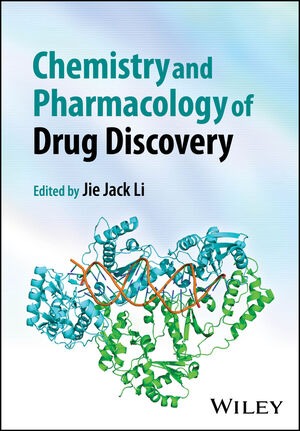
Chemistry and pharmacology of drug discovery
Illustrates how chemistry, biology, pharmacokinetics, and a host of disciplines come together to produce successful medicines, discussing a total of 20 drugs that are all FDA-approved post 2021. Cover Infectious Disease, Cancer Drugs, CNS Drugs, and Miscellaneous Drugs. Each chapter covers background material on the drug class and/or disease indication and key aspects relevant to the discovery of the drug, including structure-activity relationships, pharmacokinetics, drug metabolism, efficacy, and safety.
Chemical Biology and Drug Discovery
Gives the reader, through the specific selection of chemical-biological techniques and concepts, the necessary tools to be able to develop new ways of thinking and thus new therapeutic options in the complex field of chemical biology and drug development. The stated aim of this book is to provide concrete solutions and inspiration to students, (post)graduate students, and experienced scientists at universities as well as in industry in their problems.
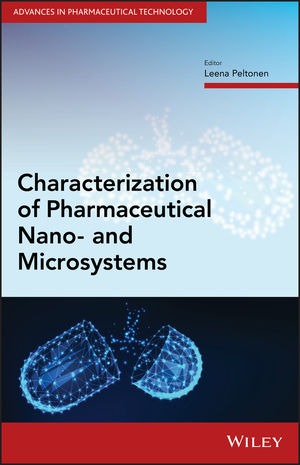
Characterization of Pharmaceutical Nano- and Microsystems
Offers readers a full understanding of the basic physicochemical characteristics, material properties and differences between micro- and nanosystems. It explains how and why greater experience and more reliable measurement techniques are required as particle size shrinks, and the measured phenomena grow weaker.

Chance Discoveries in Real World Decision Making : Data-based Interaction of Human intelligence and Artificial Intelligence
For this book, the editors invited and called for contributions from indispensable research areas relevant to "chance discovery," which has been defined as the discovery of events significant for making a decision, and studied since 2000. From respective research areas as artificial intelligence, mathematics, cognitive science, medical science, risk management, methodologies for design and communication, the invited and selected authors in this book present their particular approaches to chance discovery. The chapters here show contributions to identifying rare or hidden events and explaining their significance, predicting future trends, communications for scenario development in marketing and design, identification effects and side-effects of medicines, etc.

CASCOM : Intelligent service coordination in the semantic web
A general architecture for service delivery and coordination in intelligent agent-based peer-to-peer (IP2P) environments, that has been developed within the CASCOM research project, is presented in this book.

Career options in the pharmaceutical and biomedical industry : An insider’s guide
Divided into five parts: Part 1 provides an academic perspective that focuses on the specific preparation required in the final years of study to embark on a successful career in the pharmaceutical and biomedical industries. In Part 2, industry experts discuss employment possibilities all along the drug or product life cycle,from discovery research and development to commercialisation. Part 3 follows, highlighting opportunities in support functions such as regulatory affairs or quality assurance. Part 4 focuses on additional opportunities in the wider biomedical sector, while Part 5 contains practical tips and training opportunities for entering the pharmaceutical and biomedical industries. In the epilogue, the authors reflect on this fascinating field and its career prospects.
