



الصفحة 130
الصفحة 130
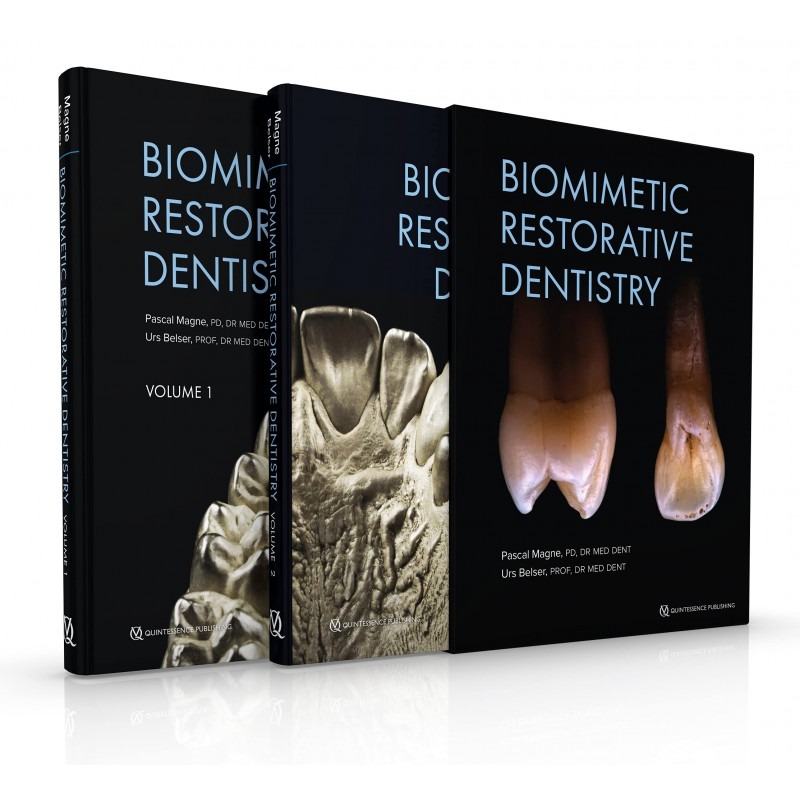
Biomimetic restorative dentistry ; Vol.1 : Fundamentals and basic clinical procedures
Takes the science of esthetic dental reconstruction to a new level both clinically and academically, and it offers all that a clinician could wish for in terms of indications and the classic clinical steps for tooth preparation, laboratory and CAD/CAM procedures, adhesive luting procedures, and maintenance. But above all, what makes this book so unique is the biomimetic principle—as such, restoring or mimicking the biomechanical, structural, and esthetic integrity of teeth is paramount. The core of this book centers on the application of the biomimetic principle in the form of bonded restorations using composite resins and ceramics, covering indications, treatment planning, diagnosis, tooth preparation and impression, laboratory and CAD/CAM procedures, final delivery, follow-up, maintenance, and repair. Written by a true master and artist, this book will undoubtedly inspire excellence in anyone who picks it up.

Biomimetic restorative dentistry
Biomimetic dentistry represents a significant advancement in restorative practices, emphasizing the preservation of natural tooth structure and the use of innovative materials that closely mimic biological tissues. This article explores the potential impact of biomimetic approaches on patient outcomes, highlighting key findings that demonstrate improved longevity of dental restorations and reduced incidence of secondary caries.
Biometric Authentication ; International ECCV 2002 Workshop Copenhagen, Denmark, June 1, 2002 Proceedings
Biometric authentication refers to identifying an individual based on his or her distinguishing physiological and/or behavioral characteristics. It associates an individual with a previously determined identity based on that individual s appearance or behavior. Because many physiological or behavioral characteristics (biometric indicators) are distinctive to each person, biometric identifiers are inherently more reliable and more capable than knowledge-based (e.g., password) and token-based (e.g., a key) techniques in differentiating between an authorized person and a fraudulent impostor. For this reason, more and more organizations are looking to automated identity authentication systems to improve customer satisfaction, security, and operating efficiency as well as to save critical resources.
BioMEMS and biomedical nanotechnology ; Vol. III : Therapeutic Micro/Nanotechnology
The human body is composed of structures organized in a hierarchical fashion: from biomolecules assembled into polymers, to multimeric assemblies such as cellular or-ganelles, to individual cells, to tissues, to organ systems working together in health and disease- each dominated by a characteristic length scale. Decades of science and engineer-ing are now converging to provide tools that enable the orderly manipulation of biological systems at previously inaccessible, though critically important, length scales (<100 mi-crons). Thus, the approaches described in this volume provide a snapshot of how micro-and nanotechnologies can enable the investigation, prevention, and treatment of human disease.The volume is divided into three parts. The first part, Cell-based therapeutics; cov- ers the merger of cells with micro- and anosystems for applications in regenerative medicine spanning the development of novel nanobiomaterials.
BioMEMS and Biomedical Nanotechnology : Vol. I: Biological and Biomedical Nanotechnology
Abe Lee has been working on micro/ and nanotechnology for biomedical and biotech applications since 1992. His recent research focuses on the development of integrated micro and nano fluidic chip processors for the following applications: point-of-care diagnostics, "smart" nanomedicine for early detection and treatment, stem cell biology and therapeutics, the synthesis of novel and pure materials, and biosensors to detect environmental and terrorism threats. Jim Lee's research interest includes BioMEMS/NEMS, and polymer micro/nanotechnology. In the last 4 years, he has over 20 refereed journal publications, 2 book chapters, and 5 patents in these areas. He is now leading an NSF Nanoscale Science and Engineering Center for Affordable Nanoengineering of Polymer Biomedical Devices at OSU.
Biomedical Simulation ; 3rd International Symposium, ISBMS 2006, Zurich, Switzerland, July 10-11, 2006, Proceedings
This book contains the written contributions to the Third International Sym- sium on Biomedical Simulation (ISBMS), which was held in Zurich, Switzerland, on July 10-11, 2006. The manuscripts are organized around three thematic sections which cover several of the major aspects of our rapidly growing ?eld: anatomical modeling and tissue properties, simulation of biophysical processes, as well as systems and applications. The symposium provided an international forum for researchers interested in using biomedical simulation technology for the improvement of patient care. It was held in the spirit and continuation of the symposia on Surgical Simulation and Soft Tissue Modeling (IS4TM) organized in 2003 by INRIA, and on Medical Simulation (ISMS) in 2004 by CIMIT.
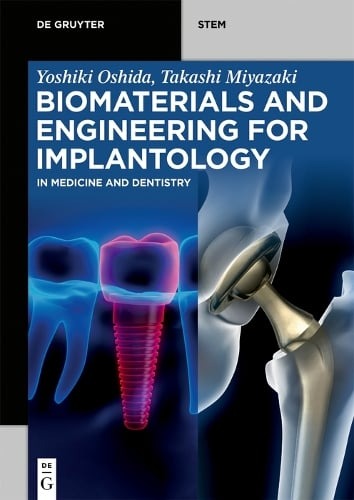
Biomaterials and engineering for implantology: in medicine and dentistry
Biomaterials are composed of metallic materials, ceramics, polymers, composites and hybrid materials. Biomaterials used in human beings require safety regulations, toxicity, allergic reaction, etc. When used as implantable materials their biological compatibility, biomechanical compatibility, and morphological compatibility must be acessed. This book explores the design and requirements of biomaterials for the use in implantology.
Biomaterials and bionanotechnology ; 1st ed.
Examines the current state of the field within pharmaceutical sciences and concisely explains the history of biomaterials including key developments. Written by experts in the field, this volume within the Advances in Pharmaceutical Product Development and Research series deepens understanding of biomaterials and bionanotechnology within drug discovery and drug development. Each chapter delves into a particular aspect of this fast-moving field to cover the fundamental principles, advanced methodologies and technologies employed by pharmaceutical scientists, researchers and pharmaceutical industries to transform a drug candidate or new chemical entity into a final administrable dosage form, with particular focus on biomaterials and bionanomaterials. This book provides a comprehensive examination suitable for researchers working in the pharmaceutical, cosmetics, biotechnology, food and related industries as well as advanced students in these fields.
Biomaterials : An Introduction
Biomaterials, an Introduction is intended as a general introduction to the uses of artificial materials in the human body for the purposes of aiding healing, correcting deformities, and restoring lost function. Enhancing on the field developments since the successful last edition, Biomaterials, an Introduction continues in its tradition as an outgrowth of an undergraduate course for senior students in biomedical engineering developed by the authors With 60 years of combined experience, the authors have emphasized the fundamental materials science, structure-property relationships and biological responses as a foundation for a wide array of biomaterials applications.
Bio-Materials & Prototyping Applications in Medicine
Bio-Materials and Prototyping Applications in Medicine focuses on bio-materials and prototyping applications in medical environments. The applications that ardiscussed integrate bio-materials, CAD, and physical prototyping techniques.
Biomarkers in periodontal health and disease : Rationale, benefits, and Future directions
This book examines all aspects of the progress being made towards the development of highly specific and sensitive biomarkers that will overcome the shortcomings of clinical assessments in periodontics. Readers will find the book to be an ideal summary of the state of the art in the field as biomarkers emerge that promise to facilitate periodontal diagnostics and permit timely, personally tailored interventions.
Biology of orthodontic tooth movement : current concepts and applications in orthodontic practice
Presents the current knowledge and understanding of the biological processes involved in the orthodontic movement of teeth and discusses recent progress in the field. It links research advances to their immediate clinical applications and offers researchers and clinicians a state of the art reference on topical issues relating to orthodontic tooth movement.

Biology and mechanics of blood flows ; Part I : Biology
Biology and Mechanics of Blood Flows presents the basic knowledge and state-of-the-art techniques necessary to carry out investigations of the cardiovascular system using modeling and simulation. Part I of this two-volume sequence, Biology, addresses the nanoscopic and microscopic scales. The nanoscale corresponds to the scale of biochemical reaction cascades involved in cell adaptation to mechanical stresses among other stimuli. The microscale is the scale of stress-induced tissue remodeling associated with acute or chronic loadings. The cardiovascular system, like any physiological system, has a complicated three-dimensional structure and composition. Its time dependent behavior is regulated, and this complex system has many components.
Biologie und epidemiologie der hormonersatztherapie : Diskussionen zur postmenopausalen gesundheit = Biology and epidemiology of hormone replacement therapy : Discussions on postmenopausal health
The advantages and disadvantages of hormone replacement therapy (HRT) are discussed by a group of experts with regard to the epidemiological evidence. However, the focus of the discussion is the problem of breast cancer risk. Among other things, it is shown that the results derived from epidemiological studies do not coincide with the growth characteristics of these tumors, so that further population studies with the inclusion of pathobiological expertise appear necessary. The benefits and risks of hormone replacement therapy (HRT) are discussed by a group of experts with a view towards the evidence provided by recent epidemiological studies. Although all aspects of HRT indications and contra-indications are reviewed, the particular emphasis of this discussion is on breast cancer. Among other things, it is shown that the evidence on breast cancer provided in epidemiological studies does not match the growth characteristics of the tumors, and that further population research incorporating pathobiological assessments is required.
Biologics in General Medicine
The idea for this book was born during the symposium on biologics organized by ZAFES (Center for Drug Research, Development and Safety at the University of Frankfurt am Main) in September 2005. Highly distinguished researchers special- ing in the field of biologics had gathered together to exchange information on this relatively new subject. Realizing that this symposium was one of the few sources of condensed information on biologics, it became obvious that we had to create a means of informing an interested wider circle of scientists and especially general c- nicians. Therefore, the editors of this book suggested to the researchers at the symposium andalsotoprominent scientists andcliniciansinvolvedinthe developmentand application of biologics as their major field of interest the idea of assembling this compendium. We received an overwhelmingly positive response – thankfully also from the publisher – most being more than willing to support this innovative project with highly relevant chapters on the latest state of the art.
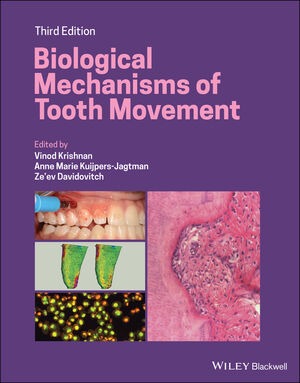
Biological mechanisms of tooth movement ; 3rd ed.
Cover subjects such as: The development of biological concepts in orthodontics, including the cellular and molecular biology behind orthodontic tooth movement Mechanics meets biology, including the effects of mechanical loading on hard and soft tissues and cells, and biological reactions to temporary anchorage devices Inflammation and orthodontics, including markers for tissue remodeling in the gingival crevicular fluid and saliva Personalized diagnosis and treatment based on genomic criteria, including the genetic influences on orthodontic tooth movement Rapid orthodontics, including methods to accelerate or decelerate orthodontic tooth movement Perfect for residents and PhD students of orthodontic and periodontal programs, Biological Mechanisms of Tooth Movement is also useful to academics, clinicians, bone biologists, and researchers with an interest in the mechanics and biology of tooth movement.
Biological Calcification : Normal and Pathological Processes in the Early Stages
This book follows a precursor volume devoted to biological calci?cation, - sued by the CRC Press, Boca Raton (Florida) in 1992. Several basic aspects of the calci?cation process were analyzed in it by outstanding authors who had unquestioned competence in their respective research areas. Its main aim was that of giving readers access to a series of papers which, even though they discussed divergent aspects of biological calci?cations drawn from the study of systems as different as vertebrate skeletons and mollusks, in vitro cultures and unicellular organisms, ectopic calci?cation and urinary stones, provided elements permitting a coherent approach to a comprehensive view of the calci?cation process in biological tissues.
Biological and medical data analysis ; Vol. 3745 ; 6th International symposium, ISBMDA 2005, Aveiro, Portugal, November 10-11, 2005, Proceedings
The 6th International Symposium on Biological and Medical Data Analysisaimed to become a place where researchersinvolved in these diverse but increas-ingly complementary areas could meet topresent and discuss their scientificresults.The papers in this volume discuss issues from statistical models to archi-tectures and applications to bioinformatics and biomedicine. They cover bothpractical experience and novel research ideas and concepts.
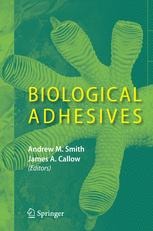
Biological adhesives
Many plants, animals, and microbes use adhesive polymers and structures to attach to inert substrates, to each other, or to other organisms. This is the first major review that brings together research on many of the well-known biological adhesives. Emphasizing the diversity of biological adhesives and associated adhesion processes, it deals with bacteria, fungi, algae, and marine and terrestrial animals. It bridges a variety of disciplines including biochemistry, molecular biology, biomechanics, bioengineering, microbiology, organism structure and function, and ultrastructure. As we learn more about the molecular and mechanical properties of these adhesives, we begin to understand why they adhere so well and how they develop cohesive strength. With this understanding comes the prospect of developing synthetic or semi-synthetic adhesives with broad applications in areas such as medicine, dentistry, and biotechnology. The book is suitable for both industrial and academic researchers.

Bio-inspired computational intelligence and applications ; International conference on life system modeling, and simulation, LSMS 2007, Shanghai, China, September 14-17, 2007. Proceedings
It covers both micro and macro c- ponents ranging from cells, tissues and organs across to organisms and ecologic niches. These interact and evolve to produce an overall complex system whose beh- ior is difficult to comprehend and predict.The arrival of the 21st century has been marked by a resurgence of research interest both in arriving at a systems-level und- standing of biology and in applying such knowledge in complex real-world appli- tions. Consequently, computational methods and intelligence in systems, biology, as well as bio-inspired computational intelligence, have emerged as key drivers for new computational methods. For this reason papers dealing with theory, techniques and real-world applications relating to these two themes were especially solicited.
