



الصفحة 13
الصفحة 13

Human teeth : From function to esthetics
Provides a comprehensive overview of oral health. It includes twenty-one chapters that address such topics as dental anatomy and morphology, smile design, oral health, prosthetics and implantology, orthodontics, dental materials, use of artificial intelligence in dentistry, and regenerative medicine.

Human semen analysis : From the WHO manual to the clinical management of infertile men
Intended to bridge the gap between the laboratory manual and the clinician by explaining in detail the test indication, its clinical utility, interpretation of results, and presenting a decision algorithm based on the test results. Thebook has 19 chapters grouped under seven sections that follow the chapters of the sixth edition of the WHO manual. Each chapter is written and reviewed by a team of senior clinicians, thus bringing a perspective that is truly clinically relevant. This book will be of great value to all clinicians involved in the management of male infertility and will also be of interest to laboratory scientists involved in semen testing by providing them with clinical perspectives of the test they perform. Human Semen Analysis: From the WHO Manual to the Clinical Management of Infertile Men is a useful guide for utilizing the WHO manual, interpreting test results, and deciding what subsequent clinical actions to take.

Human microbiome : Clinical implications and therapeutic interventions
The human microbiome refers to the complete microorganisms inhabiting the human body sites including skin, ear, nose, oral cavity, the genital, gastrointestinal and respiratory tracts, and body fluids such as breast milk, saliva, and urine. It is a significant and essential organ recognized for the body and has an established involvement in the host wellbeing, in terms of nutritional requirements and immunomodulation. Talks about how alteration and imbalance in the same can have clinical implications associated with a multitude of gastrointestinal, lifestyle-associated, and neurodegenerative disorders. How the proliferation of specific groups of bacteria and their metabolic activities, as a result of intestinal dysbiosis leads to the 'leaky gut' condition thereby influences brain activity via the bidirectional gut-brain axis. It also coves the importance of microbial seeding and how it can be influenced by the mode of delivery, nutrition, and medication. This book also provides various therapeutic interventions such as the establishment of stool banks and Faecal microbiota transplantation (FMT) that have recently proved promising in the treatment of ASD, Inflammatory Bowel Disease, and Ulcerative Colitis. This book provides a deeper understanding of the development of the human gut microbiome and the factors driving its dysbiosis. This book is a valuable read for health professionals, medical students, nutritionists, and scientific research communities who are eager to update themselves with recent trends in microbiome research. It will also aid gastroenterologists and nutritionists to make well-informed choices regarding therapeutic regimes.

Human fungal diseases : Diagnostics, pathogenesis, drug resistance and therapeutics
Reviews the latest advancements in the fungal infections and their impact on human health. It presents epidemiology, diagnosis, pathogenesis, risk factors, virulence mechanisms, treatment, and strategies for the disease management and prevention of fungal infections. The book further reviews host-pathogen interactions, biofilm formation, and quorum sensing. It also covers the clinical manifestations, diagnostic approaches, and management strategies of opportunistic fungal infections, emerging fungal infections, and allergic fungal infections. It presents the latest advancements in diagnostic methods and therapeutic strategies, covering both conventional techniques and state-of-the-art approaches. Further, the book elucidates antifungal stewardship, nanotechnology, and omics technologies, providing insights into cutting-edge strategies for prevention, control, and management of multidrug-resistant fungi. This book is useful for researchers, students, and health professionals working in the fields of mycology, infectious diseases, immunology, dermatology, and pulmonology.

Human Challenge Studies in Endemic Settings : Ethical and Regulatory Issues
This book provides an extensive review of ethical and regulatory issues related to human infection challenge studies, with a particular focus on the expansion of this type of research into endemic settings and/or low- and middle-income countries (LMICs). Human challenge studies (HCS) involve the intentional infection of research participants, and this type of research is rapidly increasing in frequency worldwide

How to Practice Academic Medicine and Publish from Developing Countries? : A Practical Guide
The book provides an overview of the state of research in developing countries – Africa, Latin America, and Asia (especially India) and why research and publications are important in these regions. It is written mainly by senior colleagues who have experienced and recognized the challenges with design, documentation, and publication of health research in the developing world. The book includes short chapters providing insight into planning research at the undergraduate or postgraduate level, issues related to research ethics, and conduct of clinical trials.

How AI Impacts Urban Living and Public Health ; 17th International Conference, ICOST 2019, New York City, NY, USA, October 14-16, 2019, Proceedings
This book cover topics such as: e-health technology design; well-being technology; biomedical and health informatics; and smart environment technology.

Hot Topics in Infection and Immunity in Children III
This book is based on the course “Infection and Immunity in Children 2005” which was held at St Catherine’s College Oxford, UK in June 2005. This is the third book in this series covering topics in infection and immunity during childhood and based on the Oxford courses. These courses, and their companion books, are aimed at encouraging excellence in clinical practice and raising the pro? le of paediatric infectious disease with a particular eye on the needs of trainees in the specialty. At the time of writing a fourth course is already at an advanced stage of planning for June 2006 with a completely new programme once again. You will ? nd in this book a wealth of state of the art information about various aspects of paediatric infectious diseases written by leading authorities in the ? eld. We hope this volume will bring new insights into the management of children with infectious diseases and improve the health of children.

Host-pathogen interactions : Methods and protocols
Serves as multidisciplinary compendium of approaches and techniques employed to analyze the role of different molecules, processes, or strategies used by different guests to survive and proliferate in their associations with eukaryotic hosts. Beginning with animal-pathogen interactions, the book then continues with chapters exploring virus-host interactions, plant-microbe interactions, as well as different molecular techniques that were initially applied to non-pathogenic interactions but can be adapted to study other host-pathogen associations. Written for the highly successful Methods in Molecular Biology series, chapters include introductions to their respective topics, lists of the necessary materials and reagents, step-by-step and readily reproducible laboratory protocols, as well as tips for troubleshooting and avoiding known pitfalls.

Hormones, metabolism and the benefits of exercise
The world is faced with an epidemic of metabolic diseases such as obesity and type 2 diabetes. This is due to changes in dietary habits and the decrease in physical activity. Exercise is usually part of the prescription, the first line of defense, to prevent or treat metabolic disorders. However, we are still learning how and why exercise provides metabolic benefits in human health. This open access volume focuses on the cellular and molecular pathways that link exercise, muscle biology, hormones and metabolism. This will include novel “myokines” that might act as new therapeutic agents in the future.

Hormone balance for dummies
Hormones are your body's chemical "messengers," the regulators of essential functions like metabolism, reproduction, mood, and growth. But, in our 24/7, hyper-connected modern world, many of us increasingly find ourselves in situations of chronic stress that can imbalance or disrupt our bodies' natural hormonal balance. In Hormone Balance For Dummies, renowned hormone health coach Isabella Mainwaring delivers an accessible and exciting new take on hormonal imbalance. You'll discover why hormone balance is so important for you and contributes to everything from the maintenance of a healthy weight to fertility, mental wellness, and overall health. The author goes beyond diet and lifestyle to offer practical nervous system regulation tips and dive deep on available treatment options for hormonal imbalance

Hormonal carcinogenesis V
Information gathered from cell-free systems, cell cultures, animal models, and human studies, together will (1) provide important insights to our understanding of hormonal cancer causation, development, and prevention; (2) be the primary objective of these Symposia.

Holocaust Survivors and Immigrants : Late Life Adaptations
Based on a unique research study, this volume examines the later life development of Holocaust survivors from Israel and the U.S. Through systematic interviews, the authors -- noted researchers and clinicians -- collected data about the lives of these survivors and how they compared to peers who did not share this experience. The orientation of the book synthesizes several conceptual approaches â€" gerontological and life span development, stress research, and traumatology, and also reflects the varied disciplines of the authors, spanning psychology, social work, and sociology
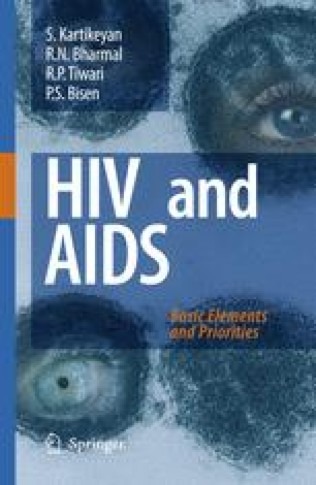
HIV and AIDS : Basic elements and priorities
This volume is an excellent reference for science graduates and post graduates, medical students, research scholars and scientists across the world. This book is recommended by the World Health Organization Eastern Mediterranean Region Office (WHO-EMRO) as a basic resource for medical faculty libraries.

History and physical for the pediatric dental patient: establishing a systematic approach for procedural sedation
Serves as a quick reference for all dentists who perform physical exam before the sedation and treatment of pediatric patients. In the dental care setting, pediatric patients present unique challenges to proper sedation and management of dental pathology. A prior history and physical exam is often absent. Learning how to properly conduct a history and physical exam on Pediatric patients is an essential skill for dentists, and has significant implications for parents, patients, and our healthcare system. This book aims for a comprehensive coverage of the review of systems, improve patient care and identify possible complications in pediatric sedation.

Historical and Multidisciplinary Perspectives on Hope
This book makes an important contribution to the ongoing research on hope theory by combining insights from both its long history and its increasing multi-disciplinarity. In the first part, it recognizes the importance of the centuries-old reflection on hope by offering historical perspectives and tracing it back to ancient Greek philosophy.

HIMSS Dictionary of Health Information and Technology Terms, Acronyms and Organizations
This valuable resource includes more than 3,400 definitions, organizations, credentials, acronyms and references. Definitions of terms for the health IT, medical and nursing informatics fields are updated and included. This fifth edition also includes an acronyms list with cross references to current definitions and a list of health IT-related associations and organizations, including contact information, mission statements and web addresses.

High-quality outdoor learning : Evidence-based education Outside the classroom for children, teachers and society
Reviews evidence and case studies on the effects of outdoor learning on teachers and learners. It shows how real-world learning outside the classroom contributes to unlocking the full potential of learners, demonstrating its benefits for academic learning, social competencies, personal and emotional development, psychological well-being, and physical activity and health. In addition, the book highlights how outdoor learning nurtures environmental awareness and helps learners to tackle current sustainability challenges. Its focus on high-quality learning makes it a unique contribution to the implementation of SDG 4. Aimed at lecturers at teacher training universities, teachers, professional educators, coaches, and multipliers who train staff of educational NGOs, as well as decision makers on all levels of education systems, this book is of interest to all those who seek a more in-depth understanding of the future of education.
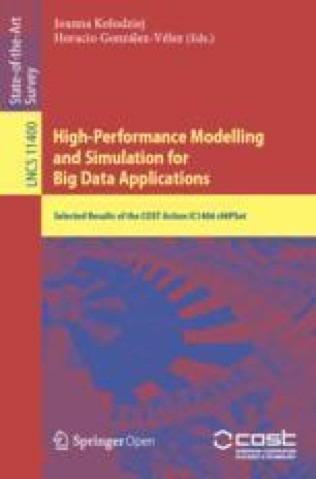
High-Performance Modelling and Simulation for Big Data Applications: Selected Results of the COST Action IC1406 cHiPSet
This book is the final compendium of case studies emanated from “High-Performance Modelling and Simulation for Big Data Applications” (cHiPSet).cHiPSet has created a sustainable reference network linking applied research in High Performance Computing (HPC) and Modelling & Simulation to tangibly address Big Data challenges.cHiPSet has also endeavoured to use and exploit results through Open Science practices, i.e., open access publication, open access to data repositories, and open-source software development. A testament to this philosophy, this compendium is set to become a required reference for the fast-changing fields of HPC, Big Data, and Modelling & Simulation.

High value fermentation products ; Vol.1 : Human health
This book describes relevant aspects of industrial-scale fermentation, an expanding area of activity, which already generates commercial values of over one third of a trillion US dollars annually, and which will most likely radically change the way we produce chemicals in the long-term future. From biofuels and bulk amino acids to monoclonal antibodies and stem cells, they all rely on mass suspension cultivation of cells in stirred bioreactors, which is the most widely used and versatile way to produce.
