



الصفحة 13
الصفحة 13

Ibuprofen : Pharmacology, Therapeutics and Side Effects
Ibuprofen is one of the most successful drugs used worldwide for the treatment of mild to moderate pain and various inflammatory conditions. Over the past 40 years, ibuprofen has been proven to be as safe or even safer and also as effective as the established non-steroidal anti-inflammatory drugs (NSAIDs) and the coxibs. This well-written book reviews the pharmacology, clinical uses and the various adverse effects of Ibuprofen, the disposition and unique modes of action in relation to clinical effects of the drug as well as various formulations. The use of combinations with other drugs (e.g. paracetamol, codeine, caffeine) are critically assessed and the impact of natural products and Chinese Medicines on the safety of ibuprofen.

Iatrogenic effects of orthodontic treatment : Decision-making in prevention, diagnosis, and treatment
This book is a well-illustrated guide to the iatrogenic effects of orthodontic treatment that provides practical information on orthodontic diagnosis, treatment planning, and post-treatment retention and highlights preventive measures to avoid complaints and lawsuits.
I disturbi della consapevolezza nelle malattie neuropsichiatriche = Disturbances of awareness in neuropsychiatric diseases
Aims to outline the set of current international knowledge on disease awareness in various neuropsychiatric conditions (hemiplegia resulting from brain damage, psychosis, dementia and mood disorders), with particular reference to anosognosia and 'insight. The comparison between different conceptualizations and the variety of clinical manifestations gives rise to a very complex picture that requires a multidimensional approach, especially as regards the diagnostic moment. To this end, the authors propose an integration of various contributions on the pathogenetic level, based on neuroanatomical evidence and supported by the most recent neuroimaging techniques. In addition, the use of a complex diagnostic battery is suggested, capable of analyzing the different aspects of the phenomenon, and distinguishing it from the psychological defensive mechanism of denial. Research in this field is also essential to promote rehabilitation and compliance with treatment, as well as the enrichment of knowledge on the processes underlying consciousness and awareness in the human being.

Hypoplastic Left Heart Syndrome
Hypoplastic Left Heart Syndrome draws together the experiences of the leading experts in the field. Through their work in all aspects of congenital cardiac care, they have become acknowledged as the world leaders in the diagnostic, medical and social needs of children born with hypoplasia of the left heart. More importantly, for the first time the book recognizes the crucial contributions made by the families of these children. Diagnostic possibilities, options for medical and surgical treatment and a history of their evolution are looked into and the book also gives an insight into the longer-term effects that treatment has on the child and its family. As well as including contributions from medical clinicians, nurses, and psychologists, for the first time a forum is provided for the parents, who have complemented the contributions from the medical and nursing experts to provide a holistic view of the lives and experiences of the children born with this condition. No other publication, currently available, offers such a comprehensive overview of the care required by a child with hypoplasia of the left heart. This book provides the ultimate reference for anyone treating children with this heart condition, particularly paediatric cardiac clinical and nursing teams, radiologists and radiographers, obstetric medical and nursing teams, psychologists, pathologists, geneticists and workers in social care.

Hypomelanosis Vitiligo & Albinism
• In General, understanding the disease is the best way to reach a perfect treatment. • This study aims to discuss the Hypomelanosis: • Vitiligo and Albinism and understanding the pathophysiology and present a types, symptoms and diagnosis of it. • Treatment ways and it's development, Nano-Drug and role of PRP in the treatments also had been presented. • The effect of Vitiligo on family members and living with it also had been discussed. • Finally, we have searched in managements and recommendations of Vitiligo patients during COVID-19 pandemic.

Hyperthermia In Cancer Treatment : A Primer
Following an introductory overview, Hyperthermia In Cancer Treatment: A Primer comprehensively describes the biological reasons for associating hyperthermia with radiation and chemotherapy and the biological and clinical effects of hyperthermia on cancerous and normal tissues. The volume’s 20 chapters are arranged in three principal parts: physical and methodological studies, biologic principles, and clinical studies.

Hypertension in the Elderly
Topics range from basic concepts, epidemiology and trials, and evaluation and management, to pharmacological treatment, special populations, and adherence, all presented with an emphasis on the optimal management of patients. The authors examine in detail the mechanisms of hypertension in the elderly, particularly age-related changes in vascular stiffness, and methodically review the lifestyle and outcomes trials that were conducted in older persons. The problems of clinical evaluation, secondary hypertension, and target organ damage are also fully addressed, and a practical approach is provided for correctly determining blood pressure, one of the most important tasks in evaluating an older patient. Extensive discussions of pharmacological therapy detail the role of individual drug classes, including diuretics and b-blockers, angiotensin-converting enzyme inhibitors, angiotensin receptor blockers, calcium antagonists, a-1 blockers, and combination drug therapies. Additional chapters focus on special populations, such as African Americans, patients with diabetes, and patients with arthritis, as well as on the clinician's role in improving therapeutic adherence in older patients. Offers family practitioners and general internists an up-to-date, user-friendly reference on the diagnosis, treatment, and complications of hypertension in the elderly.

Hyperlipidemia Management for Primary Care : An Evidence-Based Approach
Hyperlipidemia Management for Primary Care: An Evidence-Based Approach is a comprehensive resource for primary care providers that offers information and treatment options that can be incorporated with ease into everyday clinical practice. This evidence-based text weighs the benefits of pharmacologic treatments, popular diets, therapeutic foods, herbs and vitamins as a means to manage hyperlipidemia.

Hydrology and Water Resources of India
Divided into four sections the book provides a comprehensive overview of water resources of India. Beginning with a general description of the country, major hydrologic features, such as climate (precipitation, temperature, radiation, etc.), streamflow, groundwater, soil, etc. are discussed. A detailed treatment of all major river basins is provided, which includes description of catchments, tributaries, surface water and ground water, and important water resources projects. This is followed by a discussion on major uses of water in India, major projects, water related problems including environment and water quality, provisions of the constitution of India, interlinking of India rivers, and institutions dealing with water resources. Finally, the last chapter discusses some views on water management policy for India.

Humanized mice
The term humanized mouse in this text refers to a mouse in which human tissues and cells have been transplanted and show the same biological function as they do in the human body. That is, the physiological properties and functions of tra- planted human tissues and cells can be analyzed in the mouse instead of using a living human body. It should therefore be possible to study the pathophysiology and treatment of human diseases in mice with good reproducibility.

Human microbiome : Clinical implications and therapeutic interventions
The human microbiome refers to the complete microorganisms inhabiting the human body sites including skin, ear, nose, oral cavity, the genital, gastrointestinal and respiratory tracts, and body fluids such as breast milk, saliva, and urine. It is a significant and essential organ recognized for the body and has an established involvement in the host wellbeing, in terms of nutritional requirements and immunomodulation. Talks about how alteration and imbalance in the same can have clinical implications associated with a multitude of gastrointestinal, lifestyle-associated, and neurodegenerative disorders. How the proliferation of specific groups of bacteria and their metabolic activities, as a result of intestinal dysbiosis leads to the 'leaky gut' condition thereby influences brain activity via the bidirectional gut-brain axis. It also coves the importance of microbial seeding and how it can be influenced by the mode of delivery, nutrition, and medication. This book also provides various therapeutic interventions such as the establishment of stool banks and Faecal microbiota transplantation (FMT) that have recently proved promising in the treatment of ASD, Inflammatory Bowel Disease, and Ulcerative Colitis. This book provides a deeper understanding of the development of the human gut microbiome and the factors driving its dysbiosis. This book is a valuable read for health professionals, medical students, nutritionists, and scientific research communities who are eager to update themselves with recent trends in microbiome research. It will also aid gastroenterologists and nutritionists to make well-informed choices regarding therapeutic regimes.

Human fungal diseases : Diagnostics, pathogenesis, drug resistance and therapeutics
Reviews the latest advancements in the fungal infections and their impact on human health. It presents epidemiology, diagnosis, pathogenesis, risk factors, virulence mechanisms, treatment, and strategies for the disease management and prevention of fungal infections. The book further reviews host-pathogen interactions, biofilm formation, and quorum sensing. It also covers the clinical manifestations, diagnostic approaches, and management strategies of opportunistic fungal infections, emerging fungal infections, and allergic fungal infections. It presents the latest advancements in diagnostic methods and therapeutic strategies, covering both conventional techniques and state-of-the-art approaches. Further, the book elucidates antifungal stewardship, nanotechnology, and omics technologies, providing insights into cutting-edge strategies for prevention, control, and management of multidrug-resistant fungi. This book is useful for researchers, students, and health professionals working in the fields of mycology, infectious diseases, immunology, dermatology, and pulmonology.

Hugo and Russell's pharmaceutical microbiology
Microbiology is one of the essential pharmaceutical sciences upon which the study and practice of pharmacy is built. It has a bearing on all aspects of the manufacture of medicines and sterile products, from their design and development to their delivery as quality products. Few interventions are more central to modern medicine than the treatment of infection, where antibiosis, vaccination and hygienic practices have essential roles to play. The COVID-19 pandemic, the appearance of new pathogens and the rise of antibiotic resistance have demonstrated most completely the need for pharmaceutical practitioners, researchers and industrial scientists to be fully conversant with this field. The 9th edition of Hugo and Russell’s Pharmaceutical Microbiology has been updated to meet this need. Having long served as the sole comprehensive textbook covering this subject, it has now been adapted to a critical new period in the advancement of medical and pharmaceutical research and development. Its experienced editors have incorporated contributions from subject experts and created a text which will serve the next generation of pharmacy students, pharmaceutical industry scientists and researchers.

How to Improve the Results of Peripheral Nerve Surgery
All over the world research is going on to improve the outcome of the treatment of peripheral nerve lesions. Questions over questions arise. Is the autologeous nerve grafting still the golden standard in bridging defects? Have alternative techniques to overcome defects reached a level to replace autografting? To which length are they effective? What is the role of allografting? Are there still indications for vascularized nerve grafts? What can be expected from end to side coaptation? Does it exist at all? Under what conditions useful recoveries can be achieved? Are there new developments in physical medicine and physiotherapy? Can the quality of recovery be influenced by surgery on muscles to provide a better equilibrium of forces? To what extent cerebral plasticity may be exploited to improve functional results? The contributions in this book give answers to all of these questions.

Host-pathogen interactions : Methods and protocols
Serves as multidisciplinary compendium of approaches and techniques employed to analyze the role of different molecules, processes, or strategies used by different guests to survive and proliferate in their associations with eukaryotic hosts. Beginning with animal-pathogen interactions, the book then continues with chapters exploring virus-host interactions, plant-microbe interactions, as well as different molecular techniques that were initially applied to non-pathogenic interactions but can be adapted to study other host-pathogen associations. Written for the highly successful Methods in Molecular Biology series, chapters include introductions to their respective topics, lists of the necessary materials and reagents, step-by-step and readily reproducible laboratory protocols, as well as tips for troubleshooting and avoiding known pitfalls.

Hormones and social behaviour
This book concentrates on two major topics: First, the molecular and neural biology of hormone actions relevant to normal social behaviors; and Second, the clinical treatment of human patients in whom these behaviors have gone wrong.

Hormone balance for dummies
Hormones are your body's chemical "messengers," the regulators of essential functions like metabolism, reproduction, mood, and growth. But, in our 24/7, hyper-connected modern world, many of us increasingly find ourselves in situations of chronic stress that can imbalance or disrupt our bodies' natural hormonal balance. In Hormone Balance For Dummies, renowned hormone health coach Isabella Mainwaring delivers an accessible and exciting new take on hormonal imbalance. You'll discover why hormone balance is so important for you and contributes to everything from the maintenance of a healthy weight to fertility, mental wellness, and overall health. The author goes beyond diet and lifestyle to offer practical nervous system regulation tips and dive deep on available treatment options for hormonal imbalance
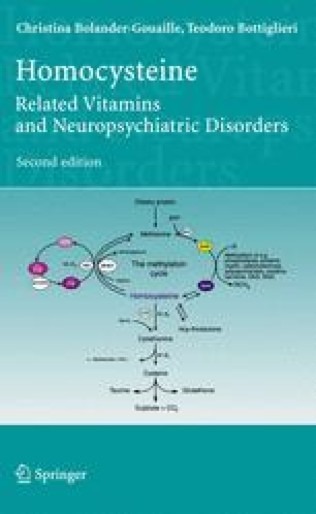
Homocysteine : Related Vitamins and Neuropsychiatric Disorders
There is an increasing interest in the connection between the homocysteine metabolism and neuropsychiatric disease with a steeply increasing number of publications. In particular, the association between homocysteine metabolism and cognitive decline/dementia attracts much interest. If simple, non-toxic homocysteine-lowering treatment with vitamins can reduce the incidence of, or delay the onset of dementia, it would have an enormous impact in societies with a rapidly increasing number of elderly at risk for dementia. This book summarises the research within the neuropsychiatric field, but also gives an overview of the underlying biochemistry and of diagnostic aspects.

Home Long-Term Oxygen Treatment in Italy : The Additional Value of Telemedicine
This book, edited by Roberto W. Dal Negro and Allen I. Goldberg, gives us a full account of the impact of the telemedicine system on H-LTOT. According to the information in this book, we have to begin to think about the possibility of using telemonitoring in H-LTOT in a really general manner. In fact, telemonitoring allows better control of the compliance of patients suffering from respiratory failure, and this means a better clinical condition and longer survival, both linked to the long-term administration of oxygen. Moreover, it also permits a reduction in expenditure for the management of patients under LTOT.

Hodgkins and Non-Hodgkins Lymphoma
In this volume, an internationally recognized group of experts provides a comprehensive overview of the biology, pathology, standard treatments, and novel approaches in management of patients across the complex landscape of lymphoma subtypes.
