



الصفحة 12
الصفحة 12

Monitoring, Security, and Rescue Techniques in Multiagent Systems
This volume contains extended and improved versions of selected contributions presented at the International Workshop "Monitoring, Security and Rescue Techniques in Multiagent Systems".

Molecular Techniques in the Microbial Ecology of Fermented Foods
Molecular Methods and Microbial Ecology of Fermented Foods presents the latest findings in microbial ecology as determined by the application of molecular methods, reports the most recent advances in the field, and offers details on primers and protocols most suitable for studying specific food ecosystems. It provides analytical details and suggestions useful in research, as well as evaluation of the criticism of using novel approaches in food fermentation microbiology. This book also discusses new insights drawn from the use of bio-molecular techniques in the microbial ecology of fermented foods.
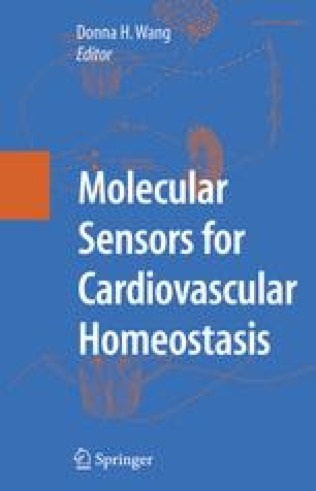
Molecular Sensors for Cardiovascular Homeostasis
This book reveals state-of-the-science of several newly discovered ion channel families and their role in the pathogenesis of cardiovascular diseases.It offers comprehensive and up-to-date information for a deeper understanding of the relationship between macro- and micro-environments, ion channels, and pathophysiological responses, and for developing novel therapies for treating devastating cardiovascular illnesses.

Molecular Mechanisms of Neurotransmitter Release
Within the complex neuronal network of the nervous system, neuron-to-neuron communication occurs mainly through chemical synapses, where the presynaptic nerve terminal releases neurotransmitters that control the function of postsynaptic neurons by acting on postsynaptic receptors. Recent decades have brought groundbreaking new developments and a wealth of knowledge to this field. In Molecular Mechanisms of Neurotransmitter Release, leading experts provide concise, up-to-date information on all major molecular mechanisms involved, with complete background information and figures and diagrams to further elucidate key concepts or experiments.Comprehensive and cutting-edge, Molecular Mechanisms of Neurotransmitter Release is sure to provide a learning tool for neuroscience students, a solid reference for neuroscientists, and a source of knowledge for all those who have a general interest in the ever-evolving field of neuroscience.

Molecular mechanisms of functional food
Provides information on the development and validation of functional foods towards their market and industrial application. It covers the available information on developments, efficacy, and testing and safety, while demonstrating the proven or potential effects of food on health and disease.

Molecular Mechanisms of Fanconi Anemia
Molecular Mechanisms of Fanconi Anemia will give research students a platform for further investigation, and act as a source of information regarding experimental design. Clinicians will find this title useful for its comprehensive description of Fanconi Anemia and information on the latest molecular theories underlying its causes.

Molecular Mechanisms of Basal Cell and Squamous Cell Carcinomas
apid progress in the understanding of carcinogenesis and pathology of epitheUal skin cancer has led to new strategies for the prevention Rand treatment of these malignancies. The goal of this volume is to comprehensively cover in a highly readable overview our present knowledge of pathogenetic mechanisms and molecular biology of Basal Cell and Squamous Cell Carcinomas. Topics that are discussed in-depth by leading researchers and clinicians range from the newest findings in epidemiology, histology, photobiology, immunology, cytogenetics, and molecular pathol ogy to new concepts for prophylaxis and treatment. Experts in the field as well as health care professionals not intimately involved in these specialized areas are provided with the most significant and timely information related to these topics. It is the aim of this book to summarize essential up-to-date information for clinicians and scientists interested in the biology of Basal Cell and Squamous Cell Carcinomas. The chapters are written by authors who are experts in their respective research areas, and I am gratefixl for their willingness to contribute to this book.

Molecular Markers of Brain Tumor Cells : Implications for Diagnosis, Prognosis and Anti-Neoplastic Biological Therapy
Childhood brain tumors are a diverse group of diseases characterized by the abnormal growth of tissue contained within the skull. Other than leukemia and lymphoma, brain tumors are the most common type of neoplasms that occur in children. The leading cause of death from childhood neoplasms among persons up to 19 years is brain tumors. As such, this book is a review of the most recent molecular biological research concerning brain tumors with references and comparisons to a variety of neoplastic disorders. The book then uses this information to foreshadow the direction that future anti-neoplastic therapies will take. Because of the wide spectrum of the objectives of the book, any individual involved in cancer research will greatly benefit from the work. Histopathologists, neuropathologists, clinical and research oncologists, and medical students will find this book to be an invaluable resource as a reference guide. Patients and their families will also find the book useful as it offers a comprehensive update on new, non-classical therapeutic modality options and contains a detailed description and analysis of brain tumors. Such an endeavor has yet to be undertaken by any other book and may prove to be the most comprehensive book on brain tumors thus far.

Molecular Marker Systems in Plant Breeding and Crop Improvement
Successful release of new and better crop varieties increasingly requires genomics and molecular biology. This volume presents basic information on plant molecular marker techniques from marker location up to gene cloning. The text includes a description of technical approaches in genome analysis such as comparison of marker systems, positional cloning, and array techniques in 19 crop plants. A special section focuses on converting this knowledge into general and specific breeding strategies, particularly in relation to biotic stress. Theory and practice of marker assisted selection for QTL, gene pyramiding and the future of MAS are summarized and discussed for maize, wheat, and soybean. Furthermore, approaches in silviculture on the examples of Fagus, Populus, Eucalyptus, Picea and Abies are presented. The volume ends with a comprehensive review of the patents relevant for using molecular markers and marker assisted selection.

Molecular Imaging ; An Essential Tool in Preclinical Research, Diagnostic Imaging, and Therapy
The continuous progress in the understanding of molecular processes of disease formation and progression attributes an increasing importance to biomedical molecular imaging methods. The purpose of this workshop was to discuss and overview multiple applications and emerging technologies in the area of diagnostic imaging including its fundamental capabilities in preclinical research, the opportunities for medical care, and the options involving therapeutic concepts. The book provides the reader with state-of-the-art information on the different aspects of diagnostic imaging, illuminating new developments in molecular biology, imaging agents and molecular probe design, and therapeutic techniques.
Molecular Genetic Pathology
Molecular Genetic Pathology presents up-to-date material containing fundamental information relevant to the clinical practice of molecular genetic pathology.
Molecular Diagnostic PCR Handbook
PREFACE The Joint FAO/IAEA Division of Nuclear Techniques in Food and Agriculture is involved in agricultural research and development and assists Member States of FAO and IAEA in improving strategies to ensure food security through the use of nuclear techniques and related biotechnologies, where such techniques have a valuable and often unique role. In particular, molecular diagnostic methods have rapidly evolved in the past twenty years, since the advent of the Polymerase Chain Reaction (PCR). They are used in a wide range of agricultural areas such as, improving soil and water management; producing better crop varieties; diagnosing plant and animal diseases; controlling insect pests and improving food quality and safety. The uses of nucleic acid-directed methods have increased significantly in the past five years and have made important contributions to disease control country programmes for improving national and international trade. These developments include the more routine use of PCR as a diagnostic tool in veterinary diagnostic laboratories. However, there are many problems associated with the transfer and particularly, the application of this technology. These include lack of consideration of: the establishment of quality-assured procedures, the required set-up of the laboratory and the proper training of staff. This can lead to a situation where results are not assured. This book gives a comprehensive account of the practical aspects of PCR and strong consideration is given to ensure its optimal use in a laboratory environment. This includes the setting-up of a PCR laboratory; Good Laboratory Practice and standardised of PCR protocols.

Molecular bio-sensors and the role of metal ions
Represents a milestone of contemporary progress and understanding of molecular bio-sensors for metal ions. It is bringing together the latest research in academia and industry, and it also emphasizes the spectrum of evolving regulations from regulatory bodies. This vibrant research area is covered by 31 internationally recognized experts. The impact of MILS-23 is manifested by more than 1300 references and close to 200 figures, more than 100 of them in color; further information is summarized in several tables. In conclusion, Volume 23 significantly advances our understanding of Molecular Bio-Sensors, it is therefore an essential resource for scientists working in the wide range from earth sciences, material sciences, physics, pharmacology, enzymology, analytical, organic, and inorganic biochemistry all the way through to medicine including the clinic.

Molecular Biomethods Handbook
Recent advances in the biosciences have led to a range of powerful new technologies, particularly nucleic acid, protein and cell-based methodologies. The most recent insights have come to affect how scientists investigate and define cellular processes at the molecular level. Molecular Biomethods Handbook, 2nd Edition expands upon the techniques included in the first edition, providing theory, outlines of practical procedures, and applications for a range of techniques. Part A of the book describes nucleic acid methods, such as gene expression profiling, microarray analysis and quantitative PCR. In Part B, protein and cell-based methods are outlined, in subjects ranging from protein engineering to high throughput screening. Written by a well-established panel of research scientists, Molecular Biomethods Handbook, 2nd Edition provides an up-to-date collection of methods used regularly in the authors’ own research programs.
Molecular Biology in Plant Pathogenesis and Disease Management : Microbial Plant Pathogens ; Vol.1
Studies on molecular biology of pathogens, infection process and disease resistance, have provided information essentially required to understand the vulnerable stages at which the pathogens can be tackled effectively and to adopt novel strategies to incorporate disease resistance genes from diverse sources and /or to induce resistance of cultivars with desirable agronomic attributes using biotic or abiotic agents. The nature of interaction between the gene products of the pathogen and plant appears to determine the outcome of the interaction resulting in either disease progression or suppression. Transgenic plants with engineered genes show promise for effective exploitation of this approach for practical application. Research efforts during the recent years to sequence the whole genomes of the pathogens and plants may lead to development of better ways of manipulating disease resistance mechanisms enabling the grower to achieve higher production levels and the consumer to enjoy safer food and agricultural products. Experimental protocols included in appropriate chapters will be useful for researchers and graduate students.

Molecular biology : Structure and dynamics of genomes and proteomes
Illustrates the essential principles behind the transmission and expression of genetic information at the level of DNA, RNA, and proteins. Emphasis is on the experimental basis of discovery and the most recent advances in the field while presenting a rigorous, yet still concise, summary of the structural mechanisms of molecular biology. Topics new to this edition include the CRISPR-Cas gene editing system, Coronaviruses – structure, genome, vaccine and drug development, and newly recognized mechanisms for transcription termination.

Molecular and Cellular Signaling
A small number of signaling pathways, no more than a dozen or so, form a control layer that is responsible for all signaling in and between cells of the human body. The signaling proteins belonging to the control layer determine what kinds of cells are made during development and how they function during adult life. Malfunctions in the proteins belonging to the control layer are responsible for a host of human diseases ranging from neurological disorders to cancers. Most drugs target components in the control layer, and difficulties in drug design are intimately related to the architecture of the control layer. Molecular and Cellular Signaling provides an introduction to molecular and cellular signaling in biological systems with an emphasis on the underlying physical principles. The text is aimed at upper-level undergraduates, graduate students and individuals in medicine and pharmacology interested in broadening their understanding of how cells regulate and coordinate their core activities and how diseases arise when these regulatory systems malfunction, as well as those in chemistry, physics and computer science interested in pursuing careers in biological and medical physics, bioinformatics and systems biology. To that end, the book includes background information and review sections, and chapters on signaling in the immune, endocrine (hormonal) and nervous systems. It has chapters on cancer, apoptosis and gene regulation, and contains chapters on bacteria and viruses. In those chapters not specifically devoted to pathogens, connections between diseases, drugs and signaling are made. Each chapter also features a problem set to facilitate further discussion and understanding.
Molecular analyses : Medical genomics and proteomics
Methods for extraction, manipulation, and characterization of nucleic acids, peptides, and proteins have been rapidly developed. Extraction from a variety of tissues and samples have become routine and automated. Next generation sequencing (NGS) methods have been developed. This book focuses on medically-focused methods

Molar Incisor Hypomineralization : A Clinical Guide to Diagnosis and Treatment
This book is a wide-ranging reference on current clinical and scientific knowledge regarding the various aspects of molar incisor hypomineralization (MIH). Background information is first presented on the structural properties of hypomineralized enamel, the prevalence of MIH, and potential etiological factors.

Modified Fibers with Medical and Specialty Applications
This book will be an invaluable resource for researchers and others interested in future developments in fiber technology. Several innovative applications for natural and synthetic fibers are described in considerable detail with emphasis on the experimental data that supports these new applications. From bandages to magnetic materials and from antibacterial clothing to implants, creative modifications to fibers are described that could one day become commonplace. Never before has this much new information about fiber modification been packaged into one book volume. In this book the world’s leading experts describe their most recent research in their areas of expertise.
