



الصفحة 10
الصفحة 10

MR Cholangiopancreatography : Atlas with Cross-Sectional Imaging Correlation
Magnetic resonance cholangiopancreatography (MRCP) is a novel non-invasive technique for diagnosis of pancreatic-biliary disease. The purpose of this book is to highlight the advantages, limitations and indications of MRCP. Specific examples have been selected to showcase the utility of this technique in a large variety of clinical conditions. Each example is purposefully used to stress important technical features, to give practical advice, or to discuss the role of MRCP in specific clinical situations. Important features of the book are the high quality of the illustrations, the reduction of the text to relevant and practically useful issues, and the simple and logic organisation of the case material. The book should show: the optimal technique in MRCP, the pitfalls and limitations.

Moving Millions : Transport Strategies for Sustainable Development in Megacities
The Alliance for Global Sustainability is an international partnership among four of the leading scienti?c and technological universities worldwide: • The Massachusetts Institute of Technology (MIT-AGS); • The University of Tokyo (UT); • The Swiss Federal Institute of Technology (ETH); and • The Chalmers University of Technology. Created in 1997, the AGS today brings together hundreds of university scientists, engineers, and social scientists to address complex issues that lie at the intersection of environmental, economic, and social policy goals. Since its inception, the AGS has promoted and supported multidisciplinary research teams drawn from its partner institutions. Working on critical issues in sustainability across several ?elds encompassing energy and climate, mobility, urban systems, water and agriculture, cleaner technologies, public policy, and communications, these teams have developed a signi?cant body of new knowledge.

Mouse Models of Human Blood Cancers : Basic Research and Pre-clinical Applications
Although it remains an open question among some people whether mice and humans are similar in disease development, the laboratory mouse has emerged as the preeminent animal model for human diseases. This is underscored by the recently completed mouse and human genome projects, which have revealed that mice and humans share the vast majority of their genes, and thus get many of the same diseases, and for the same reasons. Emphasizing why mouse models are valuable in vivo systems for understanding disease mechanisms and developing therapeutic strategies for human blood cancers, "Mouse Models of Human Blood Cancers: Basic Research and Pre-clinical Applications," edited by Shaoguang Li, aims on presenting thorough analyses of the pathological features and the molecular bases of several major types of blood cancer and to describe translational research using mouse cancer models.

Mountains : Sources of Water, Sources of Knowledge
This book addresses the major challenges in assuring globally sustainable water use. Paradoxically, water resources have been identified both as too plentiful, producing major disasters, and increasingly vulnerable to shortages. Addressing both of these aspects requires attention to physical hydrological processes as well as human activities that affect water supply and demand.

Motivational Aspects of Prejudice and Racism
Motivational Aspects of Prejudice and Racism examines the cognitive processes as well as the motivational forces that create and sustain social hierarchies based on racial categories. A panel of top scholars analyzes the subtle and explicit manifestations of bias within and across racial groups, while refuting the idea that race has lost its power as a social concept. Chapter authors review the evolution of the psychological understanding of racism and its effects, pinpoint emerging trends in racism research, and illuminate the experience of prejudice from minority group members’ perspectives. Well-known psychosocial phenomena as the cross-race identification effect, social identity, and majority culture members' conflicting attitudes regarding race, are explored, with the underlying ideologies that nurture them. The volume concludes with a realistic assessment of the future, and possible elimination, of racism. Readers are challenged to re-think self and social identities and self-concepts—particularly relevant ideas as America grows more diverse, and potentially more divided.

Mosquito Ecology : Field Sampling Methods
The purpose of this book is in keeping with the original vision of Professor Service to describe the methods and rationale for sampling mosquitoes, with particular emphasis on the ecology and behaviour of those species that play a role as vectors of human and animal diseases and infections. The book is designed to serve as a practical reference for field entomologists and mosquito control specialists and describes the sampling methods and available trapping technologies and tools for the collection of all life-stages of mosquitoes, from egg to adult. It also describes the techniques available for data analysis and discusses ecological principles of relevance to the study of field populations of mosquitoes. While concentrating primarily on mosquitoes, many of the techniques described are suitable for the study of other Diptera, including Ceratopogonidae, Chironomidae, Simuliidae, Phlebotominae, etc.

Morphology, Molecules, Evolution and Phylogeny in Polychaeta and Related Taxa; Proceedings of two ISSI Workshops, 18–22 October 1999 and 15–19 May 2000, Bern, Switzerland
Recently, evidence has been accumulated which shows that some of the groups formerly regarded as independent "phyla" such as Pogonophora (now recognized as Siboglinidae), Echiura, Myzostomida and perhaps Sipuncula, are most probably nothing else than greatly modified Annelida. The extreme morphological diversity found especially in Polychaeta displays the plasticity of a simple segmented organisation that basically is nothing else but a serial repetition of identical units. Thus, annelids are highly important to our understanding of fundamental questions about morphological and adaptive diversity, as well as clarifying evolutionary changes and phylogenetic relationships. The book aims to summarize our knowledge on Polychaetes polychaetes and their allies and gives an overview of recent advances gained by studies that employed conventional and modern methods plus, increasingly and importantly, the use of molecular markers and computer-assisted kinship analyses. It also reflects the state of art in polychaete sciences and presents new questions and controversies. As such it will significantly influence the direction of research on Polychaeta and their related taxa.

Morphological Models of Random Structures
This book covers methods of Mathematical Morphology to model and simulate random sets and functions (scalar and multivariate). The introduced models concern many physical situations in heterogeneous media, where a probabilistic approach is required, like fracture statistics of materials, scaling up of permeability in porous media, electron microscopy images (including multispectral images), rough surfaces, multi-component composites, biological tissues, textures for image coding and synthesis. The common feature of these random structures is their domain of definition in n dimensions, requiring more general models than standard Stochastic Processes.The main topics of the book cover an introduction to the theory of random sets, random space tessellations, Boolean random sets and functions, space-time random sets and functions (Dead Leaves, Sequential Alternate models, Reaction-Diffusion), prediction of effective properties of random media, and probabilistic fracture theories.

Monograph of the Urostyloidea (Ciliophora, Hypotricha)
This monograph is the second of a series treating the hypotrichs, a major part of the spirotrichous ciliates. The urostyloids are characterised by a zigzag-arrangement of the ventral cirri. Like the first part of the series, the Oxytrichidae, it summarises the morphological, morphogenetic, faunistic, and ecological data from the past 230 years, scattered in more than 1300 references from all over the world. Dichotomous keys lead to 36 genera and subgenera comprising 153 species illustrated by more than 2100 figures, including original ones. The treatise offers taxonomists, cell biologists, and ecologists a thorough and up-to-date revision because for each species a detailed list of synonyms, a discussion of the nomenclature and systematics, and an extensive description of the morphology and ecology, including almost all published faunistic records, are provided. With the monographs of the Urostyloidea and the Oxytrichidae the interested scientist can identify more than 320 species of hypotrichs, which are an important component of the eukaryotic microbial life in limnetic, marine, and terrestrial habitats.

Moment Analysis for Subsurface Hydrologic Applications
This book deals with the concept of moments, and how they find application in subsurface hydrologic problems-particularly those dealing with solute transport. This book will be very valuable to researchers who are beginning to learn about moment analysis, and will also be of interest to advanced researchers as well. Both temporal and spatial moments are dealt with in some detail for a wide variety of problems. Several examples using experimental data, both from laboratory columns and field experiments, are provided to give the readers a clear idea about the scope of this method. Apart from conventional uses of moments for solute transport problems, this book contains chapters dealing with use of moments in interval computing, vapour phase transport applications, transfer functions to subsurface tile drains, and construction of breakthrough curves from knowledge of moments.

Molluscs : From Chemo-ecological Study to Biotechnological Application
Marine molluscs are very promising candidates for a wide range of biotechnological applications. For example, they possess analgesic drugs more potent than morphine and very effective anticancer agents. The present book gives an up-to-date overview of the main classes of bioactive compounds from molluscs, moving from ecological observations, to chemical characterization, to biosynthesis, to large-scale synthesis, and to pharmacological applications. A truly outstanding international panel of experts from all continents provides complete coverage of the most stimulating topics related to molluscs. This knowledge of their history and current studies provides an open door to the future.

Molecular Targeting in Oncology
In Molecular Targeting in Oncology, authors present an overview of the development of targeted therapies for the treatment of cancer with an emphasis on clinical application. The volume covers the complexity of the rapidly developing area of targeted therapies for the treatment of patients with cancer and is structured in a way so readers may begin with chapters that most interest them and work through the rest of the chapters in the order of their choice. The volume is divided into five sections that cover the most important elements of drug development. The first section focuses on approaches using targeted therapies to inhibit cell growth. The second section describes how clinicians are evaluating targeted therapies in specific organ systems. The third section illustrates how various classes of pharmacologic and immunologic agents are developed for individual molecular targets. The fourth section details new drugs that have novel mechanisms of action. The final section looks to the future of targeted therapeutics and includes chapters on appropriate patient selection, use of combination therapy, dealing with tumor cell resistance, and more. Comprehensive and cutting-edge, Molecular Targeting in Oncology is an essential reference for those working in the field.
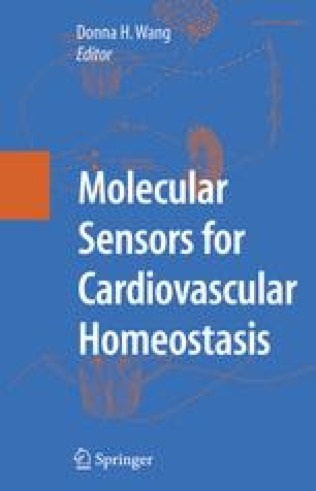
Molecular Sensors for Cardiovascular Homeostasis
This book reveals state-of-the-science of several newly discovered ion channel families and their role in the pathogenesis of cardiovascular diseases.It offers comprehensive and up-to-date information for a deeper understanding of the relationship between macro- and micro-environments, ion channels, and pathophysiological responses, and for developing novel therapies for treating devastating cardiovascular illnesses.

Molecular Pathology of Gynecologic Cancer
This book focuses on putting successful molecular strategies into practice for the treatment of gynecologic cancer. The volume begins with an explication of the editors’ hypothesis that cancer is mainly a disease of the cell cycle, based on the deregulation of the physiological process of cell reproduction. The following eleven chapters focus on specific issues in gynecologic cancers, including: a proposed model of ovarian serous carcinogenesis, molecular markers for ovarian epithelial cancer, an overview of the pathology of endometrial cancer, molecular genetic aspects of endometrial carcinoma and cervical cancer, a natural history of Human Papilloma Virus (HPV) as it relates to cervical cancer, and hereditary issues in gynecologic cancers. The concluding chapter proposes and outlines a holistic approach to the treatment of female cancer patients.

Molecular Mechanisms of Parasite Invasion
All of the parasitic organisms highlighted in this new book represent medically important human pathogens that contribute significantly to the global burden of disease. As such there is intense interest in understanding the molecular basis of infection by these pathogens—not only with regard to their clinical relevance but also the fascinating biology they reveal. For most of the parasites discussed here the ability to penetrate biological barriers and/or to establish intracellular residence is critical to survival of the pathogen in the mammalian hosts. For other parasites, a tissue invasive phenotype is a key virulence determinant. In the ensuing 18 chapters, select members of this diverse set of protozoan parasites, as well as some examples of the extremely reduced fungal parasites classified as Microsporidia, are discussed within the context of the fascinating molecular strategies employed by these organisms to migrate across biological barriers and to establish residence within target host cells.

Molecular Markers of Brain Tumor Cells : Implications for Diagnosis, Prognosis and Anti-Neoplastic Biological Therapy
Childhood brain tumors are a diverse group of diseases characterized by the abnormal growth of tissue contained within the skull. Other than leukemia and lymphoma, brain tumors are the most common type of neoplasms that occur in children. The leading cause of death from childhood neoplasms among persons up to 19 years is brain tumors. As such, this book is a review of the most recent molecular biological research concerning brain tumors with references and comparisons to a variety of neoplastic disorders. The book then uses this information to foreshadow the direction that future anti-neoplastic therapies will take. Because of the wide spectrum of the objectives of the book, any individual involved in cancer research will greatly benefit from the work. Histopathologists, neuropathologists, clinical and research oncologists, and medical students will find this book to be an invaluable resource as a reference guide. Patients and their families will also find the book useful as it offers a comprehensive update on new, non-classical therapeutic modality options and contains a detailed description and analysis of brain tumors. Such an endeavor has yet to be undertaken by any other book and may prove to be the most comprehensive book on brain tumors thus far.

Molecular Imaging II
The aim of this textbook of molecular imaging is to provide an up to date review of this rapidly growing field and to discuss basic methodological aspects necessary for the interpretation of experimental and clinical results. Emphasis is placed on the interplay of imaging technology and probe development, since the physical properties of the imaging approach need to be closely linked with the biologic application of the probe (i.e. nanoparticles and microbubbles). Various chemical strategies are discussed and related to the biologic applications. Reporter-gene imaging is beeing addressed not only in experimental protocols, but also first clinical applications are discussed. Finally, strategies of imaging to characterize apoptosis and angiogenesis are described and discussed in the context of possible clinical translation.
Molecular Imaging I
The aim of this textbook of molecular imaging is to provide an up to date review of this rapidly growing field and to discuss basic methodological aspects necessary for the interpretation of experimental and clinical results. Emphasis is placed on the interplay of imaging technology and probe development, since the physical properties of the imaging approach need to be closely linked with the biologic application of the probe (i.e. nanoparticles and microbubbles). Various chemical strategies are discussed and related to the biologic applications. Reporter-gene imaging is being addressed not only in experimental protocols, but also first clinical applications are discussed. Finally, strategies of imaging to characterize apoptosis and angiogenesis are described and discussed in the context of possible clinical translation.

Molecular Imaging : Computer Reconstruction and Practice
This book reports the majority of lectures given during the NATO Advanced Study Institute ASI-982440, which was held at the European Scienti?c Institute of Archamps (ESI, Archamps – France) from November 9 to November 21, 2006. The ASI course was structured in two parts, the ?rst was dedicated to individual imaging techniques while the second is the object of this volume and focused on data modelling and processing and on image archiving and distribution. Courses devoted to nuclear medicine and digital imaging techniques are collected in a c- plementary volume of NATO Science Series entitled “Physics for Medical Imaging Applications”
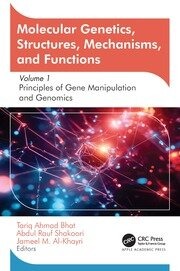
Molecular genetics, structures, mechanisms, and functions : Principles of gene manipulation and genomics ; Vol.1
Provides an overview of the future of genetic engineering and delves into the role of biotechnology and its applications in genetic engineering. It discusses the tools of recombinant technology, which have brought about revolution in our understanding of various complex biological phenomena. Chapters cover mutagenesis, construction, and sequencing of DNA libraries along with applications of genetic engineering for improving health, preventing genetic diseases, enhancing food resources, managing environmental bioremediation, and more. Topics include genetic engineering tools for restriction enzymes and vectors, gene and cell division, mutation detection and screening in plants, population genetics, sexuality in bacteria, and more. Several chapters focus on the tools of recombinant technology, such as restriction enzymes, vectors, etc., that have paved the way for creating organisms of choice and opened new horizons in the field of medicine, agriculture, and industry for human welfare.
