



الصفحة 10
الصفحة 10
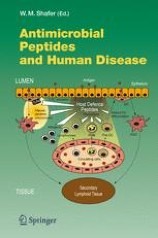
Antimicrobial peptides and human disease
Microbes are in our midst soon after birth. Thankfully, the number of harmless (and often beneficial) microbes far outnumber those that would do us harm. Our ability to ward-off pathogens in our environment, including those that can colonize our exterior and/or interior surfaces, depends on the integrative action of the innate and adaptive immunity systems. This volume of CTMI, entitled Antimicrobial Peptides and Human Disease, is dedicated to the role of antimicrobial peptides (AMPs) in the innate host defense system of homo sapiens.

An overview of systemic lupus erythematosus (SLE) : Pathogenesis, classification, and management
Systemic lupus erythematosus (SLE), commonly referred to as lupus, is a complex and chronic autoimmune disorder that poses significant challenges to patients and healthcare providers alike. Affecting predominantly women of childbearing age, over 90% of those diagnosed are female, resulting in a striking female-to-male ratio of approximately 9:1. This condition exemplifies the intricate interplay between immune dysregulation and tissue damage, influenced by a combination of genetic predispositions, environmental triggers, hormonal factors, and immunological aberrations

Alzheimer's disease : Peptide vaccine and immunotherapy
Peptide vaccines and immunotherapies against aggregating proteins involved in the pathogenesis and progression of Alzheimer's disease (AD) the ẞ-amyloid peptide (Aẞ) and tau are promising therapeutic avenues against AD. Two decades of effort has led to the controversial United States Food and Drug Administration (FDA) approval of the monoclonal antibody Aducamumab (Aduhelm), which has subsequentially sparked the revival and expedited review of promising monoclonal antibody immunotherapies that target Aẞ.
Alzheimers Disease
Alzheimer’s disease (AD) is a neurodegenerative disease that robs the minds of our elderly population. Approximately one in every eight adults over the age of 65 and nearly half of those over 85 are afflicted with this disease. The aging population in developed societies will impose an ever increasing socioeconomic threat in the future. Current medicines for AD patients are mainly symptomatic treatments and a huge unmet medical need exists to slow the progression of this disease. A great deal of research has been dedicated to understanding the pathogenesis of AD from which comes many ideas for intervening with its progression. Some of these ideas have been fast-tracked to clinical trials due to the availability of medicines with proven clinical efficacies for other diseases (e.g. atorvastatin, simvastatin, rosiglitazone and clioquinol) while others represent novel chemical entities (e.g. glycogen synthase kinase-3 inhibitors).
Allelochemicals : Biological Control of Plant Pathogens and Diseases
This book is organized around the indication that allelochemicals can be employed for biological control of plant pathogens and plant diseases. Specifically, this volume focuses on (i) discovery and development of natural product based fungicides for agriculture, (ii) direct use of allelochemicals as well as indirect effects through cover crops and organic amendments for plant parasitic pest control and (iii) application of allelopathy in pest management.
Alicyclobacillus : Thermophilic Acidophilic Bacilli
Soft drinks with pHs lower than 4. 0 are subjected to minimum pasteuri- tion at 65 °C for 10 min as required by the Japanese Food Sanitation Law. Not only pathogenic bacteria but most spore-forming bacteria are unable to grow at this low pH condition, and thus reports of microbial spoilage in pasteurized acidic soft drinks are rare. Since 1982, when the spoilage of aseptically packed apple juice was - tributed to a new type of acidophilic spore-forming bacteria in Germany, a succession of similar complaints regarding other fruit juice concentrates and their products has been received. In the beginning, the bacteria were classified in the genus Bacillus, but later, in 1992, the new genus Ali- clobacillus was proposed owing to their characteristic cellular membranes containing omega-alicyclic fatty acids. A group of Alicyclobacillus strains, responsible for the tainting of fruit juices, was then described as A. a- doterrestris in 1999. They are acidophilic and grow preferably at around pH 4. 0. They are thermophilic and grow better at temperatures above 40 °C. This indicates that we might have been missing them by our or- nary methods of bacterial detection at pH 7. 0 and 35 °C.
Agrobacterium : From Biology to Biotechnology
Agrobacterium’ is a comprehensive book on Agrobacterium research, including its history, application, basic biology discoveries, and effects on human society. Although the book largely focuses on providing a detailed review of virtually all molecular events of the genetic transformation process, it also provides coverage of ethical and legal issues relevant to the use of Agrobacterium as a "genetic transformation machine". The result is an all-inclusive text which readers—including scientists and students involved in plant genetic engineering—will find useful as a reference source for all major aspects of the Agrobacterium-mediated genetic transformation of plant and non-plant organisms.
Advanced Environmental Monitoring
This book deals with recent developments and applications of environmental monitoring technologies, with emphasis on optical and biological methods that are rapidly progressing through the integration of emerging technologies from various disciplines.
Acute Myelogenous Leukemia
The focus is on selected critical molecular determinants of AML pathogenesis and pathophysiology and the exploitation of these factors by diverse therapeutic agents and modalities. Bringing together new concepts and findings in the basic and clinical science of AML, the book emphasizes the molecular basis for new therapies that stand to have the greatest potential impact on the clinical face of these diseases. The text provides insights into selected novel strategies currently and prospectively being developed, including interruption of specific signal transduction pathways, modulation of gene expression, attempts to reinstate differentiation, and immunomodulation.
Actin-Binding Proteins and Disease
This volume, written by experts in the field, is the first to deal with the relationship between human disease and the actin cytoskeleton. It provides overviews of actin and selected actin-binding proteins, and then focuses on diseases that involve these proteins. Specific chapters deal with actin, cofilin, profilin, gelsolin and thymosin ¾4. Other chapters discuss the roles of multiple actin-binding proteins in cancer and metastasis, leukocyte disorders, and heart failure, and there is a chapter that describes how intracellular pathogens use the host actin cytoskeleton. This seminal volume is intended for researchers, clinicians, physicians, and graduate students in the fields of biochemistry, cell biology, microbiology, immunology, and genetics.

A theoretical and clinical study about multiple sclerosis
Multiple sclerosis is a one of those diseases such as Alzheimer in which no cure excites yet, any type of degradation in the neurological system is hard to restore, and more difficult in such a disease that it has a wide range of symptoms from the eye injury till some difficulty in walking to many other symptoms in which we will highlight in our project to increase public health awareness to consider such a relatively unknown disease in differential diagnosis...

A Study about Prevalence of Thalassemia Complications in Syrian Patients
Inherited haemoglobin disorders, including thalassemia and sickle-cell disease, are the most common monogenic diseases worldwide. Several clinical forms of α-thalassemia and β-thalassemia, including the co-inheritance of β-thalassemia with haemoglobin E resulting in haemoglobin E/β-thalassemia, have been described. The disease hallmarks include imbalance in the α/β-globin chain ratio, ineffective erythropoiesis, chronic hemolytic anemia, compensatory hemopoietin expansion, hypercoagulability, and increased intestinal iron absorption. The complications of iron overload, arising from transfusions that represent the basis of disease management in most patients with severe thalassemia. The mature Hb molecule is a tetramer composed of 2 a-globin and 2 b-globin polypeptides, which assemble, along with a heme prosthetic group, to form the complete molecule.
