




Attention-deficit hyperactivity disorder (ADHD)
ADHD, called attention-deficit disorder, is a behavior disorder, usually first diagnosed in childhood, that is characterized by inattention, impulsivity, and, in some cases, hyperactivity. These symptoms usually occur together; however, one may occur without the other(s). The symptoms of hyperactivity, when present, are almost always apparent by the age of 7 and may be present in very young preschoolers. Inattention or attention-deficit may not be evident until a child faces the expectations of elementary school ADHD IN CHILDREN is a chronic condition that affects millions of children and often continues into adulthood.
كتب مشابهة

Kumar and Clarks cases in clinical medicine
Provides a comprehensive collection of over 200 real-life clinical cases designed to support clinical reasoning and enhance diagnostic and management skills through case-based learning. The cases cover a wide range of acute symptoms and conditions encountered in medicine, with clear and concise advice on diagnosis and management. The level of detail is ideal for exam revision as well as to support junior doctors and other healthcare professionals on the wards.

Knowledge, practices, and awareness of safety risks associated with antiemetic use: A cross-sectional study
Highlighted a high prevalence of self-medication, with most participants keeping these drugs at home due to their accessibility and low cost. A strong correlation was observed between educational level and awareness; individuals with higher education were more likely to seek professional advice and carefully read drug leaflets. Conversely, lower educational groups and younger participants showed a greater tendency to repeat doses without consultation or rely on home remedies.
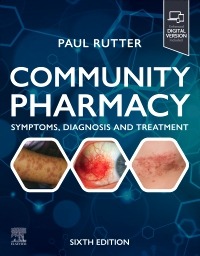
Community pharmacy : symptoms, diagnosis and treatment
Support pharmacists in identifying, diagnosing, treating or referring the illnesses and conditions they will commonly encounter in the community. A logical structure covers the full range of common presentations, including respiratory, ear, eye, gastroenterological and skin conditions. Clear pictures, referral criteria and summaries of treatment options support clinical reasoning, differential diagnosis and selection of appropriate products. Suitable for both pharmacy students and qualified pharmacists, the sixth edition has been fully updated to align with changes to the pharmacy curriculum and the rapidly expanding scope of pharmacists working in primary care and community pharmacy.
Autoimmunity : Methods and protocols
Brings together a comprehensive and up-to-date collection of protocols that reflect the diverse experimental strategies. Chapters detail T-cell, macrophage characterization, neutrophil functional assays, organoid culture methods, spatial transcriptomics, RNA FISH, microRNA profiling, and ribosome profiling. Written in the highly successful Methods in Molecular Biology series format, chapters include introductions to their respective topics, lists of the necessary materials and reagents, step-by-step, readily reproducible laboratory protocols, and key tips on troubleshooting and avoiding known pitfalls.
