



الصفحة 1
الصفحة 1

Introduction to Assembly Language Programming : For Pentium and RISC Processors
Assembly language continues to hold a core position in the programming world because of its similar structure to machine language and its very close links to underlying computer-processor architecture and design. These features allow for high processing speed, low memory demands, and the capacity to act directly on the system’s hardware. This completely revised second edition of the highly successful Introduction to Assembly Language Programming introduces readers to assembly language programming and its role in computer programming and design. It focuses on providing a firm grasp of the main features of assembly programming, and how it can be used to improve a computer's performance. The revised edition covers a broad scope of subjects and adds valuable material on protected-mode Pentium programming, MIPS assembly language programming, and use of the NASM and SPIM assemblers for a Linux orientation. All of the language's main features are covered in depth. The book requires only some basic experience with a structured, high-level language.

Guide to Assembly Language Programming in Linux
This unique guide provides comprehensive coverage of the key elements of Assembly language programming with in-depth coverage of the Linux operating system, which is the fastest-growing operating system with an estimated 18 million Linux users worldwide. The book specifically targets professionals who would like to learn Assembly and intend or expect to move to the Linux operating system. This highly useful guidebook comes complete with all the necessary software (Linux, NASM, debugger), making it an extremely valuable resource tool for all those who want to learn Assembly programming and Linux. Readers need only have a basic knowledge of any structured, high-level language such as C to obtain the full benefits of this guidebook.
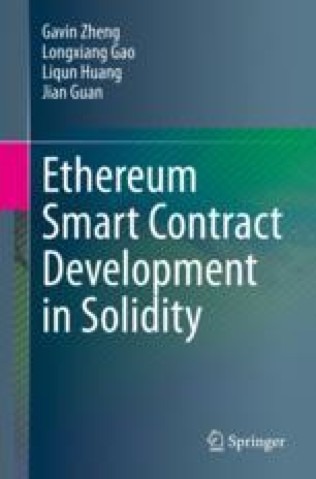
Ethereum Smart Contract Development in Solidity
This book introduces readers to the Solidity language from scratch, together with case studies and examples. It also covers advanced topics and explains the working mechanism of smart contracts in depth. Further, it includes relevant examples that shed new light on the forefront of Solidity programming. In short, it equips readers with essential practical skills, allowing them to quickly catch up and start using Solidity programming.

Embedded computer systems : Architectures, modeling, and simulation ; Vol. 3553 ; 5th International Workshop, SAMOS 2005, Samos, Greece, July 18-20, Proceedings
The SAMOS workshop is an international gathering of highly quali?ed researchers from academia and industry, sharing in a 3-day lively discussion on the quiet and - spiring northern mountainside of the Mediterranean island of Samos. As a tradition, the workshop features workshop presentations in the morning, while after lunch all kinds of informal discussions and nut-cracking gatherings take place. The workshop is unique in the sense that not only solved research problems are presented and discussed but also (partly) unsolved problems and in-depth topical reviews can be unleashed in the sci- ti?c arena. Consequently, the workshop provides the participants with an environment where collaboration rather than competition is fostered. The earlier workshops, SAMOS I–IV (2001–2004), were composed only of invited presentations. Due to increasing expressions of interest in the workshop, the Program Committee of SAMOS V decided to open the workshop for all submissions. As a result the SAMOS workshop gained an immediate popularity; a total of 114 submitted papers were received for evaluation. The papers came from 24 countries and regions: Austria (1), Belgium (2), Brazil (5), Canada (4), China (12), Cyprus (2), Czech Republic (1), Finland (15), France (6), Germany (8), Greece (5), Hong Kong (2), India (2), Iran (1), Korea (24), The Netherlands (7), Pakistan (1), Poland (2), Spain (2), Sweden (2), T- wan (1), Turkey (2), UK (2), and USA (5). We are grateful to all of the authors who submitted papers to the workshop.
