


تحسين النتائح
ترتيب حسب
من
الى


Details protocols ranging from high yield production metabolically labeled KRAS for NMR studies to approaches that quantify engagement of novel molecules that bind KRAS in live cells. Chapters focus on protein production and characterization, biochemical assays, cell-based assays, KRAS-membrane interactions, targeting KRAS, and cell models.

This scientific biography commemorates the 10th anniversary of Köhler's untimely death. It describes his scientific and personal biography, based on 10 years of close personal and professional relationship between Eichmann and Köhler, as well as interviews with many colleagues and friends, including his "Doktorvater" and mentor Fritz Melchers. Köhler's scientific achievements are explained in a way to make them understandable for the general public and discussed in the historical context of the immunological research at the time.

A broad array of themes concerned with research on epilepsy and kindling is covered in the book: Pathogenesis of kindling, including developmental patterns; electrophysiology; anatomy, morphology, and neural circuitry; genes, species, and strains; synaptic pharmacology and neurochemistry ; Behavioral consequences of kindling ; Drugs and interventions against kindling ; Clinical relevance of kindling for our understanding of epilepsy in patients

Represents a critical appraisal of the major clinical trials that have had a significant impact on clinical research and practice during the last decade. Each trial follows a strict format, starting with reference to the original source of publication, details on the key investigators and their methods of research. The strengths and weaknesses of each trial are discussed as well as their influence on clinical practice. Articles are complemented by a diagrammatic summary of the trial design and the key findings.

Ketamine for Treatment-Resistant Depression: Neurobiology and Applications provides a simple, evidence-based overview for neuropsychiatrists and translational researchers on this medication, its mechanisms of actions, eligibility of patients for treatment, and the preparation and implementation of ketamine clinics.

The most comprehensive and authoritative pharmacology text --updated with new content and USMLE-style questions Presented in full-color and packed with hundreds of illustrations, Basic and Clinical Pharmacology is the wide-ranging, engaging guide students have counted on for decades. To be as clinically relevant as possible, the book includes sections that specifically address the clinical choice and use of drugs in patients and the monitoring of their effects, along with case studies that introduce clinical problems. Each chapter opens with a case study, covers drug groups and prototypes, and closes with summary tables and diagrams that encapsulate important information. Updated to reflect the latest research, this sixteenth edition features a new chapter on cannabinoids, USMLE-style questions, new drug tables, and more. Basic and Clinical Pharmacology, Sixteenth Edition features: * 330 full-color illustrations * NEW: 100 drug tables * NEW: 50 USMLE-style questions * NEW: Chapter on cannabinoids * A strong emphasis on drug groups and prototypes * Case studies and chapter-ending summary tables * Organization that reflects the syllabi of pharmacology courses * Descriptions of important new drugs
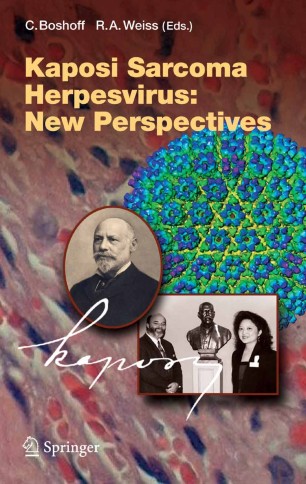
Since the identificationof two sequences fromKSHV,wehave learnedmuch about this pathogen as reflected in this book. As it turned out, KSHV itself encodes for a number of cytokines, and induces cellular cytokine secretion, contributing to tumour growth. Moreover, KSHV vFLIP targets the IKKNFκB axis to encourage the inflammatory microenvironment observed by Gallo and his colleagues. KSHV continues to elucidate both mechanisms of viral oncogenesis, and cellular and immune pathways involved in non-viral driven neoplasia.

Illustrates how individual bioinformatics applications (such as BLAST and Genscan) can be stitched together into a pipeline so that users can direct the output of one tool (for example, gene predictions using Genscan) to perform further analysis (say, homology searching using BLAST).

This volume presents the proceedings of the eighth Colloquium Crustacea Decapoda Mediterranea, which was held at the Ionian University on Corfu Island, Greece, from 2 to 6 September 2002, and reflects recent advancements in decapod crustacean research. The meeting is the oldest European carcinological event, organized regularly at 3-year intervals since 1972. Although focused on the Mediterranean Sea, worldwide contributions provided a forum for fruitful contact and scientific exchange. The book covers up-to-date issues in decapod crustacean research, including genetics, morphology, reproduction, ecology, behaviour and fisheries, and it is primarily aimed at scientists interested in decapod crustacean research, but other scientists and decision-makers working on marine ecology and fisheries will also find up-to-date information on relevant issues.

Computational and Statistical Approaches to Genomics, 2nd Edition, aims to help researchers deal with current genomic challenges. During the three years after the publication of the first edition of this book, the computational and statistical research in genomics have become increasingly more important and indispensable for understanding cellular behavior under a variety of environmental conditions and for tackling challenging clinical problems. In the first edition, the organizational structure was: data à analysis à synthesis à application. In the second edition, the same structure remains, but the chapters that primarily focused on applications have been deleted.

Interactions matter. To understand the distributions of plants and animals in a landscape you need to understand how they interact with each other, and with their environment. The resulting networks of interactions make ecosystems highly complex. Recent research on complexity and artificial life provides many new insights about patterns and processes in landscapes and ecosystems. This book provides the first overview of that work for general readers. It covers such topics as connectivity, criticality, feedback, and networks, as well as their impact on the stability and predictability of ecosystem dynamics. With over 60 years of research experience of both ecology and complexity, the authors are uniquely qualified to provide a new perspective on traditional ecology.
Complex Systems Science in Biomedicine covers the emerging field of systems science involving the application of physics, mathematics, engineering and computational methods and techniques to the study of biomedicine including nonlinear dynamics at the molecular, cellular, multi-cellular tissue, and organismic level. With all chapters helmed by leading scientists in the field, Complex Systems Science in Biomedicine's goal is to offer its audience a timely compendium of the ongoing research directed to the understanding of biological processes as whole systems instead of as isolated component parts.
Features contributions from several Italian research groups that are working on the field of biomedicine. Each chapter in this book deals with a specific subfield, with the aim of providing an overview of the subject and an account of the research results.

The new series "Microbiology Monographs" begins with two volumes on intracellular components in prokaryotes. In this second volume, "Complex Intracellular Structures in Prokaryotes", the components, labeled complex intracellular structures, encompass a multitude of important cellular functions. Continuing and newly initiated research will provide a clearer understanding of the complex intracellular structures known at present and will bring to light surprising new ones as well.

Book has focused on the broad structural investigation of the anorectum and on the focused management of largely “functional” problems. And it has done so in style. For this is a core area of specialist practice;your more general colleagues may think twice before referring you new cases of cancer and in?ammatory bowel disease (both also central areas in colorectal surgery), but they will not hesitate in referring the patients whose inves- gation and management are described here. And they will expect you to know how to deal with them. These are some of the most challenging patients to manage. Rightly have the editors covered the physiological areas,rightly the psychological issues, rightly the medicolegal aspects: here is the making of a specialist—the sword and the shield.

It is evident that a defective or deregulated complement system results in kidney diseases. An important role of complement effector and regulatory proteins in pathological settings of the kidney has been demonstrated. A large panel of distinct human kidney diseases is caused by defective complement control. Genetic analyses have identified mutations in complement regulators that are associated with these diseases. Mutations have been identified in the fluid phase alternative pathway regulator Factor H and the membrane regulator Membrane Cofactor Protein MCP (CD46). The functional characterization of the mutant proteins allows to define the pathophysiological events on a molecular level. These new concepts and data on disease mechanisms allowed establishing new diagnostic and promising therapeutic approaches for several human kidney diseases. Molecular biology, clinics and therapy are discussed in this volume.

In this book, the author develops a novel justificatory framework for making judgments of decisional competence to consent to biomedical research with reference to five groups of cognitively vulnerable individuals - older children and adolescents, adults with intellectual disabilities, adults with depression, adults with schizophrenia and adults with dementia, including Alzheimer’s disease.
This unique guide provides a comprehensive, current, and accurate A-Z encyclopaedia to clarify the meaning of surface microscopic and dermoscopic terminology including a broad range of both melanocytic and non-melanocytic skin lesions.
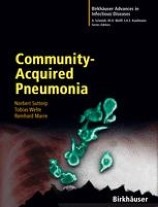
Community-acquired pneumonia (CAP) is a disease associated with high morbidity and mortality, with at least one third of cases requiring hospitalization, exceeding the numbers admitted for myocardial infarction and stroke. Despite a broad armamentarium of antimicrobials available, it remains an important cause of death in industrialized countries. CAP is caused by a variety of pathogens with their order of importance dependent on the location and population studied. Despite the importance of CAP, reliable data and a recommended evidence-based therapy are lacking, and basic research must be improved. The goal of this volume is to present state-of-the-art knowledge on epidemiology, clinical presentation, immunology, pathology, and diagnosis including the identification of "new pathogens". Therapeutic approaches, antibiotics resistance, disease management and vaccination strategies are also covered. The volume is of interest to researchers and clinicians in virology, epidemiology and biomedicine.
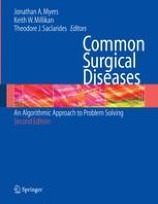
Common Surgical Diseases: An Algorithmic Approach to Problem Solving, provides surgical residents and house staff with a current, concise and algorithmic approach to frequently encountered clinical challenges.

سوريا - اتستراد درعا - غباغب
+963-15 2050 - 15 860 380 /1/2/3 - 11 662 3900