


تحسين النتائح
ترتيب حسب
من
الى

he most conspicuous biological invasions in terrestrial ecosystems have been by exotic plants, insects and vertebrates. Less conspicuous but possibly of equal importance are invasions by soil invertebrates, which are occurring literally beneath our feet. Familiar examples include the South American fire ant (Solenopsis invicta) which has invaded North America and Australia, and the New Zealand flatworm (Arthurdendyus triangulatus) which has become wide-spread in the United Kingdom; both have caused considerable ecological and economic damage. There is now evidence that exotic earthworm invasions are increasing world-wide and may be having significant impacts on soil processes and plant communities in some regions. Much remains to be learned about these ‘cryptic’ biological invasions. The papers in this book are based on efforts by an international group of soil ecologists to assess the biological and ecological mechanisms of earthworm invasions, their geographic extent and impacts on terrestrial ecosystems, and possible means by which earthworm invasions might be mitigated.
The book examines the identity, distribution, and impact of freshwater non-indigenous species and the dynamics of their invasion. Rather than providing a broad and comprehensive review of the issue, Biological invaders in inland waters focuses on old and new invaders and also raises questions and opens perspectives that provide a starting point for further research. The ultimate purpose of this book is to help define a more general framework for our knowledge of invasions in fresh waters. Such a framework will be indispensable to the planning of a science-based management program.
Many plants, animals, and microbes use adhesive polymers and structures to attach to inert substrates, to each other, or to other organisms. This is the first major review that brings together research on many of the well-known biological adhesives. Emphasizing the diversity of biological adhesives and associated adhesion processes, it deals with bacteria, fungi, algae, and marine and terrestrial animals. It bridges a variety of disciplines including biochemistry, molecular biology, biomechanics, bioengineering, microbiology, organism structure and function, and ultrastructure. As we learn more about the molecular and mechanical properties of these adhesives, we begin to understand why they adhere so well and how they develop cohesive strength. With this understanding comes the prospect of developing synthetic or semi-synthetic adhesives with broad applications in areas such as medicine, dentistry, and biotechnology. The book is suitable for both industrial and academic researchers.
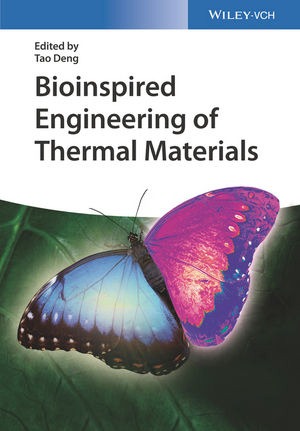
A comprehensive overview and summary of recent achievements and the latest trends in bioinspired thermal materials. Following an introduction to different thermal materials and their effective heat transfer to other materials, the text discusses heat detection materials that are inspired by biological systems, such as fire beetles and butterflies. There then follow descriptions of materials with thermal management functionality, including those for evaporation and condensation, heat transfer and thermal insulation materials, as modeled on snake skins, polar bears and fire-resistant trees.
Collaborative research in bioinformatics and systems biology is a key element of modern biology and health research. This book highlights and provides access to many of the methods, environments, results and resources involved, including integral laboratory data generation and experimentation and clinical activities. Collaborative projects embody a research paradigm that connects many of the top scientists, institutions, their resources and research worldwide, resulting in first-class contributions to bioinformatics and systems biology. Central themes include describing processes and results in collaborative research projects using computational biology and providing a guide for researchers to access them. The book is also a practical guide on how science is managed. It shows how collaborative researchers are putting results together in a way accessible to the entire biomedical community.
This book offers a framework for understanding how the Holocaust has shaped and continues to shape medical ethics, health policy, and questions related to human rights around the world. The field of bioethics continues to face questions of social and medical controversy that have their roots in the lessons of the Holocaust, such as debates over beginning-of-life and medical genetics, end-of-life matters such as medical aid in dying, the development of ethical codes and regulations to guide human subject research, and human rights abuses in vulnerable populations. As the only example of medically sanctioned genocide in history, and one that used medicine and science to fundamentally undermine human dignity and the moral foundation of society, the Holocaust provides an invaluable framework for exploring current issues in bioethics and society today. This book, therefore, is of great value to all current and future ethicists, medical practitioners and policymakers – as well as laypeople.
Proceedings of the NATO Advanced Research Workshop on The Mechanisms of the Biological Effect on Extra High Power Pulses (EHPP), Yerevan, Armenia 3 - 5 March 2005
This book brings together a selection of original studies submitted to Biodiversity and Conservation that address biodiversity and conservation in Europe. Europe is certainly the most intensively inventoried region of the world; detailed maps are available for species distributions while action plans are being drawn up for species under threat. At the same time, the wildlife of Europe has been subject to enormous human pressures, with limited ‘wilderness’ sites remaining in most countries. Europe consequently presents a case-study of what the human impact on biodiversity has been, and also what can be done to improve the situation.
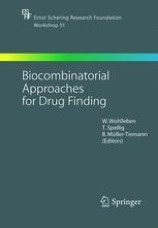
Genome- and proteome-based research is generating a significant increase in the number of available drug targets. Correspondingly there is an increasing need for novel, diverse compounds, particularly based on natural compounds, as screening resource
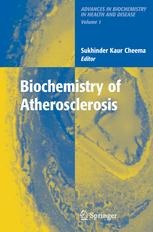
Advances in Biochemistry in Heath and Disease presents state-of-the-art discussions in cutting-edge biochemical research, offering exciting developments that impact healthcare and disease research. Volumes in the series focus on cross-disciplinary biomedical research and examine various topics in biochemistry, cell biology, molecular biology, and biomedicine. Biochemistry of Atherosclerosis examines atherosclerosis in great detail, focusing on the risk of atherosclerosis, and the biochemical pathways involved. It provides a breadth of knowledge as well as new insights into a variety of topics relating to atherosclerosis from leading scientists around the world who are at the forefront of atherosclerosis research. Biochemistry of Atherosclerosis is essential reading for biomedical and clinical researchers.
In this edited book, we highlight the central players in the Bionanotechnology field, which are the nanostructures and biomolecules. The book starts by describing how nanostructures are synthesized and by describing the wide variety of nanostructures available for biological research and applications. Also shown are the techniques used to synthesize a wide variety of biological molecules. Next, there is a focus on the assembly of nanostructures with biological molecules, which could lead to the design of multi-functional nanosystems. In the following chapters, examples of the unique properties of nanostructures are provided along with the current applications of these nanostructures in biology and medicine. Some applications include the use of gold nanoparticles in diagnostic applications, quantum dots and silica nanoparticles for imaging, and liposomes for drug delivery. In the final chapters of the book, the toxicity of nanostructures are described. This book provides broad examples of current developments in Bionanotechnology research and would be an excellent introduction to the field.
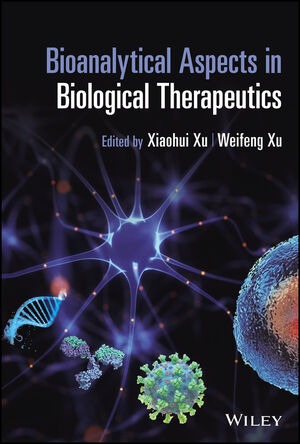
The book discusses the challenges and considerations for bioanalytical support, covering a wide range of central topics in the field, including overview and basic immunology for testing of biological therapeutics, pharmacokinetic aspects, clinical immunogenicity prediction and testing, biomarker testing, biotransformation assessment for biologics, statistical aspects of bioanalytical testing, regulatory expectations, and more
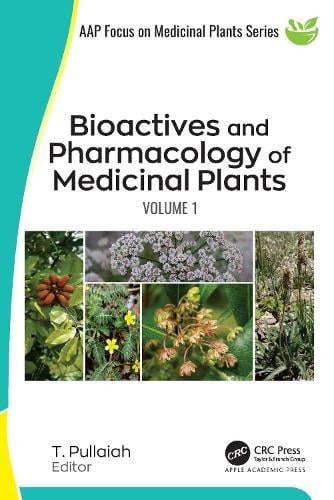
Bioctives and Pharmacology of Medicinal Plants, concisely presents an abundance of important information on the bioactive and pharmacological properties of medicinal plants. It provides valuable comprehensive research and studies on bioactive phytocompounds of over 68 important medicinal plants with beneficial properties. For each species included in the volume, a brief introduction is given along with their bioactive compounds and chemical structures, followed by their chief pharmacological activities that include antiviral, antimicrobial, antioxidant, anti-cancer, anti-inflammatory, antidiabetic, hepatoprotective, nephroprotective, and cardioprotective activities. A review of the published literature on pharmacological activities on each species is included also, providing a thorough resource on each of the plants covered in the volume.
A variety of bioactives and therapeutics from the legume family (Fabaceae or Leguminosae) are thoroughly detailed. For each species included in the volume, a brief introduction is given, the plant’s bioactive compounds are listed, and its chemical structures shown, followed by their pharmacological activities. Many of these plants have medicinal activities that include antiviral, antimicrobial, antioxidant, anticancer, anti-inflammatory, and antidiabetic, hepatoprotective, nephroprotective and cardioprotective. The biochemical characteristics of the 37 plants included, such as the type of starch, protein, and fibers, can be exploited as binders, excipients, thickeners, and dispersants in the formulation of various products in the pharmaceutical industry. The published literature on the pharmacological activities on each species is reviewed and presented in a concise and clear manner.
Provides a wealth of information on plants in the Lamiaceae family, noted for their essential oils and bioactives and pharmacological properties. The chapters investigate a wide variety of species, providing for each an introduction, characteristics, properties, distribution, traditional uses, and current and potential pharmacological applications. Aiming to be a resource for the development of new drugs based on species within the Lamiaceae family, the volume discusses 26 species, including bungleweed (Ajuga), Malabar catmint (Anisomeles malabarica), beechwood (Gmelina arborea), Brazilian mint (Hyptis crenata), rosemary (Rosmarinus officinalis L.), holy basil (Ocimum tenuiflorum), and many more.
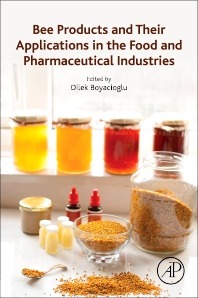
Focuses on the health benefits of selected bee products by looking more closely at their pharmacological potentials and therapeutic applications in coping with various diseases. The book explores some of these products, such as royal jelly, propolis and bee venom, which is highly attractive to the food supplement sector due to the biological actions that are proved by scientific studies. Bee products also attract the cosmetics industry by utilizing those products in various applications such as hair products, toothpaste, sunscreen creams, lip balsams, or facial moisturizing creams. Each chapter focuses on a particular health benefit, providing more compact and detailed information about each activity for a specific interest. The mainframe of the book is based on the medicinal and pharmacological functions of bee products, with the therapeutic applications for each bee product supporting the mechanism of action of their biological functions.
Incorporating the information related to mechanisms and treatment of cardiac arrhythmia, this book discusses genetics of arrhythmias, cell signalling molecules as potential therapeutic targets and trafficking to the membrane. These approaches and implementations of anti-arrhythmic therapy derive from many decades of research.
Presents the multifaceted process of identifying a new drug in the modern era, which requires a multidisciplinary team approach with input from medicinal chemists, biologists, pharmacologists, drug metabolism experts, toxicologists, clinicians, and a host of experts from numerous additional fields. Enabling technologies such as high throughput screening, structure-based drug design, molecular modeling, pharmaceutical profiling, and translational medicine are critical to the successful development of marketable therapeutics. Given the wide range of disciplines and techniques that are required for cutting edge drug discovery and development, a scientist must master their own fields as well as have a fundamental understanding of their collaborator’s fields.
Covers the important concepts students need to know about the science of pharmacology and its application to clinical practice. This edition has been extensively updated to provide expanded coverage of transporters, pharmacogenomics, and new drugs Delivers the knowledge and insight needed to excel in every facet of pharmacology!. Encompasses all aspects of medical pharmacology, including botanicals and over-the-counter drugs Major revisions of the chapters on immunopharmacology, antiseizure, antipsychotic, antidepressant, antidiabetic, anti-inflammatory, and antiviral drugs, prostaglandins, and central nervous system neurotransmitters New chapter on the increasingly relevant topic of cannabis pharmacology Each chapter opens with a case study, covers drug groups and prototypes, and closes with summary tables and diagrams that encapsulate important information Revised full-color illustrations provide more information about drug mechanisms and effects and help clarify important concepts Trade Name/Generic Name tables are provided at end of each chapter for easy reference when writing a chart order or prescription Includes descriptions of important new drugs released through May 2019 New and updated coverage of general concepts relating to recently discovered receptors, receptor mechanisms, and drug transporters
Examines the complex interactions associated with clinical toxicological events as a result of therapeutic drug administration or chemical exposure. Special emphasis is placed on signs and symptoms of diseases and pathology caused by toxins and clinical drugs. Includes the source, pharmacological and toxicological mechanism of action, detection and identification in body fluids, and treatment of exposure. An overview of protocols for managing various toxic ingestions, and the antidotes and treatments associated with their pathology, are discussed. In addition, effect of toxins on a limited number of body systems and drug-induced adverse drug reactions are also covered

سوريا - اتستراد درعا - غباغب
+963-15 2050 - 15 860 380 /1/2/3 - 11 662 3900