


Refine Results
Sort By
From
To


Provides an update on all the disorders of the hematopoietic system with dermatological expression or with a cutaneous origin. Myeloproliferative and myelodysplastic syndromes, leukemias, lymphomas and cutaneous histiocytoses are thus widely described in the light of the latest clinical (classification, new entities) and therapeutic advances.
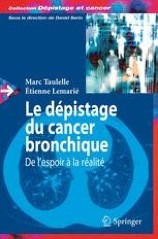
An ambitious program has been launched in terms of research, diagnosis, prevention, and screening. Among cancers, the leading cause of cancer death is lung cancer. This disease, so closely linked to behavioral habits, both focuses and encapsulates the problem. Despite constant progress in treatment, the prognosis remains bleak, explaining the fatalistic impression left by the last decade. While significant efforts were being made in screening for other cancer sites, lung cancer remained in the shadows, with studies showing limited effectiveness in this approach. The advent of spiral CT scanning has revolutionized the field, giving rise to new hope alongside anti-smoking campaigns. Autofluorescence endoscopy, by enabling the diagnosis of pre-neoplastic lesions, completes an arsenal that finally allows us to envision an effective, combined strategy. This book brings together all the elements relating to screening and early diagnosis. The road from hope to reality is long, but we must acknowledge that, for the first time, we know it exists.
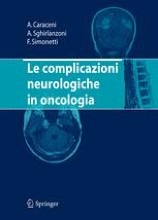
This volume, both necessary and new in the panorama of Italian medical literature, acknowledges this and presents an updated and complete review of the pathologies of the central and peripheral nervous system associated with tumors and their treatment. The purpose of the volume is to present an integrated approach between specialists that must see the neurologist and the oncologist in dialogue, and able to develop a new super-specialized clinical capacity in neuro-oncology. Many experts have contributed to its preparation by sharing knowledge on topics ranging from metastatic complications, to those of surgical cancer therapy, radio- and chemo-therapy, paraneoplastic syndromes, pain therapy, delirium and the affective alterations associated with the disease. The book is aimed in particular at neurologists, oncologists, palliative care practitioners and surgeons, but it is certainly useful for general practitioners and all operators who are daily involved in the demanding work of taking care of cancer patients.
This volume contains the main proceedings of the fourth international conference on "Cancer Prevention 2006," which was held during February 16–18, 2006, in St. Gallen, Switzerland. Written by international experts in the field, the book comprises a comprehensive update on the most recent developments in the upsurging fields of molecular biology and cancer genetics and their interactions with clinical epidemiology and cancer prevention at various levels: genetic/biologic predisposition and definition of high-risk groups; preclinical models and tumor prevention; prospects of surrogate endpoints and biomarkers; progress in imaging and detection of neoplastic precursor lesions.
Description and analysis of recent developments and current trends in health policy with regard to cancer drug safety. Opens with an overview of pharmacovigilance for cancer blockbuster drugs, covering both general considerations and efforts to develop a structured framework for the identification and reporting of adverse drug reactions (ADRs). A number of important examples of serious ADRs to hematology and oncology drugs are then reviewed, with evaluation of the lessons learned and the policy implications of the ensuing legal cases and their settlements. Further, the difficulty of reporting such blockbuster side effects in the medical literature is explored in an empirical study. Significant advances have been achieved in analytic methods for the identification of ADRs, and here there is a particular focus on the value of optimal discriminant analysis. Finally, the impacts on pharmacovigilance and drug safety of the huge fines paid under the U.S. False Claims Act relating to the defrauding of governmental programs also receive careful attention – these fines are playing an important role in changing the landscape for pharmaceutical safety.
Discusses the latest techniques used to identify cancer drug resistance determinants at the molecular, cellular, and functional levels. Chapters in this book cover up-to-date topics including tumor-microenvironment cell co-culture methods and microfluidics systems; workflows for functional assessment of drug resistance in vitro and in vivo; quantitative techniques for identifying quiescent blood-flow circulating cells; and single-cell characterization methods, such as mass cytometry.
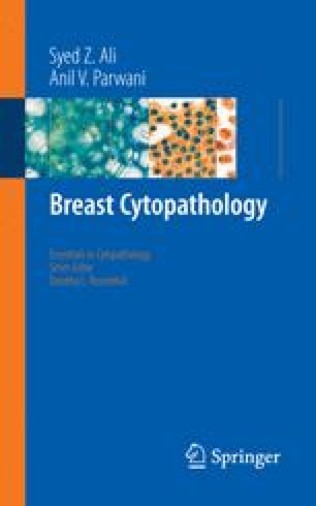
Breast Cytopathology by Syed Ali, MD and Anil Parwani, MD will fulfill the need for an easy-to-use and authoritative synopsis of breast cytopathology. This volume, part of the Essentials in Cytopathology book series, fits into the lab coat pocket and is ideal for portability and quick reference. Each volume in the series is heavily illustrated with a full color art program, while the text follows a user-friendly outline format.
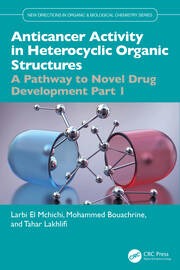
New Directions in Organic & Biological Chemistry, explores the development of cancer therapeutics, focusing on molecular chemistry and advanced drug design approaches. Written by experts in theoretical chemistry and molecular chemistry, they bridge the gap between theoretical chemistry, molecular biology, and drug development. In Part I, they focus on the fundamental properties of heterocyclic compounds and innovative methodologies being employed to enhance therapeutic potential. By exploring various classes of heterocyclic compounds and diverse anticancer mechanisms.

Daraa Highway - Ghabagheb - Syria
+963-15 2050 - 15 860 380 /1/2/3 - 11 662 3900