Refine Results
Sort By
From
To



Faculties
Campus Facilities and Online Services

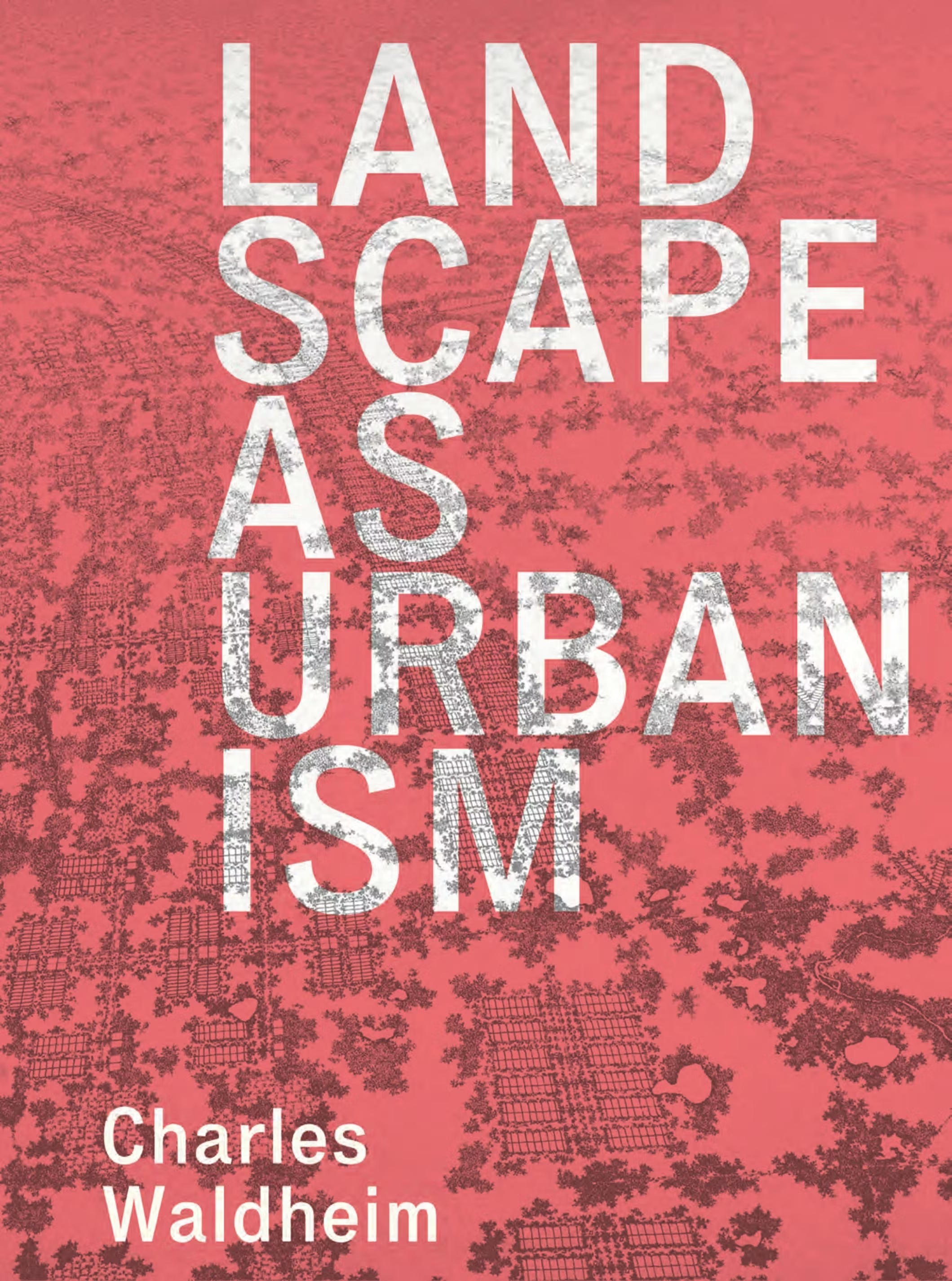
Traces the roots of landscape as a form of urbanism from its origins in the Renaissance through the twentieth century. Growing out of progressive architectural culture and populist environmentalism, the concept was further informed by the nineteenth-century invention of landscape architecture as a "new art" charged with reconciling the design of the industrial city with its ecological and social conditions. In the late twentieth and early twenty-first centuries, as urban planning shifted from design to social science, and as urban design committed to neotraditional models of town planning, landscape urbanism emerged to fill a void at the heart of the contemporary urban project.

This book is the biography of one of Britain’s foremost animal welfare campaigners and of the world of activism, science, and politics she inhabited. In 1964, Ruth Harrison’s bestseller Animal Machines triggered a gear change in modern animal protection by popularising the term ‘factory farming’ alongside a new way of thinking about animal welfare.

This book helps readers combine history, politics, and ethics to address the most pressing problem facing the world today: environmental survival. In A Climate of Justice, Marvin Brown connects the environmental crisis to basic questions of economic, social, and racial justice. Brown shows how our current social climate maintains systemic injustices, and he uncovers resources for change through a civic ethics of repair and reciprocity.
