


Refine Results
Sort By
From
To

Community-acquired pneumonia (CAP) is a disease associated with high morbidity and mortality, with at least one third of cases requiring hospitalization, exceeding the numbers admitted for myocardial infarction and stroke. Despite a broad armamentarium of antimicrobials available, it remains an important cause of death in industrialized countries. CAP is caused by a variety of pathogens with their order of importance dependent on the location and population studied. Despite the importance of CAP, reliable data and a recommended evidence-based therapy are lacking, and basic research must be improved. The goal of this volume is to present state-of-the-art knowledge on epidemiology, clinical presentation, immunology, pathology, and diagnosis including the identification of "new pathogens". Therapeutic approaches, antibiotics resistance, disease management and vaccination strategies are also covered. The volume is of interest to researchers and clinicians in virology, epidemiology and biomedicine.
Describes 247 species of 9 families of medicinal plants, which are commonly used in Chinese medicine. The most important species are Adina rubella, Gardenia jasminoides, Hedyotis diffusa, Morinda officinalis, Rubia cordifolia, Uncaria hirsuta, Uncaria macrophylla, Uncaria rhynchophylla, Uncaria sessilifructus, Uncaria sinensis of Rubiaceae; Lonicera confusa, Lonicera hypoglauca, Lonicera macranthoides, Lonicera japonica of Caprifoliaceae; Patrinia scabiosaefolia, Patrinia villosa, Nardostachys jatamansi of Valerianaceae; Dipsacus asperoides of Dipsacaceae; Arctium lappa, Artemisia annua, Artemisia argyi, Artemisia capillaris, Artemisia scoparia, Atractylodes lancea, Atractylodes macrocephala, Dendranthema indicum, Dendranthema morifolium, Eupatorium chinense, Eupatorium fortunei, Inula helenium, Saussurea costus, Saussurea involucrata, Senecio scandens, Serratula chinensis, Siegesbeckia orientalis, Solidago decurrens, Taraxacum mongolicum, Tussilago farfara、Xanthium sibiricum of Compositae; Gentiana crassicaulis, Gentiana manshurica, Gentiana rigescens, Gentiana scabra, Swertia pseudochinensis of Valerianaceae; Lysimachia christinae of Primulaceae and Plantago asiatica of Plantaginaceae.
Describes 256 species of medicinal plants from 5 families, which are commonly used in Chinese medicine. The most important species are Agrimonia pilosa, Amygdalus persica, Armeniaca mume, Armeniaca vulgaris, Armeniaca sibirica, Chaenomeles sinensis, Eriobotrya japonica of Rosaceae; Chimonanthus praecox of Calycanthaceae;Albizia julibrissin, Archidendron clypearia, Entada phaseoloides, Bauhinia championii of Mimosoideae; Caesalpinia sappan, Cassia tora, Gleditsia sinensis of Caesalpiniaceae; Abrus cantoniensis, Astragalus membranaceus, Astragalus membranaceus, Dalbergia odorifera, Desmodium caudatum, Desmodium styracifolium, Erythrina variegata, Euchresta japonica, Flemingia prostrata, Glycyrrhiza uralensis, Glycyrrhiza inflata, Glycyrrhiza glabra, Lablab purpureus, Sophora japonica and Spatholobus suberectus of Butterflyaceae. In each specie, it introduces the scientific names, medicinal names, morphologies, habitats, distributions, acquisition and processing methods of these medicinal plants, the content of medicinal properties, therapeutic effects, usage and dosage of these medicinal plants, and attaches unedited color pictures and pictures of part herbal medicines of each species. This book series has 10 volumes in total, which covers over 2000 kinds of Chinese medicines that are commonly used. These volumes not only introduce the efficacy function and some prescriptions of the medicines, but also introduce the biological characteristics of them in detail with clear photos of the habitats, so that readers can identify them in the field. Apart from the growing environment, the books expound the distribution areas and other information to facilitate researches and other applications. The volumes are targeted at readers of general interests and it is also of high referential value for scientific researcher and teachers. It can be used as a guide to researchers, clinical doctors, and students in the department of pharmaceutics and traditional Chinese medicine.
Contains 231 species of 40 families of medicinal plants. The most important family of which are Magnoliaceae, such as Magnolia officinalis and Magnolia officinalis subsp. biloba; Schisandra chinensis of Schisandraceae; Cinnamomum aromaticum of Lauraceae, Coptis chinensis Franch., Coptis omeiensis and Coptis teeta of Berberidaceae; Isatis indigotica, Lepidium apetalum and Raphanus sativus of Cruciferae; Rheum palmatum, Rheum officinale and Rheum taguticum of Polygonaceae, etc. In each specie, it introduces the scientific names, herbal medicine names, characteristics, habitats, distributions, Acquisition and processing methods, medicinal traits, tastes, functions, use and dosages, and other information of medicinal plants, and attaches unedited color pictures and pictures of part herbal medicines for each species. This book series has totally 10 volumes, which covers 2000 kinds of Chinese medicines that are commonly seen or used. These volumes not only introduce the efficacy, function and some prescriptions of the medicines, but also introduce the biological characteristics of them in detail with clear photos of the habitats, so that readers can identify them in the field. Apart from the growing environment, the books expound the distribution areas and other information to facilitate researches and other applications. The volumes are targeted at readers of general interests and it is also of high referential value for scientific researcher and teachers. It can be used as a guide to researchers, clinical doctors, and students in the department of pharmaceutics and traditional Chinese medicine.
Records 5 species of resin, 74 species of animals, 41 species of minerals and fossils. There are resins such as Liquidambar orientalis, Commiphore myrrha, Boswellia carterii, Garcinia hanburyi; animals such as Solenognathus hardwickii, , Cervus nippon, Scolopendra subspinipes, Cryptotympana pustulata, Agkistrodon acutus, Bombyx mori, Collocalia esculenta, Moschus moschiferus, Hippocampus kelloggi, Gekko gekko; minerals and fossils such as mercury, gypsum, alum, mirabilite, cinnabar, actinolite, calomel, keel, dens draconis, lithodes, fossilia spiriferis.
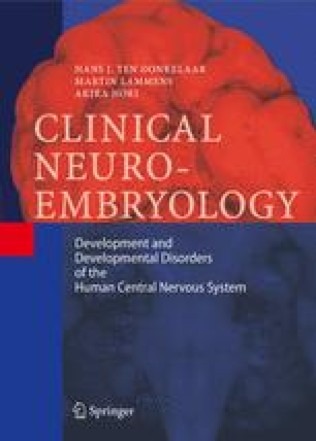
Combines data from human embryology, animal research and developmental neuropathology. This book provides an overview of the development of the human Central Nervous System (CNS) in the context of its many developmental disorders due to genetic, environmental and hypoxic causes. It highlights numerous clinical cases and contains over 400 figures.

Clinical Nephrotoxins: Renal Injury from Drugs and Chemicals is a comprehensive handbook on all aspects of adverse effects by drugs and chemical substances on the kidneys.
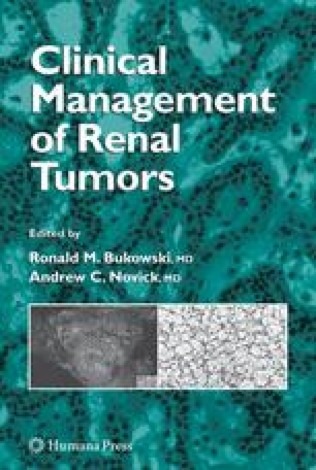
Clinical Management of Renal Tumors provides an in-depth review of the data relating to the management of renal tumors as well as an updated description regarding pathologic and molecular classification of renal tumors.
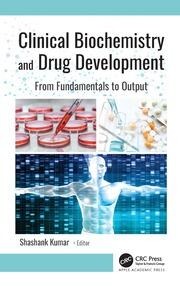
Focuses on clinical biochemistry fundamentals, cell culture techniques, and drug discovery and development concepts. It deals with three different fields of clinical research: cell culture, clinical biochemistry, and drug discovery and development.
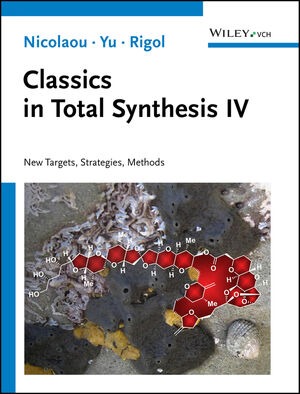
A compilation of highly important synthetic methods which lead to complex molecules with valuable properties. From the complex architectures of natural products to the streamlined synthesis of functional molecules, each chapter in Classics in Total Synthesis IV unfolds a unique story. The interplay of mechanisms, reactivity, selectivity, and stereochemical aspects is thoroughly examined, echoing the pedagogical format that has become synonymous with this series. Well-designed graphics are included throughout, and all important parts of the reaction sequences are highlighted.

This book reviews the interagency research and development effort on classical biological control in the USA from 1992-2002. The successful exploration, importation, screening, evaluation, rearing, and establishment of at least five exotic Bemisia. tabaci natural enemies in rapid response to the devastating infestations in the USA is a landmark in interagency cooperation and coordination of multiple disciplines. In this volume, the various authors present detailed reviews of natural enemy exploration, introduction, and evaluation efforts that will serve as a guide to support and encourage classical biological control inputs into other integrated pest management systems.

This new, second edition reflects considerable progress in enzymology: many enzymes are newly classified or reclassified. Each entry is correlated with references and one or more source organisms. New datafields are created: application and engineering (for the properties of enzymes where the sequence has been changed). The total amount of material contained in the Handbook has more than doubled so that the complete second edition consists of 39 volumes as well as a Synonym Index. In addition, starting in 2009, all newly classified enzymes are treated in Supplement Volumes. Springer Handbook of Enzymes is an ideal source of information for researchers in biochemistry, biotechnology, organic and analytical chemistry, and food sciences, as well as for medicinal applications

This new, second edition reflects considerable progress in enzymology: many enzymes are newly classified or reclassified. Each entry is correlated with references and one or more source organisms. New datafields are created: application and engineering (for the properties of enzymes where the sequence has been changed). The total amount of material contained in the Handbook has more than doubled so that the complete second edition consists of 39 volumes as well as a Synonym Index. In addition, starting in 2009, all newly classified enzymes are treated in Supplement Volumes. Springer Handbook of Enzymes is an ideal source of information for researchers in biochemistry, biotechnology, organic and analytical chemistry, and food sciences, as well as for medicinal applications.

This new, second edition reflects considerable progress in enzymology: many enzymes are newly classified or reclassified. Each entry is correlated with references and one or more source organisms. New datafields are created: application and engineering (for the properties of enzymes where the sequence has been changed). The total amount of material contained in the Handbook has more than doubled so that the complete second edition consists of 39 volumes as well as a Synonym Index. In addition, starting in 2009, all newly classified enzymes are treated in Supplement Volumes. Springer Handbook of Enzymes is an ideal source of information for researchers in biochemistry, biotechnology, organic and analytical chemistry, and food sciences, as well as for medicinal applications.

Springer Handbook of Enzymes provides data on enzymes sufficiently well characterized. It offers concise and complete descriptions of some 5,000 enzymes and their application areas. Data sheets are arranged in their EC-Number sequence and the volumes themselves are arranged according to enzyme classes. This new, second edition reflects considerable progress in enzymology: many enzymes are newly classified or reclassified. Each entry is correlated with references and one or more source organisms. New datafields are created: application and engineering (for the properties of enzymes where the sequence has been changed). Springer Handbook of Enzymes is an ideal source of information for researchers in biochemistry, biotechnology, organic and analytical chemistry, and food sciences, as well as for medicinal applications.

Springer Handbook of Enzymes provides data on enzymes sufficiently well characterized. It offers concise and complete descriptions of some 5,000 enzymes and their application areas. Data sheets are arranged in their EC-Number sequence and the volumes themselves are arranged according to enzyme classes. This new, second edition reflects considerable progress in enzymology: many enzymes are newly classified or reclassified. Each entry is correlated with references and one or more source organisms. New datafields are created: application and engineering (for the properties of enzymes where the sequence has been changed). Springer Handbook of Enzymes is an ideal source of information for researchers in biochemistry, biotechnology, organic and analytical chemistry, and food sciences, as well as for medicinal applications.

Springer Handbook of Enzymes provides data on enzymes sufficiently well characterized. It offers concise and complete descriptions of some 5,000 enzymes and their application areas. Data sheets are arranged in their EC-Number sequence and the volumes themselves are arranged according to enzyme classes. This new, second edition reflects considerable progress in enzymology: many enzymes are newly classified or reclassified. Each entry is correlated with references and one or more source organisms. New datafields are created: application and engineering (for the properties of enzymes where the sequence has been changed). Springer Handbook of Enzymes is an ideal source of information for researchers in biochemistry, biotechnology, organic and analytical chemistry, and food sciences, as well as for medicinal applications.

From a public health point of view, there is little doubt that one of the most important preventable causes of disease worldwide is tobacco smoking. From a scientifc point of view, we found it of interest to make a comprehensive ov- view of what we presently know about oxidative stress and tobacco smoke, because sm- ing is presently the best-known common condition associated with oxidative stress, and it may serve as a model for others. To this end, we have asked distinguished researchers from the public and the private sectors to evaluate the present scientifc status in their particular area. Authors were selected purely because of their scientifc merits.
This publication constitutes the outcome of an ESRF meeting held together with the German Research Foundation. Clinical researchers, immunologists, virologists and molecular biologists provide the latest findings in their fields, advancing our understanding of what causes chronic viral and inflammatory cardiomyopathy, why it affects a subset of individuals while sparing the majority, how we can develop better therapies, and whether the disease can be prevented. Special emphasis is placed on the role of viruses in the aetiology and pathogenesis of cardiomyopathy.
Cytogenetics is a very important research tool in basic and applied research. The uses of cytogenetics in human-population monitoring, in biological dosimetry in radiation accidents and in astronauts and as a predictive measure of cancer are topics discussed in this book. The book will help the reader to better understand cytogenetics and the intricacies of the methodology. The different methods of fluorescence in situ hybridization are discussed and the results achieved are presented. The book provides a comprehensive review of basic and applied aspects of cytogenetics and therefore will be of interest to all who are interested in chromosomes and their alterations by different types of mutagens, including chemical mutagens and ionizing and nonionizing radiation, with special reference to electromagnetic fields.

Daraa Highway - Ghabagheb - Syria
+963-15 2050 - 15 860 380 /1/2/3 - 11 662 3900