


Refine Results
Sort By
From
To

Helping to accelerate Alzheimer’s disease drug development. Addressing the latest advances in preclinical and clinical research, including new insights into the molecular mechanisms and emerging therapeutic strategies, the book continues by exploring digital biomarkers and advanced neuroimaging analysis which will transform how clinical trials in the Alzheimer’s disease field are performed.
Biological Low-Voltage Scanning Electron Microscopy is the first book to address both of these aspects of biological LVSEM. After providing a thorough description of the unique advantages and the operating constraints related to operating a scanning electron microscope at low beam voltage, the remainder of book focuses on the the best way to image all types of plant and animal cells and covers specimens that range from macromolecules to the surfaces revealed by de-embedding resin-embedded samples. Advanced specimen preparation techniques such as cryo-LVSEM, and immuno-gold-LVSEM are fully covered, as is x-ray microanalysis at low beam voltage and live-time stereo imaging. The preparative protocols provided represent the distilled essence of the experience of a group of world-renowned authors who have, for many decades, been instrumental in developing and applying new approaches to LVSEM to support their own biological research.
The conference was organized by the Laboratory of Theoretical Genetics, Institute of Cytology and Genetics, Siberian Branch of the Russian Academy of Sciences, Novosibirsk, Russia. The material covers the most recent topics in bioinformatics, including (i) regulatory genomic sequences: databases, knowledge bases, computer analysis, modeling, and recognition; (ii) large-scale genome analysis and functional annotation; (iii) gene structure detection and prediction; (iv) comparative and evolutionary genomics; (v) computer analysis of genome polymorphism and evolution; computer analysis and modeling of transcription, splicing, and translation; structural computational biology: structure- function organization of genomic DNA, RNA, and proteins; (vi) gene networks, signal transduction pathways, and genetically controlled metabolic pathways: databases, knowledge bases, computer analysis, and modeling; principles of organization, operation, and evolution; (vii) data warehousing, knowledge discovery and data mining; and (viii) analysis of basic patterns of genome operation, organization, and evolution.
Quantitative tools are becoming increasingly important in order to understand complex cascade of signal transduction events, pathways or biochemical reactions. The book showcases how computational techniques and algorithms are applied to biological data analysis, interpretation, and modelling. It covers applications in drug design and discovery, immune systems, phylogenetic analysis and protein structures.
This book provides students and researchers in the life sciences with essential practical information on how to quantitatively analyze data images. It refrains from focusing on theory, and instead uses practical examples and step-by step protocols to familiarize readers with the most commonly used image processing and analysis platforms such as ImageJ, MatLab and Python.
This open access book presents a comprehensive analysis of biofuel use strategies from an interdisciplinary perspective using sustainability science. This interdisciplinary perspective (social science-natural science) means that the strategies and policy options proposed will have significant impacts on the economy and society alike. Biofuels are expected to contribute to reducing greenhouse gas emissions, revitalizing economies in agricultural communities and alleviating poverty. However, despite these anticipated benefits, international organizations such as the FAO, OECD and UN have published reports expressing concerns that biofuel promotion may lead to deforestation, water pollution and water shortages. The impacts of biofuel use are extensive, cross-sectoral and complex, and as such, comprehensive analyses are required in order to assess the extent to which biofuels can contribute to sustainable societies.
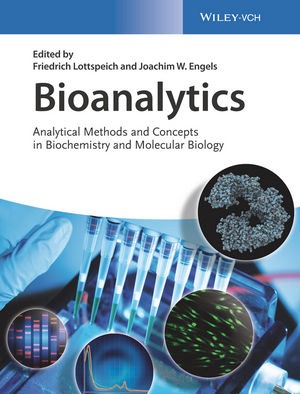
Analytical methods are the essential enabling tools of the modern biosciences. This book presents a comprehensive introduction into these analytical methods, including their physical and chemical backgrounds, as well as a discussion of the strengths and weakness of each method. It covers all major techniques for the determination and experimental analysis of biological macromolecules, including proteins, carbohydrates, lipids and nucleic acids.
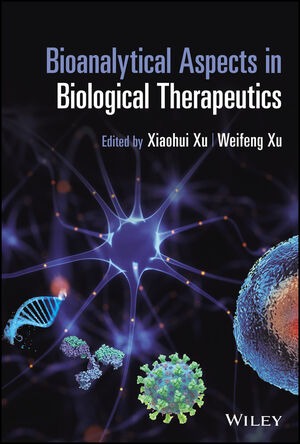
The book discusses the challenges and considerations for bioanalytical support, covering a wide range of central topics in the field, including overview and basic immunology for testing of biological therapeutics, pharmacokinetic aspects, clinical immunogenicity prediction and testing, biomarker testing, biotransformation assessment for biologics, statistical aspects of bioanalytical testing, regulatory expectations, and more
A variety of bioactives and therapeutics from the legume family (Fabaceae or Leguminosae) are thoroughly detailed. For each species included in the volume, a brief introduction is given, the plant’s bioactive compounds are listed, and its chemical structures shown, followed by their pharmacological activities. Many of these plants have medicinal activities that include antiviral, antimicrobial, antioxidant, anticancer, anti-inflammatory, and antidiabetic, hepatoprotective, nephroprotective and cardioprotective. The biochemical characteristics of the 37 plants included, such as the type of starch, protein, and fibers, can be exploited as binders, excipients, thickeners, and dispersants in the formulation of various products in the pharmaceutical industry. The published literature on the pharmacological activities on each species is reviewed and presented in a concise and clear manner.

Includes a description of the Alpha-, Beta-, Delta-, and Epsilonproteabacteria (1256 pages, 512 figures, and 371 tables). This large taxa include many well known medically and environmentally important groups.

Includes a description of the Gammaproteobacteria (1203 pages, 222 figures, and 300 tables). This large taxon includes many well known medically and environmentally important groups.
Medical researchers including doctors, nurses, medical students and allied health professionals are required to undertake a period of research as part of their career pathway. Basic Science Techniques in Clinical Practice covers the main areas, allowing anyone to set up and complete research projects and this information can easily be translated to clinical projects. Written by international authors to provide a flavor from many institutions, the book’s appeal is cross-sectional, both at hospital and primary care levels worldwide.
Brings together new and updated methods to explore the structure and function of bacterial chromatin from molecular to the cellular scale. Chapters detail experimental protocols of in vivo and in vitro approaches, approaches to genome structure modeling, and data analysis. Written in the highly successful Methods in Molecular Biology series format, chapters include introductions to their respective topics, lists of the necessary materials and reagents, step-by-step, readily reproducible laboratory protocols, and key tips on troubleshooting and avoiding known pitfalls.
Cell biologists have recently become aware that the asymmetry of cell division is an important regulatory phenomenon in the fate of a cell. During development, cell diversity originates through asymmetry; in the adult organism asymmetric divisions regulate the stem cell reservoir and are a source of the drift that contributes to the aging of organisms with renewable cell compartments. Because of the concept of semi-conservative DNA synthesis, it was thought that the distribution of DNA between daughter cells was symmetric. The analysis of the phenomenon in cells during mitosis, however, revealed the asymmetry in the distribution of the genetic material that creates the drift contributing to aging of mammals. On the other hand, cancer cells can originate from a deregulation of asymmetry during mitosis in particular during stem cell expansion. The book describes the phenomenon in different organisms from plants to animals and addresses its implications for the development of the organism, cell differentiation, human aging and the biology of cancers.
Looks at applications of artificial intelligence (AI), machine learning (ML), and deep learning (DL) in drug design. The chapters in this book describe how AI/ML/DL approaches can be applied to accelerate and revolutionize traditional drug design approaches such as: structure- and ligand-based, augmented and multi-objective de novo drug design, SAR and big data analysis, prediction of binding/activity, ADMET, pharmacokinetics and drug-target residence time, precision medicine and selection of favorable chemical synthetic routes. How broadly are these approaches applied and where do they maximally impact productivity today and potentially in the near future.
Nanomedicine is evolving with novel drug formulations devised for multifunctional approaches towards diagnostics ad therapeutics. Nanomedicine-based drug therapy is normally explored at a fixed dose. The drug action is time-dependent, dose-dependent and patient-specific. To overcome challenges of nanomedicine testing, artificial intelligence (AI) serves as a helping tool for optimizing the drug and dose parameters. Real time conversions between these two features enables upgradation of patient data acquisition and improved design of nanomaterials. In this scenario, AI-based pattern analysis and algorithms models can greatly improve accuracy of diagnostics and therapeutics.
Provides the interested and informed reader with an overview of current approaches, strategies and considerations relating to the purification, analytics and characterization of therapeutic antibodies and related molecules. While there are obviously other books published in and around this subject area, they seem to be either older (c.a. year 2000 publication date) or are more limited in scope. The book will include an extensive bibliography of the published literature in the respective areas covered. It is not, however, intended to be a how-to methods book.
Applied Spatial Data Analysis with R is divided into two basic parts, the first presenting R packages, functions, classes and methods for handling spatial data, The second part showcases more specialised kinds of spatial data analysis, including spatial point pattern analysis, interpolation and geostatistics, areal data analysis and disease mapping.
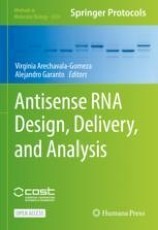
This volume gathers a variety of models, delivery systems, and approaches that can be used to assess RNA technology for exploiting antisense as a therapeutic intervention. Beginning with a section on the design of antisense technology and their delivery, the book continues by covering model systems developed to evaluate efficacy, both in vivo and in vitro, as well as methods to evaluate preclinically the toxicity associated with these new potential drugs, and intellectual property considerations. Written for the highly successful Methods in Molecular Biology series, chapters include introductions to their respective topics, lists of the necessary materials and reagents, step-by-step, readily reproducible laboratory protocols, and tips on troubleshooting and avoiding known pitfalls.
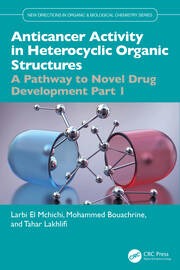
New Directions in Organic & Biological Chemistry, explores the development of cancer therapeutics, focusing on molecular chemistry and advanced drug design approaches. Written by experts in theoretical chemistry and molecular chemistry, they bridge the gap between theoretical chemistry, molecular biology, and drug development. In Part I, they focus on the fundamental properties of heterocyclic compounds and innovative methodologies being employed to enhance therapeutic potential. By exploring various classes of heterocyclic compounds and diverse anticancer mechanisms.

Daraa Highway - Ghabagheb - Syria
+963-15 2050 - 15 860 380 /1/2/3 - 11 662 3900