


Refine Results
Sort By
From
To

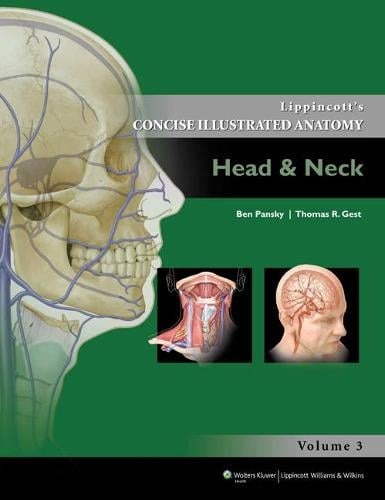
Presents human gross anatomy in an efficient, easy-to-use format by combining core, need-to-know content with detailed atlas-style illustrations. This volume focuses on anatomical structures and functions of the head and neck, and includes clinical considerations concerning these important regions. With artwork adopted from the Lippincott Williams & Wilkins Atlas of Anatomy as well as new illustrations, understanding the functional and clinical relevance of anatomy has never been more at hand!
Provides an introduction to anatomy, including periodontal tissues, the edentulous ridge, the mucosa at teeth and implants, and osseointegration Discusses the epidemiology of periodontal and peri-implant diseases Explores the microbiology, including dental biofilms and calculus, periodontal infections, peri-implant infections, the pathogenesis of gingivitis and periodontitis, and the genetic susceptibility to periodontal disease Includes the latest perio- and peri-implant disease classifications Contains updated evidence-based preventive and treatment modalities for the treatment of periodontal and peri-implant diseases Features the latest evidence-based therapeutic alternatives on the use of dental implants to rehabilitate the lost dentition
Offers a system based approach covering a broad range of topics in general medicine for dental practice. The book includes chapters on history taking and patient interview, general physical examination, system specific examination, common health related complaints, systemic infections, and diseases of the gastrointestinal, cardiovascular, respiratory, neurological, immunological, renal, endocrinal, dermatological and musculoskeletal systems. Nutritional disorders, psychiatric disorders, the female patient with menstrual, menopause and pregnancy related disorders, dental management of patients taking medications for systemic conditions and medical emergencies in dental practice have also been discussed in some detail.
Provides information on the basic science and tissue interactions of dental lasers and documents the principal current clinical uses of lasers in every dental discipline. The applications of lasers in restorative dentistry, endodontics, dental implantology, pediatric dentistry, periodontal therapy, and soft tissue surgery are clearly described and illustrated. Information is also provided on laser-assisted multi-tissue management, covering procedures such as crown lengthening, gingival troughing, gingival recontouring, and depigmentation.
Provides information on the basic science and tissue interactions of dental lasers and documents the principal current clinical uses of lasers in every dental discipline. The applications of lasers in restorative dentistry, endodontics, dental implantology, pediatric dentistry, periodontal therapy, and soft tissue surgery are clearly described and illustrated.
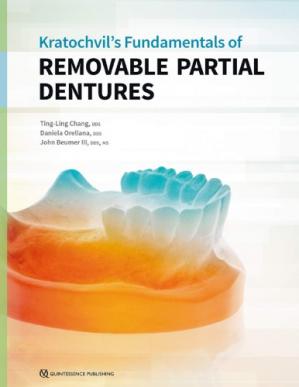
Provides an overview of the RPD design philosophy developed by Prof F. J. Kratochvil. His'RPI system'—a clasp assembly consisting of a rest, a proximal plate, and an I-bar retainer—changed how clinicians approach partial denture design. Topics in this book include RPD components and functions, design sequences for maxillary and mandibular RPDs, and techniques for surveying and determining the most advantageous treatment position. The authors provide illustrations of clinical cases throughout the book as well as an illustrated glossary of prosthodontic terminology. This book will prepare students and general practitioners to design and fabricate a biomechanically sound RPD framework for just about any dental configuration they encounter.
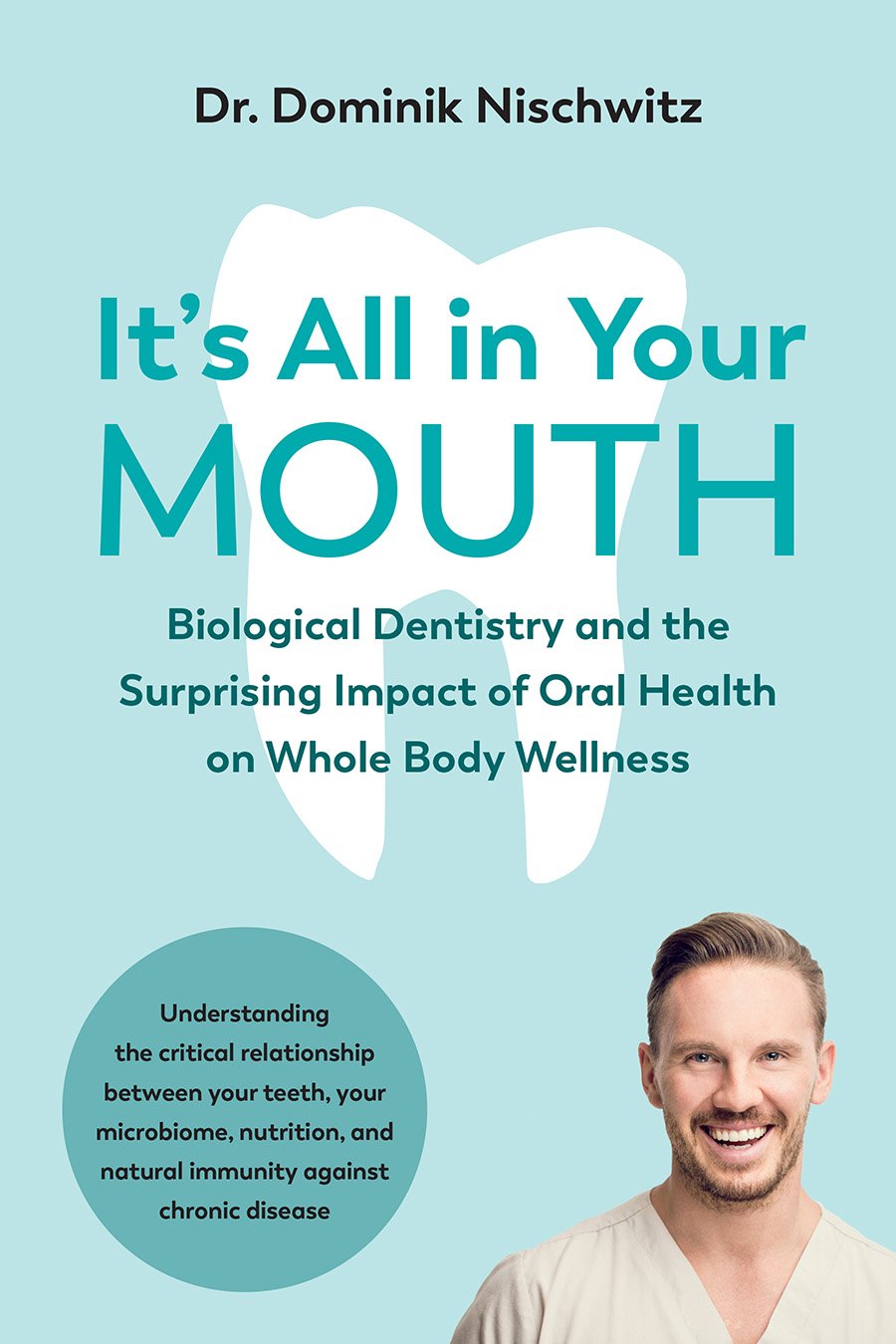
Pesents the principles of biological dentistry along with emerging scientific research on the mouth’s vital role in the body’s microbiome—a key to whole body wellness. Challenging conventional dental wisdom that views the teeth as separate from the rest of the body, and conventional dental practices that often cause more harm than good. Offers a necessary new approach to natural immunity to chronic disease and integrating dental hygiene into whole body health.
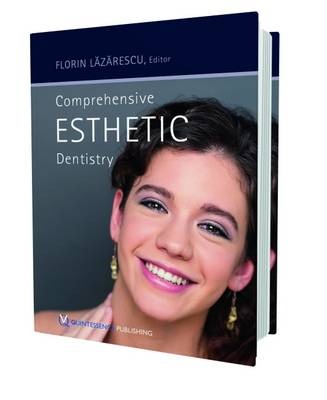
Allows a clinician to shape dental treatment and elevate patient smiles. Based on scientific research, clinical evidence, and the practical experience of the authors, this book is a practical approach to esthetic dentistry.
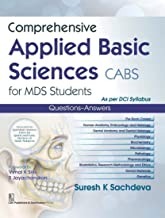
All the questions are answered as per the type of question (long | short) and with “to the point” answers to make it more interesting. Answers are selected authentically from standard textbooks commonly referred to by the students to avoid confusion during examinations. Each answer is explained in heading and subheadings to break the continuous text. Written in a simple, well structured and point-wise format with a comprehensive examination-oriented description along with the diagrammatic representation. An indispensable book for the ‘last minute’ revision while preparing for the examinations and for quick reference throughout the course duration.
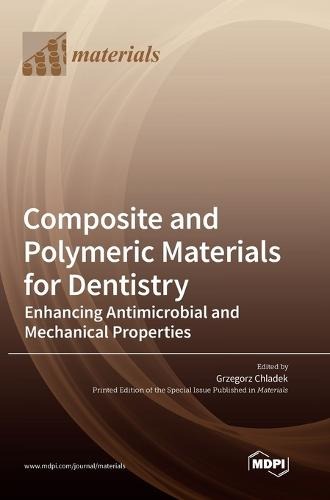
Focuses on enhancing antimicrobial and mechanical properties of polymeric materials and composites for dentistry. In recent years, special attention has been focused on the possibility of giving materials new or improved properties by the introduction of nano or submicron size additives, fibers or whiskers. Another area of research is the application of antibacterial monomers, which can be copolymerized in resins to kill oral pathogenic microflora. In addition, we are currently looking for new data regarding colonization of dental materials by pathogenic microbes and their influence on the other properties. Further, there are many new commercially available materials which should be investigated to verify their properties, which is important from the point of view of clinical practice. Original new research and reviews related to any of the topics mentioned above indicate the current directions of development of dental materials.
Presents up-to-date recommendations for the prevention, diagnosis, and management of complications in endodontic surgical procedures, based on the best available scientific evidence.
Describes the most commonly encountered endodontic complications and provides up-to-date information on their prevention and management. The opening chapters explain the importance of accurate diagnosis and treatment planning, outline the role of digital radiography and CBCT in managing complications, and highlight the need for close attention to anatomic landmarks in order to avoid damage to neurovascular anatomy. Endodontic problems associated with different procedural errors are then discussed in detail, covering a wide variety of access- and instrumentation-related complications and the difficulties that may arise when using obturation techniques. Readers will also find information on the endodontic–periodontal relationship, special issues in geriatric patients, and the potential medical emergencies and precautions in specific patient subsets.
The book has been well received internationally by a wide audience of clinicians, including general dentists, oral surgeons, otolaryngologists, primary care physicians, nurse practitioners, dental hygienists, physician assistants, and dermatologists, and sales have been strong among students and post-graduate residents training in medical, dental, and allied health fields, supporting the versatility of this work and serving as testimony to its value in both the academic and private practice arenas. Several key updates and improvements have been made to the second edition. All informational content has been updated to ensure accuracy and relevance, particularly in the rapidly evolving fields of oncology and pharmacology. A new chapter has been added entitled "Oral Sequelae of Cancer and Cancer Therapy" which better organizes and consolidates previous content while expanding on topics such as targeted therapies and hematopoietic stem cell transplantation. Additional clinical images have been included throughout the book so that the full clinical spectrum of any given condition is well-represented. Furthermore, the print quality, as well as the positioning and layout of the clinical images has been improved for optimal utility. Lastly, the summary boxes that follow each condition have been reconfigured with color-coded icons for improved definition, ease of use and cross-referencing.
Presents the most current and comprehensive review of oral anatomy for clinicians and researchers alike. In 26 chapters, the reader is taken on a unique anatomical journey, starting with the oral fissure, continuing via the maxilla and mandible to the tongue and floor of the mouth, and concluding with the temporomandibular joint and masticatory muscles. Each chapter offers a detailed description of the relevant anatomical structures and their spatial relationships, provides quantitative morphological assessments, and explains the relevance of the region for clinical dentistry. All dental health care professionals require a sound knowledge of anatomy for the purposes of diagnostics, treatment planning, and therapeutic intervention. A full understanding of the relationship between anatomy and clinical practice is the ultimate objective, and this book will enable the reader to achieve such understanding as the basis for provision of the best possible treatment for each individual patient as well as recognition and comprehension of unexpected clinical findings.

Serves as a complete reference guide for the totality of salivary gland (SG) disease. Focusing on the clues available to the practitioner during the patient examination, it will completely review and update the available data concerning all manner of SG conditions. Looking beyond the perspectives of surgery, imaging, pathology, or sialendoscopy in diagnosis and therapy, this book will provide all professionals interested in the head and neck extensive and detailed diagnostic information about each SG entity.
A complete reference for all clinicians who are interested in incorporating into their daily practice the techniques available to reduce the duration of orthodontic treatment and to overcome other treatment limitations. It focuses especially on micro-osteoperforations (MOPs) as the most conservative, efficient, and versatile approach to increase the rate of tooth movement.
Explores the contemporary context of health professions education, its philosophical and theoretical underpinnings, whole of curriculum considerations, and its support of learning in clinical settings. In specific topics, it offers approaches to assessment, evidence-based educational methods, governance, quality improvement, scholarship and leadership in health professions education, and some forecasting of trends and practices.
Deals with complete oral health, including prevention, treatment, and cure. This book provides readers with the latest updates on dental clinical concepts and practical management techniques. It is divided into four sections that contain in-depth chapters with concepts and techniques from the fields of oral medicine, periodontology, radiology, endodontics, restorative dentistry, dental trauma, and probability and sampling. It is a compendium of work by internationally recognized oral clinicians and public healthcare leaders in dentistry. It presents updates on some of the most pertinent issues within the practice of dentistry, such as regenerative endodontic procedures, the unique role of radiographs, recognition of child abuse, and dental statistics.
Presents actual clinical cases, accompanied by academic commentary, that question and educate the reader about essential topics in endodontic therapy. It begins with sets of cases illustrating the most common diagnoses and the steps involved in preparing a treatment plan. Subsequent chapters continue in this style, presenting exemplary cases as the basis of discussing various treatment options, including nonsurgical root canal treatment, re-treatment, periapical surgery, internal and external resorption, emergencies and trauma, and treating incompletely developed apices.
Contains a concise collection of the most important oral and maxillofacial surgery classifications and lists. Such classifications help to describe diseases in a comprehensible, measurable, validated and reproducible manner and are the first step towards a systematic approach for treating specific conditions. Elsewhere in this book, lists provide clinical guidance on key subspecialty topics. Using subdivisions such as trauma, head and neck cancer, and orthognathic surgery, this is a succinct and easy-to-use guide for the head and neck clinician.

Daraa Highway - Ghabagheb - Syria
+963-15 2050 - 15 860 380 /1/2/3 - 11 662 3900