


Refine Results
Sort By
From
To

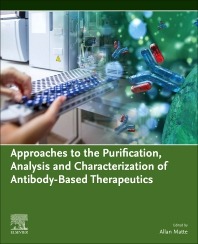
Provides the interested and informed reader with an overview of current approaches, strategies and considerations relating to the purification, analytics and characterization of therapeutic antibodies and related molecules. While there are obviously other books published in and around this subject area, they seem to be either older (c.a. year 2000 publication date) or are more limited in scope. The book will include an extensive bibliography of the published literature in the respective areas covered. It is not, however, intended to be a how-to methods book.
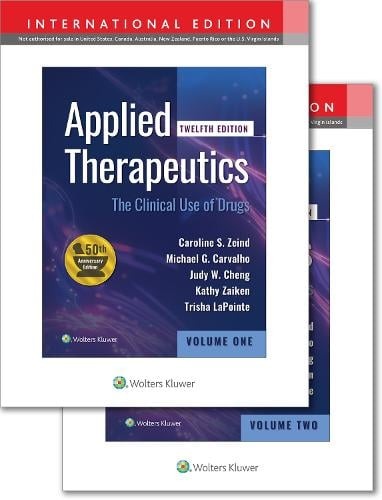
"Continually revised and updated for 50 years, Applied Therapeutics: The Clinical Use of Drugs is the gold standard for patient centered drug therapeutics. With its acclaimed case-based approach, it promotes mastery and application of the fundamentals of drug therapeutics. Featuring contributions from more than 200 experienced clinicians, every chapter reflects our ever-changing knowledge of drugs and the application of this knowledge to the individualized therapy of patients. As students progress from the General Principles section to chapters on specific diseases, they will benefit from practical problem-solving techniques that help devise effective evidence-based drug treatment plans"
Applied Spatial Data Analysis with R is divided into two basic parts, the first presenting R packages, functions, classes and methods for handling spatial data, The second part showcases more specialised kinds of spatial data analysis, including spatial point pattern analysis, interpolation and geostatistics, areal data analysis and disease mapping.
A series of short papers published in Intensive Care Medicine since 2002 under the heading Physiologic Notes attempts to capture the essence of the physiologic perspectives that underpin both our understanding of disease and response to therapy. Tis present volume combines the complete list of these Physiologic Notes up until July 2006 with the ass o ciated review articles over the same in terval that also address edthese central issues.
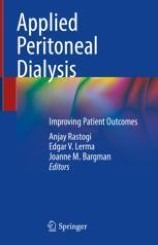
This book offers a comprehensive guide to peritoneal dialysis (PD). Home dialysis, and more specifically PD, is growing in popularity in the US. By conservative estimates, experts suggest that 45 percent of dialysis patients in the US can be on home dialysis. However, the current penetration rate is only 10 percent. This is changing with an expected major increase in the next 5 years. One of the reasons for the low uptake is that many nephrologists lack comfort and confidence in using PD as a dialysis modality.
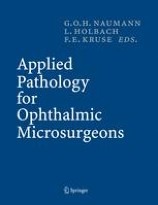
Ophthalmic microsurgery is applied in ophthalmic pathological conditions. Ophthalmic pathology sets the landmarks for all kinds of microsurgical manipulations. This excellent textbook emphasizes the ocular structures such as the nuances of morphology, surgical anatomy, and pathology.
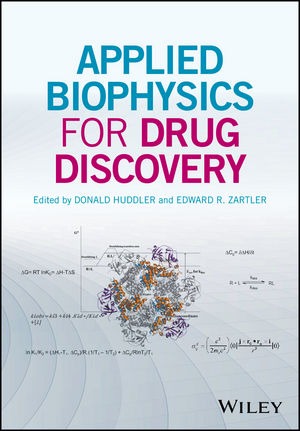
It is a guide to new techniques and approaches to identifying and characterizing small molecules in early drug discovery. Biophysical methods are reasserting their utility in drug discovery and through a combination of the rise of fragment-based drug discovery and an increased focus on more nuanced characterisation of small molecule binding, these methods are playing an increasing role in discovery campaigns.
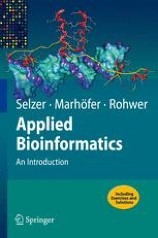
In this book, anyone who can operate a PC, standard software and the Internet will learn to understand the biological basis of bioinformatics of the existence as well as the source and availability of bioinformatics software how to apply these tools and interpret results with confidence.This is aided by introductory chapters to important aspects of bioinformatics, detailed bioinformatics exercises, including solutions and a glossary of definitions and terminology relating to bioinformatics.
Written by leading international experts in the field of plant metabolic engineering, this book discusses, mainly, applications of plant metabolic engineering. Metabolic engineering, which is part of second generation biotechnology, has made several contributions at basic level as well as at conceptualising products ever since its emergence in the early 1980s. Applications resulting from metabolic engineering are expected to play a very important role in future for plant breeding, e.g. for improved resistance or improved traits concerning health promoting constituents, and production of fine chemicals such as medicines, flavors and fragrances.
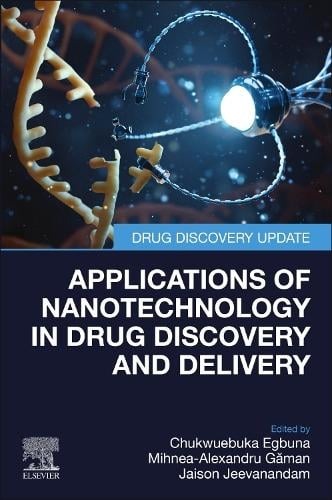
Presents complete coverage of the application of nanotechnology in the discovery of new drugs and efficient target delivery of drugs. The book highlights recent advances of nanotechnology applications in the biomedical sciences, starting with chapters that provide the basics of nanotechnology, nanoparticles and nanocarriers. Part II deals with the application of nanotechnology in drug discovery, with an emphasis on enhanced delivery of pharmaceutical products, with Part III discussing toxicological and safety issues arising from the use of nanomaterials
MS is continuously developing as one of the most re- able analytical method for elucidating the structure of molecules originating from various biological matrices. The potential of MS for high-sensitive structural a- lyses became unsurpassable after the introduction of electrospray (ESI) and matrix assisted laser/desorption ionization (MALDI) methods, on one hand, and the pos- bility to deduce in detail unknown biopolymer structures by highly accurate mo- cular mass measurement followed by sequencing using dissociation techniques based on multiple stage MS, on the other.
This book will help in bridging the wide gap between developed and developing countries, in the development and use of gene-based technologies, and to elucidate the current and future roles of such technologies in the developing world. It is a good reference source for researchers, students and policy-makers alike.
Functional food sources are growing in popularity because they are exceptionally nutritious and provide amazing medical advantages. They can help ensure against infection, prevent supplement deficiency, and advance appropriate health development and improvement. With illustrative case studies, this new volume explores the many roles of functional foods in the prevention and management of various diseases, including diabetes, autism spectrum disorder, weight loss and obesity, microbial infections, ulcers and other gastrointestinal diseases, mental disorders and brain health, cardiac health and cardiovascular diseases, osteoporosis and bone health, and more.
Cell Immobilisation Biotechnology" is divided into the two book volumes, FOBI 8A and FOBI 8B. The FOBI 8A volume, Fundamentals of Cell Immobilisation Biotechnology, is dedicated to fundamental aspects of cell immobilisation while the present volume, FOBI 8B, Applications of Cell Immobilisation Biotechnology, deals with diverse applications of this technology.
The first evidence that electrical changes can cause muscles to contract was p- vided by Galvani (1791). Thus, elect- cal activity graduated from a simple mechanism that is used to elicit muscle c- traction, to a system that could induce permanent changes in muscles and modify most of its characteristic properties.
Discusses the innovative approaches and investigation strategies, as well as provides a broad spectrum of the cutting-edge research on the processing, properties and technological developments of microbial products and their applications. Microbes finds very important applications in our lives including industries and food processing. They are widely used in the fermentation of beverages, processing of dairy products, production of pharmaceuticals, chemicals, enzymes, proteins and biomaterials / conversion of biomass into fuel, fuel cell technology, health and environmental sectors. Some of these products are produced commercially, while others are potentially valuable in biotechnology. Microorganisms are considered invaluable in research as model organisms. This is a useful compilation for students and researchers in microbiology, biotechnology and chemical industries.
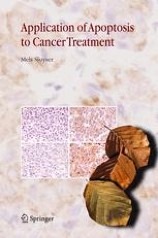
This book is intended for workers in the field and clinicians as a useful guide of the state of affairs in this exciting field which may offer more effective possibilities for treatment of cancer patients.
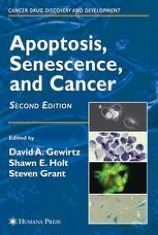
Apoptosis, Senescence and Cancer provides insight into established practices and research into apoptosis and senescence by thoroughly examining novel and emerging techniques and research in the fields of cell death pathways, senescence growth arrest, drugs and resistance, DNA damage response, and other topics which still hold mysteries for researchers.this volume provides basic scientists and clinicians with a deeper and more complete understanding of the cellular responses of malignancies which may determine the effectiveness of treatment.
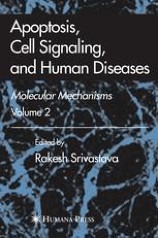
Volume 1 is divided into two sections: "Malignant Transformation and Metastasis" and "Molecular Basis of Disease Therapy." Volume 2 follows a similar structure and is divided into sections entitled "Kinases and Phosphate" and "Molecular Basis of Cell Death." All of the contributors are at the forefront of scientific discovery, and the reviews they present systemically examine the most exciting and innovative aspects of their particular areas of expertise. Researchers will find these volumes of major benefit as they search for novel and more effective treatments for human diseases.
Volume 1 is divided into two sections: “Malignant Transformation and Metastasis” and “Molecular Basis of Disease Therapy.” Volume 2 follows a similar structure and is divided into sections entitled “Kinases and Phosphate” and “Molecular Basis of Cell Death.” All of the contributors are at the forefront of scientific discovery, and the reviews they present systemically examine the most exciting and innovative aspects of their particular areas of expertise. Researchers will find these volumes of major benefit as they search for novel and more effective treatments for human diseases.

Daraa Highway - Ghabagheb - Syria
+963-15 2050 - 15 860 380 /1/2/3 - 11 662 3900