


Refine Results
Sort By
From
To

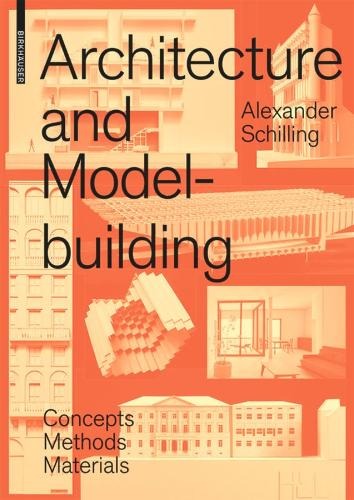
Provides in-depth information Numerous practical tips, clear explanations, concrete examples Aims and Scope Architectural models are used at various stages of a project. As working models they support the design process: they are made up from time to time using simple materials, such as cardboard, without any attempt at accuracy, and continue to be adjusted and added to as the ideas and the design progress. The point here is to swiftly check a design idea, to allow it to be continued or dismissed. Presentational models are more involved; at this stage the design has been completed and the purpose of the model is to convey the ideas to the potential user in a clear and easy-to-understand way.
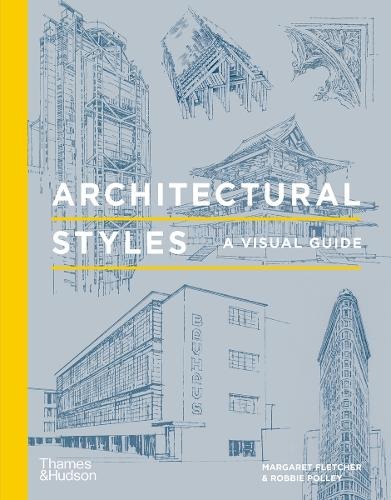
It begins with the earliest styles of the ancient civilizations – Egypt, Greece and Rome – before travelling through Medieval, Renaissance and Baroque and into the modern world via the panoply of 19th century revivalist styles. Also covered is the traditional architecture of China, India, Japan and Pre-Columbian America. A final section gathers together key architectural elements from different periods – columns, towers, doorways, windows.
An essential reference for interior designers learning how to manually draft scaled floor plans, elevations, sections, and three-dimensional drawings. Clearly explaining techniques and methods, it begins with an explanation of drafting tools and their various uses, and then presents instructions and illustrations that indicate how to complete increasingly more difficult drafting conventions. Additionally, readers will learn drawing techniques for indicating various materials, symbols for coordinating related drawings, and architectural lettering. Complemented with extensive drawings, inspiring examples, and tips for developing your own style of graphic expression, Manual Drafting for Interiors arms readers with essential skills they'll use throughout their career as a designer.
Offering fundamental concepts and prescriptive techniques in a highly visual format, this book provides clear, practical guidance on utilizing the latest in lighting techniques and technology to showcase a space without sacrificing utility. Covering more than 25 different design scenarios with in-depth rationale for proposed solutions, this book provides insightful distribution diagrams, floor plans, and details for lighting installation and construction. Real-world case studies illustrate lighting design in residential, commercial, healthcare, education, and hospitality settings, and skill-building exercises offer practice for real-world projects as well as NCIDQ and NCARB exam preparation.

The development of modern architecture in Korea and, more recently, South Korea, is closely tied to the country’s dramatic transformations since the late 19th century.The architectural analyses, ranging from Hwaseong Fortress to 21st-century constructions like Paju Book City, Ssamziegil Shopping Center, the Boutique Monaco skyscraper, and the Bauzium Sculpture Museum, focus on buildings in which the formation of a specifically Korean modernism is particularly observable. The appendix includes biographical descriptions of major architectural figures.
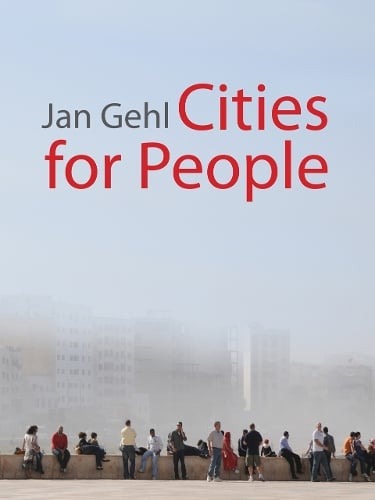
Presents latest work creating (or recreating) cityscapes on a human scale. He clearly explains the methods and tools he uses to reconfigure unworkable cityscapes into the landscapes he believes they should be: cities for people. Taking into account changing demographics and changing lifestyles, Gehl emphasizes four human issues that he sees as essential to successful city planning. He explains how to develop cities that are lively, safe, sustainable, and healthy. Focusing on these issues leads Gehl to think of even the largest city on a very small scale. For Gehl, the urban landscape must be considered through the five human senses and experienced at the speed of walking rather than at the speed of riding in a car or bus or train. This small-scale view, he argues, is too frequently neglected in contemporary projects. In a final chapter, Gehl makes a plea for city planning on a human scale in the fast-growing cities of developing countries.
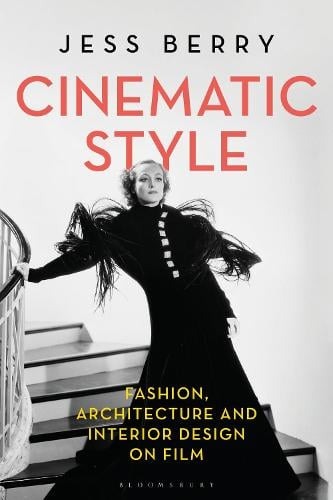
This book is the first to consider the significant interplay between fashion and interiors and their combined contribution to cinematic style from early film to the digital age. With examples from Frank Lloyd Wright inspired architecture in Hitchcock's North by Northwest, to Coco Chanel's costumes for Gloria Swanson and a Great Gatsby film-set turned Ralph Lauren flagship, Cinematic Style describes the reciprocal relationship between these cultural forms. Exposing the bleeding lines between fashion and interiors in cinematic and real-life contexts, Berry presents case studies of cinematic styles adopted as brand identities and design movements promoted through filmic fantasy.
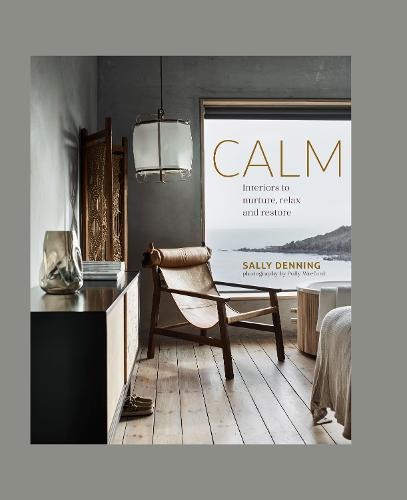
Home should be a place to retreat from the everyday. Creating a home that instills a sense of calm will cocoon and protect us from the outside world, create a sense of wellbeing and make us feel truly nurtured. Calm will help you create a restful, restorative interior that draws you in and makes your shoulders drop the moment you walk through the door. Sally Denning first explores the essential foundations of a tranquil, comforting home: calming and harmonious colors, textiles, patterns, lighting, and decorative elements.
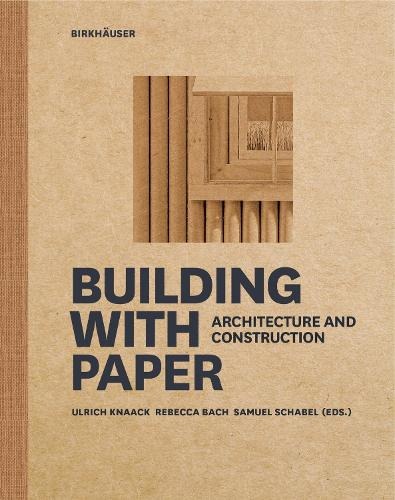
Paper and cardboard as sustainable building materials are currently the subject of research and testing in building practice. Properly protected from moisture and fire, the material proves to be strong and durable. This introduction explains the basics and the technology of building with cardboard and paper and shows a wide range of exciting examples.
takes an entirely new approach to teaching this essential topic for Architects, Designers and Building Engineers. Written to prepare students for the real world and packed with practical examples, the book will foster an understanding of specific issues that are critical to those features of technical systems that most directly affect design. The book stresses the ever-present nature of these systems: they are everywhere, all the time. Taking a design oriented view, it outlines what can and cannot be done, and provides the student with the know-how and confidence to defend and promote their design intent when working with other industry professionals.
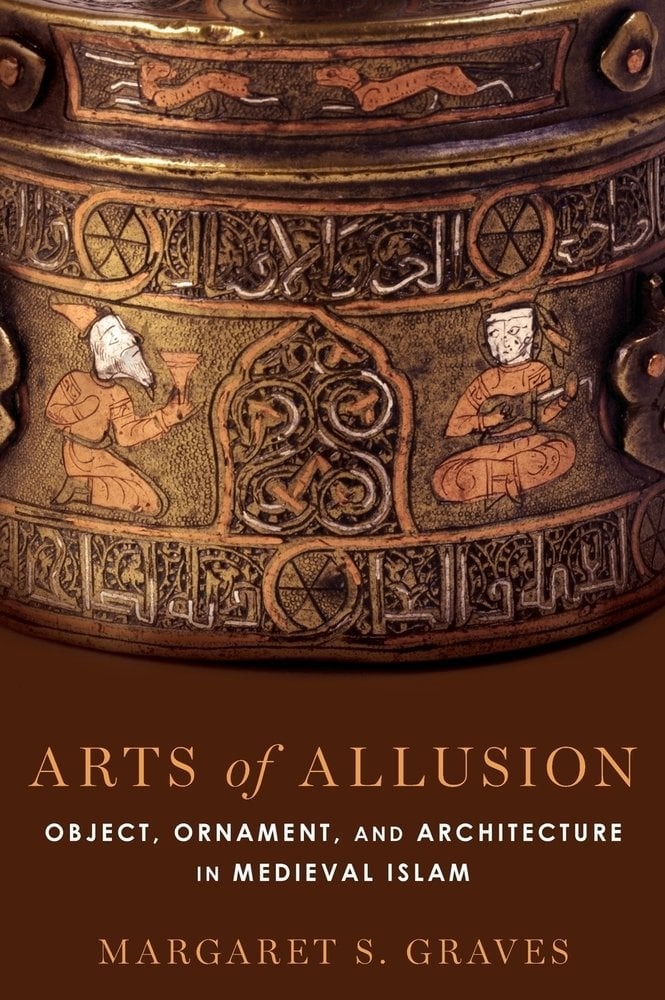
The art of the object reached unparalleled heights in the medieval Islamic world, yet the deep intellectual dimensions of ceramics, metalwares, and other plastic arts in this milieu have not always been acknowledged. Arts of Allusion reveals the object as a crucial site where premodern craftsmen of the eastern Mediterranean and Persianate realms engaged their creations in fertile dialogue with poetry, literature, painting, and, perhaps most strikingly, architecture. Through close studies of objects from the ninth to the thirteenth centuries, this book reveals that allusions to architecture abound across media in the portable arts of the medieval Islamic world.
Brings the history of art to life for a new generation of students. It is global in scope, inclusive in its coverage, and warm and welcoming in tone. The guiding vision of Art History is that the teaching of art history survey courses should be filled with equal delight, enjoyment, and serious learning, while fostering an enthusiastic and educated public for the visual arts.
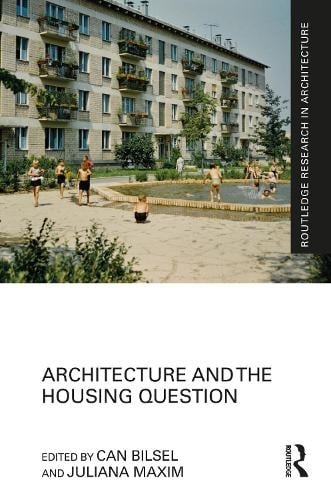
Examines how the design and provision of housing around the world have become central both to competing political projects and to the architecture profession. How have architects acting as housing experts helped alleviate or enforce class, race, and gender inequality? What are the disciplinary implications of taking on shelter for the multitude as an architectural assignment and responsibility? The book features essays in the historiography of architecture and the housing question, and a collection of historical case studies from Belgium, China, France, Ghana, the Netherlands, Kenya, the Soviet Union, Turkey, and the United States.
Essential guide to creating well-lit, visually appealing interior spaces. The book begins with an overview of light and color theory, lighting fundamentals, and design principles. It then covers artificial, natural, decorative, and professional lighting in interior design, as well as standards and regulations, controls and systems, sustainable lighting, energy efficiency, light pollution reduction, and the use of environmentally friendly materials. With a focus on practical applications and real-world examples, this book provides readers with the tools and knowledge necessary to achieve their design goals while considering the latest trends and techniques in the field. A valuable resource for professionals and students in architecture and lighting design, it will also appeal to anyone interested in creating visually stunning and functional interior spaces.
Architectural Colossi and the Human Body discusses the role of Platonic and Cartesian philosophy and how philosophers such as Heidegger and Merleau-Ponty, and theoreticians such as Frascari and Pallasmaa, have seen, described and analysed the human body and the role of architecture and perception. Drawing upon three key case studies and by employing theoretical ideas of Venturi and others, this book will provide an understanding of the role of anthromorphism and the relation and use of the human body with reference to selected architects and artists.
Architectonics and Parametric Thinking begins by clearly positioning the potentials of parametric design through a series of chapters written by leaders in their respective industries. This helps to situate the vast potential of parametric softwares, allowing the reader to understand the full range of what is made possible by working computationally. Following this theoretical introduction, the book presents a manual that walks readers through the step-by-step construction of parametric modeling scripts built through an architectonic lens using clear, compelling diagrams.
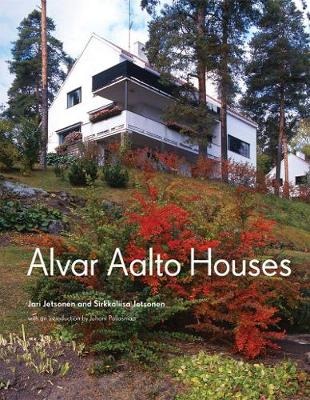
Finnish architect and designer Alvar Aalto (1898-1976) designed nearly one hundred single-family houses. Aalto, who is also known for his furniture and glassware, worked in a unique style that blended modernism and traditional vernacular architecture. Authors Jari and Sirkkaliisa Jetsonen (Finnish Summer Houses) present twenty-six of Aalto's innovative residences—from small summer homes and postwar standardized housing to large housing complexes for industrial commissions—built between the 1920s to the 1960s.
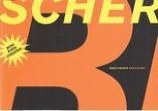
Scher candidly reveals her thoughts on design practice, drawing on her own experiences as one of the leading designers in the United States, and possibly the most famous female graphic designer in the world. Pointed and funny, it is an instructive guide for all those who navigate the difficult path between clients, employees, corporate structures, artists, and design professionals.
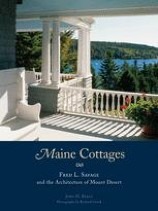
this book serves memories relevant to understanding the roots of communities on Mount Desert Island, Maine. The surnames of many of Mount Desert’s earliest settlers are still found in today’s telephone directories. In these families many oral traditions are passed down from generation to generation
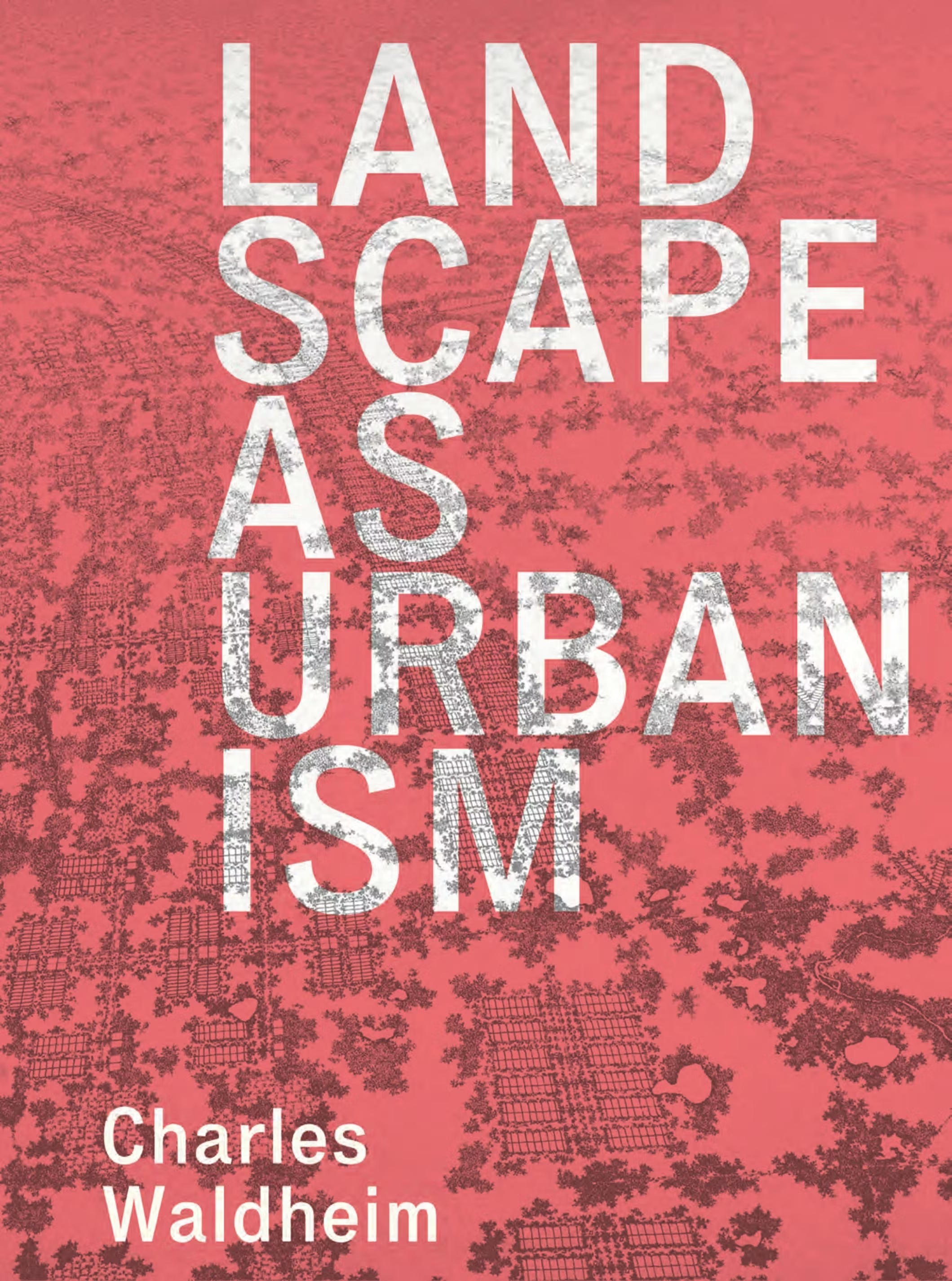
Traces the roots of landscape as a form of urbanism from its origins in the Renaissance through the twentieth century. Growing out of progressive architectural culture and populist environmentalism, the concept was further informed by the nineteenth-century invention of landscape architecture as a "new art" charged with reconciling the design of the industrial city with its ecological and social conditions. In the late twentieth and early twenty-first centuries, as urban planning shifted from design to social science, and as urban design committed to neotraditional models of town planning, landscape urbanism emerged to fill a void at the heart of the contemporary urban project.

Daraa Highway - Ghabagheb - Syria
+963-15 2050 - 15 860 380 /1/2/3 - 11 662 3900