


Refine Results
Sort By
From
To

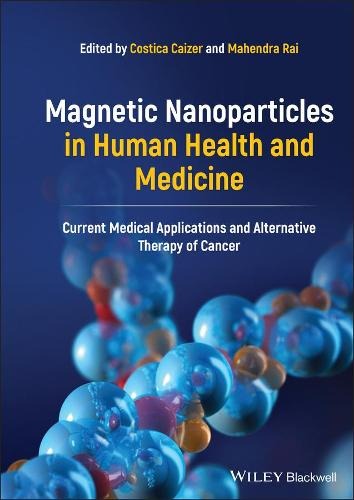
Progress in improving diagnosis by magnetic resonance imaging (MRI) and using non-invasive and non-toxic magnetic nanoparticles for targeted drug delivery. Focusing on cancer diagnosis and therapy, the book covers both fundamental principles and advanced theoretical and experimental research on the magnetic properties, biocompatibilization, biofunctionalization, and application of magnetic nanoparticles in nanobiotechnology and nanomedicine.

This book summarizes the current state-of-the art knowledge about this unique organelle. It addresses the biogenesis of this compartment, the transport of lysosomal proteins, the role of the lysosomal membrane in lysosomal stability and transport, the function of lysosomal proteases and hydrolases, lysosomal storage disorders, and new concepts on how to treat these diseases.
Signal transduction through leukocyte receptors involves a variety of signaling molecules including kinases, phosphatases, adaptor proteins, small GTPases GTP exchange factors, membrane phospholipids as well as others. These signal transducers, regulated by inter- and intra-molecular interactions, as well as by various post-translational modifications, lead to the activation of transcription factors that mediate cellular differentiation and growth, effector cell functions, and apoptotic cell death. Several investigators from various parts of the world convened at the 3rd Lymphocyte Signal Transduction Workshop in Crete, Greece from May 27 to June 1, 2005 to discuss their most recent findings in leukocyte signaling. This volume represents a collection of topics discussed during the conference.
Learning the diagnostic elements of lung pathology requires not only great familiarity with a wide diversity of cases, but also a sharp eye for analyzing pictorial images. In Lung Pathology: A Consultative Atlas, leading experts offer a novel and substantive approach to the teaching of pulmonary pathology. Drawing on 263 challenging, yet exemplary, referral cases taken from files collected over 20 years by internationally renowned lung pathologist, Dr. Eugene Mark, the authors introduce his state-of-the-art approach to the interpretation of pulmonary pathology. This text includes the primary and/or differential diagnosis and the pertinent histological features of each case, as well as clinical history, when available. Key words or phrases in the text are highlighted and digitally hyperlinked to associated images or regions of interest within those images to assist the readers in their correlation. Novel and user friendly, Lung Pathology: A Consultative Atlas describes a cutting-edge diagnostic approach to pulmonary pathology, describing its principles and demonstrating its application in text and full-color illustrations drawn from 263 difficult cases of human lung pathologies.
The media are full of terms like angina, heart failure, coronary artery disease, thrombosis, but what do these mean to you? Gerry Coghlan and Clive Handler are experienced heart doctors who have written this book for people who have or might get coronary heart disease.
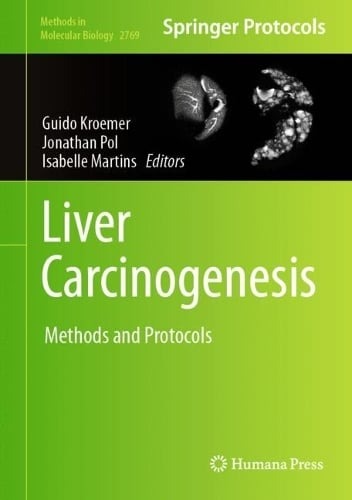
Discusses the latest advancements in modern methodologies used to study liver carcinogenesis. The first half of this book describes pertinent preclinical models of hepatocellular carcinoma (HCC) and cholangiocarcinoma (CCA), established either through orthotopic induction of ectopic implantation. The second half of this book covers a diverse array of techniques applied to characterize the biochemical and cellular composition of hepatic malignancies that operate at the single-cell and histological levels. Written in the highly successful Methods in Molecular Biology series format, chapters include introductions to their respective topics, lists of the necessary materials and reagents, step-by-step, readily reproducible laboratory protocols, and tips on troubleshooting and avoiding known pitfalls.
New therapeutical approaches, advances in oncology and in diagnostic imaging, which reduce the need for invasive techniques and reach an improvement in survival and quality of life in cancer, are considered in this book. Modern literature has been reviewed with special reference to articles of general interest. In the clinical management of patients with liver, bile duct and pancreas diseases, it is important to assess the degree of disturbance and to diagnose the causative insult, and therefore clinical and laboratory methods of assessing each of these pathologies are of high interest. This version is an up-to-date account of diseases of the liver, biliary tract and pancreas, including transplantation, which we trust will be of value for surgeons, physicians and pathologists and also a reference book for medical students.
Liposuction began as a contouring procedure but has evolved into the treatment of obese patients, gynecomastia, ptosis, macromastia, and even patients who have complications from heart disease or diabetes. Other disorders such as axillary sweat hypersecretion, lipomas, and angiomas are also potential disorders that may be treated with liposuction.
Lipids are functionally versatile molecules. They have evolved from relatively simple hydrocarbons that serve as depot storages of metabolites and barriers to the permeation of solutes into complex compounds that perform a variety of signalling functions in higher organisms. This volume is devoted to the polar lipids and their constituents. We have omitted the neutral lipids like fats and oils because their function is generally to act as deposits of metabolizable substrates. The sterols are also outside the scope of the present volume and the reader is referred to volume 28 of this series which is the subject of cholesterol. The polar lipids are comprised of fatty acids attached to either glycerol or sphingosine. The fatty acids themselves constitute an important reservoir of substrates for conversion into families of signalling and modulating molecules including the eicosanoids amongst which are the prostaglandins, thromboxanes and leucotrienes. The way fatty acid metabolism is regulated in the liver and how fatty acids are desaturated are subjects considered in the first part of this volume. This section also deals with the modulation of protein function and inflammation by unsaturated fatty acids and their derivatives. New insights into the role of fatty acid synthesis and eicosenoid function in tumour progression and metastasis are presented.
Acute heart failure is one of the oldest described medical conditions. However, although its clinical symptomatology is fairly obvious and known to everyone: dyspnea, liver pain, crackles on auscultation, the epidemiology has only been explored for very recent years. In all of the cardiology and resuscitation books of the past 40 years, acute heart failure has been considered a catch-all ranging from acute simple lung edema in hypertensive crisis to cardiogenic shock following heart attack. myocardium. It was all called "acute heart failure." This book is based on the recent Recommendations of the European Society of Cardiology and the European Society of Intensive Care Medicine which advocate the designation "Acute heart failure syndrome" in which the decompensation of heart failure chronic, hypertensive surge, cardiogenic shock, right heart failure, and high output heart failure are separate entities.

Examines the concepts of lifestyle medicine and nursing practice, it is specifically designed to help nurses introduce the concepts of lifestyle medicine to readers while also encouraging them to focus on their own wellness. This book features nutritional guidelines and supplemental materials operationalizing this basic nutrition knowledge into personal and patient wellness. It addresses evidence-based findings of chronic diseases including heart diseases and stroke, type 2 diabetes, and cancers, which can often be prevented by lifestyle interventions.
Contains extensive sections on the treatment and prevention of coronary heart disease,stroke, cancer, diabetes, obesity, substance abuse, dementia, and many other clinical conditions. Key lifestyle modalities such as physical activity, nutrition, weight management, sleep, stress reduction, and positive connections with other humans are supported by detailed discussion and state-of-the-art evidence. The expanded section on behavioral medicine provides an important framework for these discussions. Every chapter has been completely revised and many new topics added, such as lifestyle medicine for nursing, psychiatry, and preventive neurology.

Life As we Know It ["LAKI"] covers several aspects of Life, ranging from the prebiotic level, origin of life, evolution of prokaryotes to eukaryotes and finally to various affairs of human beings. Although it is hard to define Life, one can, however, characterize it and describe its features. Topics treated are categories of bacteria, algae and fungi, conscience, philosophy, theology, aesthetics, appearance of sport and life destiny, life after clinical death, and thoughts of the world to come ("Olam Haba"). The various chapters have been written so that they are accessible to all - from the avid lay reader to the specialist – and make available multidisciplinary sources of information about Life. This volume will interest open minded scholars, students at all levels of general sciences, natural and Life science, researchers of philosophy, theology, history of Life, astrobiology, and those who wish to widen their knowledge about "who are we in the universe".
We are at the start of the development of new therapeutic classes, directed against new molecular targets (EGFR, VEGF, IGFR, Rank, etc.) Several diseases such as kidney, colon or breast cancer, GIST, have a natural history now modified thanks to these therapies. This practical book takes stock of the current use of these molecules.
The hemodynamic monitoring of intensive care patients is undergoing major changes. Technological advances such as computerization and miniaturization have made it possible to considerably expand the range of assessment tools available at the bedside. Thus, the approach to cardiovascular monitoring - which was once readily "invasive" and global - is gradually becoming non-invasive and locoregional or even tissue. At the same time, the combined evolution of technology and physiological and pathophysiological concepts now provides the clinician with access to a variety of "functional hemodynamic monitoring". The aim of this book is to provide a better understanding of the interest and the limits of the hemodynamic parameters accessible by current hemodynamic monitoring techniques. It thus aims to ensure that the use of these techniques is perfectly mastered by resuscitators and anesthetists-resuscitators so that patient care is ultimately optimal.

It seems difficult and presumptuous to want to write a book on total knee replacement. There are many quality works dealing with this subject. The knee prosthesis has, from its origin, particularly in the United States, given rise to considerable studies in all directions: biomechanical, physiological, biological and industrial. Our goal is to offer the youngest a book of simple knowledge without pretension of completeness or prejudice as to long debated subjects (conservation or not of the posterior cruciate ligament, cement or without cement, resurfacing or not of the patella, fixed plate or mobile platform, etc.), and to give practical advice based on our experience. Why limit yourself to first-line tricompartmentals? Because it is the most common solution to the usual degenerative knee problems. In addition, unicompartment and revision prostheses will be the subject of further literature. Everyone knows that to put a knee prosthesis model, and therefore to a system. However, it is important to be able to keep your freedom of analysis in order to maintain your freedom of choice. You have to know how to put on a knee prosthesis without compromise or fanaticism. Convictions are more dangerous enemies of truth than lies. Nietzsche
This book on Sphincter functions provides an update on a very topical subject, urinary and anal incontinence. Divided into three parts, it first deals with fundamental aspects, whether anatomical, physiological or clinical. The explorations of the various urinary and anorectal functions are described with electrophysiological, manometric, urodynamic tests as well as imaging. The second part is devoted to the pathology with all the dysfunctions that we encounter in daily practice. Urinary and anal incontinence, dysuria and retention, neurological sphincter disorders, dysfunctions in pregnant women and children are discussed. The last part takes stock of treatments, whether pharmacological, rehabilitative or surgical. This work, which contains a considerable amount of information, will undoubtedly be of interest to many medical specialists (physicians in physical medicine and rehabilitation, neurologists, gastroenterologists, gynecologists, general practitioners, pediatricians), surgeons (urologists, gynecological surgeons, surgeons). digestive) whether they are in training or already involved in the management of perineal disability. Other health professionals will find reference material there (nurses, physiotherapists, midwives).

The gut-brain axis refers to the network of nerve pathways that connect the myenteric plexus, the veritable "gut brain," to the central nervous system. Nearly 80% of these neurons are sensory neurons, and the afferent pathways that transmit information from the digestive tract to the central nervous system play a crucial role in the physiological regulation of digestive functions, as well as in certain pathological conditions. A large majority of these sensations remain unconscious and give rise to reflex responses. Only those requiring a conscious response reach the level of awareness in a normal state (hunger, thirst, the urge to defecate). In pathological situations, the same is true for painful sensations of digestive origin. Functional bowel disorders are a frequent reason for consultation. Their pathophysiology is now based on a model integrating the various etiological factors around the brain-gut axis. These patients frequently present with visceral hypersensitivity, which manifests as an increased perception of digestive sensations, notably the onset of pain in response to stimuli that are not painful in normal subjects. Recognizing the role of visceral hypersensitivity has made it possible to explain the mechanism of action of medications used to treat functional bowel disorders and paves the way for the development of new molecules acting on digestive afferents. In this book, we will describe the anatomical and physiological basis for understanding the concept of visceral sensitivity and the role of digestive afferents in the pathophysiology of acute and chronic abdominal pain, particularly irritable bowel syndrome.

Digestive tumors are among the most common malignant tumors and represent a major public health problem. This is one of the areas that has evolved the most in recent years in oncology due to significant progress in diagnostic strategies and therapeutic management. It seems essential that this progress be implemented in the daily practice of physicians treating these tumors. This book, the result of multidisciplinary work, provides a practical and up-to-date approach to the management of malignant digestive tumors. The first chapters are devoted to general and original subjects such as epidemiology, genetics, the management of elderly subjects. A second part approaches in a pragmatic and practical way the principles of diagnostic and therapeutic management by localization. A third part, devoted to the practical realization of chemotherapy, takes stock of new therapeutic approaches, oral or locoregional chemotherapy. Finally, the last part of the book is dedicated to digestive cancer emergencies and the palliative management of these tumors.
Leptomeningeal Metastases provides the reader with an overview of the state-of-the-art therapy for the leptomeningeal patient with additional information on epidemiology, symptom management, new clinical trials, and current basic research in animal models for experimental therapies. "Leptomeningeal metastases remains a devastating manifestation of hematologic malignancies and solid tumors. Leading figures in the field review the pathophysiology and clinical consequences of this process. State-of-the-art treatment strategies are presented highlighting advances in current management."

Daraa Highway - Ghabagheb - Syria
+963-15 2050 - 15 860 380 /1/2/3 - 11 662 3900