


Refine Results
Sort By
From
To

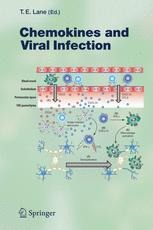
This edition of Current Topics in Microbiology and Immunology examines the role of chemokines and chemokine receptors in host defense and disease development following viral infection. Chemokines represent a family of over 40 small proteins that, for the most part, are secreted into the environment and function by binding to G protein-coupled receptors (GPCRs) that are expressed on numerous different cell types. When initially identified close to 30 years ago, these molecules were associated with various human inflammatory diseases and it was recognized that expression may be integral in leukocyte recruitment to inflamed tissue. There are now four sub-families of chemokines identified based on defined structural criteria relating to the positional location of conserved cysteine residues within the amino-terminus of the protein. Chemokines are now recognized as important in numerous biological processes ranging from maintaining the organizational integrity of secondary lymphoid tissue to participating in various aspects of both innate and adaptive immune responses following microbial infection. With this in mind, this book highlights the functional roles of chemokines and their receptors in participating in various aspects of the immune response against well-known viral pathogens.
Chemokines play an important role in recruiting inflammatory cells into tissues in response to infection and inflammation. They also play an important role in coordinating the movement of T-cells, B-cells and dentritic cells, necessary to generate an immune response (response to injury, allergens, antigens, invading microorganisms). They selectively attract leukocytes to inflammatory foci, inducing both cell migration and activation. They are involved in various diseases, like atherosclerosis, lung and skin inflammation, multiple sclerosis, or HIV. Volume 2 of this two-volume set discusses the pathophysiology of chemokines. It is divided into two parts: a) chemokines in animal disease models, and b) chemokines as drug targets. Together with volume 1, which discusses the immunobiology of chemokines, both volumes give a comprehensive overview of chemokine biology.
The discovery of interleukin-8 close to 20 years ago initiated a new field of research touching on many aspects of immunology and inflammation. Interleukin-8 is just one member of a large class of structurally related chemoattractant proteins, known as chemokines. Chemokines are involved in the traffic control of leukocytes, which bear the corresponding chemokine receptors on their surfaces. Today, it is clear that chemokines affect all aspects of immunology and even many unrelated fields, such as tissue development and tumor cell metastasis. Their fundamental contributions to chronic inflammatory diseases make them a principal target for the development of novel, anti-inflammatory therapeutics.
Chemoinformatics and Bioinformatics in the Pharmaceutical Sciences brings together two very important fields in pharmaceutical sciences that have been mostly seen as diverging from each other: chemoinformatics and bioinformatics. As developing drugs is an expensive and lengthy process, technology can improve the cost, efficiency and speed at which new drugs can be discovered and tested. This book presents some of the growing advancements of technology in the field of drug development and how the computational approaches explained here can reduce the financial and experimental burden of the drug discovery process.
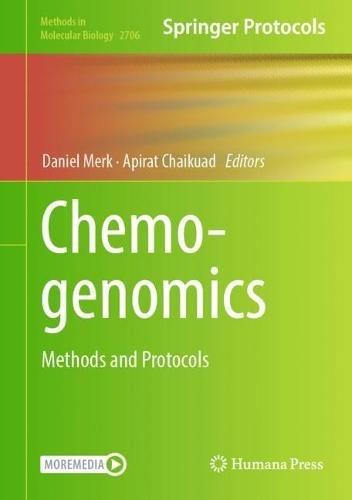
Presents both theoretical guidance and protocols on chemogenomics including chemogenomics library assembly, compound profiling, and phenotypic assays. The chapters in this book cover topics such as the assembly and use of Kinase Chemogenomics; data mining for chemogenomic compound candidates; protocols for protein family-focused assay systems to profile chemogenomic compounds; functional and target engagement assays in cellular settings for broad characterization; and a discussion on phenotypic assays where chemogenomic sets may be applied.
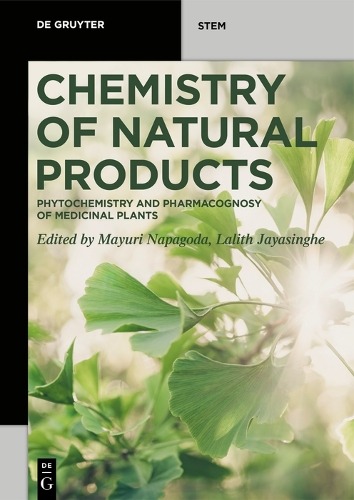
Plants produce secondary metabolites that humans harness for their own benefit. About half of drugs currently in clinical use are based on these chemicals found in nature. Chemistry of Natural Products covers secondary metabolites present in medicinal plants and their biosynthesis, biological activities, and isolation and separation techniques.
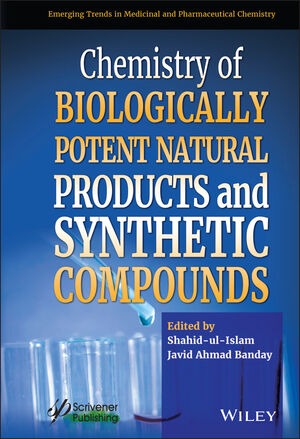
Several novel natural product derivatives, heterocyclic and other synthetic compounds, have been reported to have shown interesting biological activities including anticancer, antimicrobial, anti-inflammatory, anti-glycemic, anti-allergy and antiviral etc. Provides up-to-date information on new developments and most recent medicinal applications of the natural products and derivatives, as well as the chemistry and synthesis of heterocyclic and other related compounds.
Presents the proceedings of "Chemical Signals in Vertebrates 11", hosted by the University of Liverpool and held July 25 - 28, 2006 at the University of Chester in the United Kingdom. Chemical Signals in Vertebrates 11 contains the latest research on chemical communication relevant to vertebrates, particularly focusing on new research since the last meeting in 2003. Topics covered include chemical ecology, biochemistry, behavior and neurobiology of both the main olfactory and vomeronasal systems of vertebrates, from amphibia to mammals including humans. A broad range of taxonomic groups and topics are discussed, including sections on new directions in semiochemistry, olfactory response and function, recognition within species, sexual communication, maternal-offspring communication, communication between species, and applications for zoo animal enrichment and pest control. The volume is dedicated to the memory of Dr. Bets Rasmussen and includes a special tribute chapter on her ground-breaking research on elephant communication.
This book also represents the tenth in a series of books on chemical communication, chemical ecology, olfactory and vomeronasal research in vertebrate species. The species covered in the chapters herein range from fish to mammals including humans. By taxonomic breakdown the mammals are the most represented in number of species and chapter contributions. However, the hosts of the meeting endeavored to have some representative contributions covering all of the major vertebrate taxa.
Nanomaterials, which possess at least one dimension lower than 100 nanometers, are increasingly at the forefront of technological and chemical innovation. The properties of these uniquely minute materials give them distinctive applications across a huge range of industries and research fields. It is therefore critical that the next generation of engineers and materials scientists understand these materials, their chemical properties, and how they form bonds
Making a practitioner's peeling experience easier and more practical. It contains sample patient forms, over 250 illustrations, and a wealth of tips for patient guidance and safe clinical practice.

This book provides an overview of chemical ecology related to different ecosystems. It offers an outlook at novel directions that can be taken in chemical ecology through a molecular-ecological or eco-genomic approach. The book addresses aboveground and belowground terrestrial systems as well as aquatic systems, and the organisms involved are micro- and macro-organisms, such as plants, arthropods and mammals.
Gives the reader, through the specific selection of chemical-biological techniques and concepts, the necessary tools to be able to develop new ways of thinking and thus new therapeutic options in the complex field of chemical biology and drug development. The stated aim of this book is to provide concrete solutions and inspiration to students, (post)graduate students, and experienced scientists at universities as well as in industry in their problems.

Described the contents of food raw materials and products, the chemistry/biochemistry of food components, as well as the changes occurring during post-harvest storage and processing affecting the quality of foods. Discusses the role of chemical compounds in the structure of raw materials and the formation of different attributes of food quality, including nutritional value, safety, and sensory properties. It contains four new chapters: “Non-Protein Nitrogenous Compounds”; “Prooxidants and Antioxidants in Food”; “Non-Nutritive Bioactive Compounds in Food of Plant Origin”; and “Analytical Methods Used for Assessing the Quality of Food Products.”
A comprehensive and authoritative exploration of Tempol (4-Hydroxy-TEMPO), an exceptional chemical compound with diverse applications in both scientific research and medical practice. This book delves into Tempol's unique properties, mechanisms of action, and its potential role in combating oxidative stress-related disorders. Includes a chapter devoted to the safe handling, storage, and disposal of Tempol in compliance with pharmaceutical regulations. The authors pay particular attention to pharmaceutical regulations in the industry.
This book’s distinguished panel of authors takes a close look at topics ranging from the major molecular players affecting DNA synthesis and the response to DNA damage to advances made in the identification of chemical compounds capable of inhibiting individual mitotic kinases. Illuminating and authoritative, Checkpoint Responses in Cancer Therapy offers a critical summary of findings for researchers in the pharmaceutical and biotechnology industries and a valuable resource for academic scientists in cancer research and the study of cell-cycle regulation, signal transduction and apoptosis.

Chassin’s Operative Strategies in Esophageal Surgery offers the reader a succinct review of surgical techniques for disorders of the esophagus. Spanning from well-established legacy procedures to the most up-to-date minimally invasive approaches for GERD, this brilliantly illustrated atlas exclusively presents the theoretical basis of the operations as well as the strategies required to steer clear of common pitfalls. Educed from Chassin’s Operative Strategies in General Surgery.
This book is the first academic book on the controversial issue of including spiritual care in integrated electronic medical records (EMR). Based on an international study group comprising researchers from Europe (The Netherlands, Belgium and Switzerland), the United States, Canada, and Australia, this edited collection provides an overview of different charting practices and experiences in various countries and healthcare contexts.
Molecular chaperones interact with virtually every newly synthesized protein. Their role is not limited to this, as an increasing number of protein-protein interactions are found to be mediated by molecular chaperones. They reside in large complexes, in every cellular compartment, and to some extent even outside cells. These proteins are of interest to a large number of scientists, not only to those interested in protein biosynthesis, but also in relation to protein transport, organelle biogenesis, and cell stress.
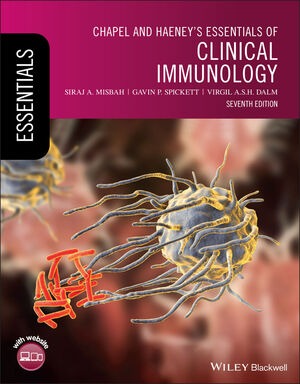
Contains the knowledge necessary to understand the diagnosis and treatment of immunological disorders. With easy-to-read text and a wealth of colour clinical images and diagrams, this well-regarded textbook introduces complex concepts using effective pedagogical tools such as bulleted lists, key point boxes, real-life case studies, practical examples, figures and tables, chapter introductions, and keywords in bold integrated in each chapter.

Daraa Highway - Ghabagheb - Syria
+963-15 2050 - 15 860 380 /1/2/3 - 11 662 3900