


Refine Results
Sort By
From
To


It seems difficult and presumptuous to want to write a book on total knee replacement. There are many quality works dealing with this subject. The knee prosthesis has, from its origin, particularly in the United States, given rise to considerable studies in all directions: biomechanical, physiological, biological and industrial. Our goal is to offer the youngest a book of simple knowledge without pretension of completeness or prejudice as to long debated subjects (conservation or not of the posterior cruciate ligament, cement or without cement, resurfacing or not of the patella, fixed plate or mobile platform, etc.), and to give practical advice based on our experience. Why limit yourself to first-line tricompartmentals? Because it is the most common solution to the usual degenerative knee problems. In addition, unicompartment and revision prostheses will be the subject of further literature. Everyone knows that to put a knee prosthesis model, and therefore to a system. However, it is important to be able to keep your freedom of analysis in order to maintain your freedom of choice. You have to know how to put on a knee prosthesis without compromise or fanaticism. Convictions are more dangerous enemies of truth than lies. Nietzsche
Community-acquired pneumonia (CAP) is a disease associated with high morbidity and mortality, with at least one third of cases requiring hospitalization, exceeding the numbers admitted for myocardial infarction and stroke. Despite a broad armamentarium of antimicrobials available, it remains an important cause of death in industrialized countries. CAP is caused by a variety of pathogens with their order of importance dependent on the location and population studied. Despite the importance of CAP, reliable data and a recommended evidence-based therapy are lacking, and basic research must be improved. The goal of this volume is to present state-of-the-art knowledge on epidemiology, clinical presentation, immunology, pathology, and diagnosis including the identification of "new pathogens". Therapeutic approaches, antibiotics resistance, disease management and vaccination strategies are also covered. The volume is of interest to researchers and clinicians in virology, epidemiology and biomedicine.

Helps readers discover the forefront of personalized medicine on clinical metabolomics and its applications in genetic diseases. This comprehensive guide offers a functional relationship map between cell components and genetic variations in various diseases, providing insights that can be applied to personalized medicine. Covers the latest developments in metabolomics for health, with practical guidance for clinical experts looking to advance their laboratory techniques and career. The metabolomics profile is a powerful tool that has revolutionized our understanding of the relationship between genetics, clinical readouts, and disease outcomes. By integrating metabolomics with genomics and clinical phenotypes, the authors have developed diagnostic and prediction models that have vastly improved patient outcomes and deepened the understanding of disease mechanisms.
Chitin and Chitosan: Properties and Applications presents a comprehensive review of the isolation, properties and applications of chitin and chitosan. These promising biomaterials have the potential to be broadly applied and there is a growing market for these biopolymers in areas such as medical and pharmaceutical, packaging, agricultural, textile, cosmetics, nanoparticles and more.
Chemometrics and Cheminformatics in Aquatic Toxicology delivers an exploration of the existing and emerging problems of contamination of the aquatic environment through various metal and organic pollutants, including industrial chemicals, pharmaceuticals, cosmetics, biocides, nanomaterials, pesticides, surfactants, dyes, and more. The book discusses different chemometric and cheminformatic tools for non-experts and their application to the analysis and modeling of toxicity data of chemicals to various aquatic organisms.
A comprehensive and authoritative exploration of Tempol (4-Hydroxy-TEMPO), an exceptional chemical compound with diverse applications in both scientific research and medical practice. This book delves into Tempol's unique properties, mechanisms of action, and its potential role in combating oxidative stress-related disorders. Includes a chapter devoted to the safe handling, storage, and disposal of Tempol in compliance with pharmaceutical regulations. The authors pay particular attention to pharmaceutical regulations in the industry.
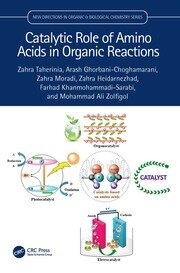
Asymmetric organometallic and organocatalytic processes have attracted great interest. Asymmetric synthesis using both natural and unnatural amino acids has been tremendously important from synthetic as well as industrial viewpoints, and numerous new methodologies have been developed in the last decades. Herein we provide an overview of old and very recent (since 1900 till now) advances and applications in the area of heterogeneous catalysis, homogeneous catalysis, electrocatalysis, photocatalysis, organocatalysis, thermal catalysis using amino acids [proline, glycine, alanine, valine, serine, threonine, cysteine, methionine, asparagine, glutamine, lysine, arginine, histidine, aspartate, glutamate, phenylalanine, and tryptophan], (supported or unsupported), an amino acid containing materials or amino acids derivatives as an essential component of catalysts, this book highlights the most important and recent developments to immobilize or support amino acids on various support materials. This book is suitable as supplementary reading for courses targeting the design, synthesis, and application of chiral catalysts, asymmetric catalysis, and sustainable production.
In Cancer Drug Resistance, leading scientists from the best academic institutions and industrial laboratories summarize and synthesize the latest discoveries concerning the changes that occur in tumor cells as they develop resistance to a wide variety of anticancer therapeutics, as well as suggest new approaches to the biology of drug resistance that may afford new therapeutic opportunities.

Written for industrial and academic researchers and development scientists in the life sciences industry, Bioprocessing Technology for Production of Biopharmaceuticals and Bioproducts is a guide to the tools, approaches, and useful developments in bioprocessing. This important guide: •Summarizes state-of-the-art bioprocessing methods and reviews applications in life science industries •Includes illustrative case studies that review six milestone bio-products •Discuses a wide selection of host strain types and disruptive bioprocess technologies
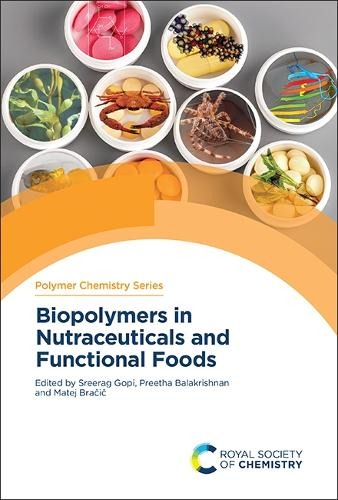
Comprehensive book covers new applications of biopolymers in the research and development of industrial scale nutraceutical and functional food grade products.
Beginning with an expansive introduction to the basics of biopharmaceutics and the context that underpins the field, the included resources go on to discuss how biopharmaceutics are integrated into product development within the pharmaceutical industry. Explorations of how the regulatory aspects of biopharmaceutics function, as well as the impact of physiology and anatomy on the rate and extent of drug absorption, follow.
Biomining is the biotechnology that uses microorganisms to recover metals, in particular copper and gold, from ores and concentrates. Having developed from a very simple operational (in terms of both engineering and biology) process, biomining has developed into a multifaceted technology, to the extent that many of the largest industrial stirred tanks and heaps throughout the world are employed for bioprocessing minerals. This book has a strong applied approach and describes emerging and established industrial processes, as well as the underlying theory of the process, and the biology of the microorganisms involved. Chapters have been written by personnel from leading biomining companies, consultants and internationally recognized researchers and academics
Covers the recent trends on the biological applications of nanomaterials, methods for their preparation, and techniques for their characterization. Further, the book examines the fundamentals of nanotoxicity, methods to assess the toxicity of engineered nanomaterials, approaches to reduce toxicity during synthesis. It also provides an overview of the state of the art in the application of Artificial intelligence-based methodologies for evaluation of toxicity of drugs and nanoparticles. The book further discusses nanocarrier design, routes of various nanoparticle administration, nano based drug delivery systems, and the toxicity challenges associated with each drug delivery method. It presents the latest advances in the interaction of nanoparticles with the cellular environment and assess nanotoxicity of these engineered nanoparticles. The book also explores the comparative and mechanistic genotoxicity assessment of the nanomaterials. This book is useful source of information for industrial practitioners, policy makers, and other professionals in the fields of toxicology, medicine, pharmacology, food, and drugs.
Many plants, animals, and microbes use adhesive polymers and structures to attach to inert substrates, to each other, or to other organisms. This is the first major review that brings together research on many of the well-known biological adhesives. Emphasizing the diversity of biological adhesives and associated adhesion processes, it deals with bacteria, fungi, algae, and marine and terrestrial animals. It bridges a variety of disciplines including biochemistry, molecular biology, biomechanics, bioengineering, microbiology, organism structure and function, and ultrastructure. As we learn more about the molecular and mechanical properties of these adhesives, we begin to understand why they adhere so well and how they develop cohesive strength. With this understanding comes the prospect of developing synthetic or semi-synthetic adhesives with broad applications in areas such as medicine, dentistry, and biotechnology. The book is suitable for both industrial and academic researchers.
Discusses the innovative approaches and investigation strategies, as well as provides a broad spectrum of the cutting-edge research on the processing, properties and technological developments of microbial products and their applications. Microbes finds very important applications in our lives including industries and food processing. They are widely used in the fermentation of beverages, processing of dairy products, production of pharmaceuticals, chemicals, enzymes, proteins and biomaterials / conversion of biomass into fuel, fuel cell technology, health and environmental sectors. Some of these products are produced commercially, while others are potentially valuable in biotechnology. Microorganisms are considered invaluable in research as model organisms. This is a useful compilation for students and researchers in microbiology, biotechnology and chemical industries.

Alginates in Drug Delivery explores the vital precepts, basic and fundamental aspects of alginates in pharmaceutical sciences, biopharmacology, and in the biotechnology industry. The use of natural polymers in healthcare applications over synthetic polymers is becoming more prevalent due to natural polymers’ biocompatibility, biodegradability, economic extraction and ready availability. To fully utilize and harness the potential of alginates, this book presents a thorough understanding of the synthesis, purification, and characterization of alginates and their derivative. This book collects, in a single volume, all relevant information on alginates in health care, including recent advances in the field.
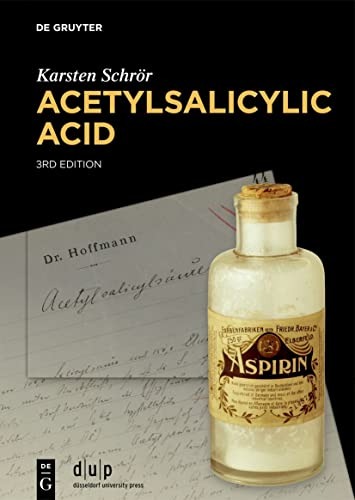
Contains the latest results of clinical and pharmacological research on Acetylsalicylic acid, addressing the multiple pharmacological properties of this famous drug with a balanced view on their translation into clinical practice, including prevention and treatment of cardiovascular diseases, thromboinflammation and colorectal cancer. Understandable for clinicians, pharmacists, biomedical researchers and pharmacologists alike.
Discover the latest, fast-developing technology to help move towards more cost-effective, small-batch, decentralized manufacturing of personalized systems . 3D printing has revolutionized manufacturing. Its precision and flexibility have enabled the large-scale production of materials and devices too complex for conventional industrial manufacturing. This has been particularly revolutionary in the field of pharmaceutical production, where 3D printing is being integrated into the manufacture of both drugs and drug delivery devices. It has never been more important for industry professionals to understand this form of production.

Brings together the latest techniques for managing cyber threats, developed by some of the world’s leading experts in the area. The book includes broad surveys on a number of topics, as well as specific techniques. It provides an excellent reference point for researchers and practitioners in the government, academic, and industrial communities who want to understand the issues and challenges in this area of growing worldwide importance.
Presents recent advancements in research, a review of new methods and techniques, and applications in decision support systems (DSS) with Machine Learning and Probabilistic Graphical Models, which are very effective techniques in gaining knowledge from Big Data and in interpreting decisions. It explores Bayesian network learning, Control Chart, Reinforcement Learning for multicriteria DSS, Anomaly Detection in Smart Manufacturing with Federated Learning, DSS in healthcare, DSS for supply chain management, etc. Researchers and practitioners alike will benefit from this book to enhance the understanding of machine learning, Probabilistic Graphical Models, and their uses in DSS in the context of decision making with uncertainty. The real-world case studies in various fields with guidance and recommendations for the practical applications of these studies are introduced in each chapter.

Daraa Highway - Ghabagheb - Syria
+963-15 2050 - 15 860 380 /1/2/3 - 11 662 3900