


تحسين النتائح
ترتيب حسب
من
الى


Cardiovascular medicine has experienced an unforeseen and impressive development over the last fifty years, particularly recently, as new diagnostic innovative medications have been developed, as well as interventional and surgical procedures to treat patients with cardiac disease. Thus, the number of cardiovascular diagnoses, the number of diagnostic modalities, as well as the number of treatment options has expanded enormously and made cardiovascular medicine one of the biggest specialties in medicine. This cardiovascular manual focuses on diagnostic algorithms and therapeutic recommendations according to European Guidelines. It encompasses all aspects of cardiovascular medicine from hypertension to transplantation; from imaging to intervention; and from pharmacotherapy to surgical procedures.
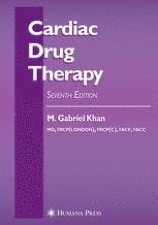
Cardiac Drug Therapy, 7th ed., addresses the pharmacology and therapeutic application of drugs used to treat heart diseases and hypertension. Additions and updates to the sixth edition include six new chapters on current controversies in cardiac drug therapy such as the beta blocker issue many cardiologists are presently grappling with. The book provides practical advice on how to manage cardiac diseases and addresses the choice of one particular cardiac agent vs. another. In addition to providing core knowledge in cardiovascular therapeutics, the text assists in resolving some of the issues surrounding cardiac drugs. Cardiac Drug Therapy provides practical information including properties, dosage, side effects, potential salutary benefits, and drawbacks on virtually all commercially available cardiac drugs.

Despite the increasing awareness that neural mechanisms are the primary cause of cardiac disease and its progression, therapy continues to focus on end-organ protection and does not approach the neural core of the problem. Growing public health problems such as heart failure are still treated with autonomic drugs that are 30-40 years old and simply act on cardiac receptors. However, it has now been shown that the progression of ischemic heart disease to heart failure is mainly due to abnormal central responses to incipient cardiac disease, with neural activation the primary cause rather than the consequence of cardiac remodeling.

While the problems of long-term stability and biocompatibility are being addressed, several promising prototypes are starting to emerge for managing patients with acute diabetes, for treatment of epilepsy and other debilitating neurological disorders and for monitoring of patients with chronic cardiac diseases. Despite the technological developments in sensing and monitoring devices, issues related to system integration, sensor miniaturization, low-power sensor interface circuitry design, wireless telemetric links and signal processing still have to be investigated.

سوريا - اتستراد درعا - غباغب
+963-15 2050 - 15 860 380 /1/2/3 - 11 662 3900