


تحسين النتائح
ترتيب حسب
من
الى

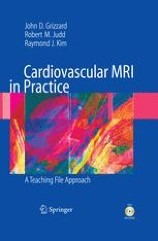
This text resource outlines the systematic approach to CMR interpretation. The depiction of a "core exam" and the modifications used for a variety of patient circumstances are demonstrated using simple visual assessment of the images. Special emphasis on the advantages of CMR relative to other modalities reinforces practical learning objectives, organized so that the reader starts with patient images – as one would in a clinical scenario – and works back to the didactic material.
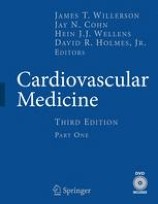
Cardiovascular Medicine, 3rd edition" offers the most up-to-date, user-friendly guidance on the evaluation, diagnosis and medical and surgical treatment of heart and vascular disease and will be relevant to the practice of every cardiologist, cardiac surgeon, vascular surgeon, diabetologist, cardiac radiologist and any physician who manages cardiac patients. Drs Willerson, Cohn, Wellens and Holmes – and over 150 world authorities – offer their decades of scientific and clinical experience. The book and DVD are designed to provide comprehensive coverage of every aspect of cardiovascular medicine from cardiac signs and symptoms .
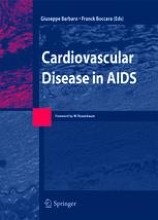
In this new edition of Cardiovascular Disease in AIDS new insights coming from basic and clinical research in the field of HIV-associated cardiovascular disease and antiretroviral therapy are reported, along with the clinical guidelines for a careful stratification of the cardiovascular risk and cardiovascular monitoring of HIV-infected patients receiving HAART. The authors offer a wide overview of the topic for specialists in cardiology and infectious diseases involved in the clinical management of HIV-infected patients.
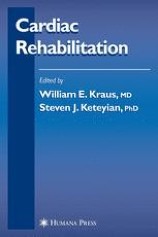
Cardiac rehabilitation can be extremely complex art. In Cardiac Rehabilitation, expert authors provide state-of-the-art information that serves as a manual to the multidisciplinary nature of cardiac rehabilitation in the current era, the current state of cardiac rehabilitation, and the issues facing current CR programs. Covering the major components of a CR program, including medical therapy, exercise, nutrition, and behavioral therapy, from referral to testing to individualizing the program for the participants, the volume is a thorough, vital guide to this important field.
The second edition of Cardiac Pacing for the Clinician will provide a succinct, yet comprehensive reference for the implantation and follow-up of implantable cardiac rhythm devices. It is intended to be a practical guide for the day-to-day management of these increasingly complex devices.
For about hundred years the investigation of heart physiology has had one central guiding principle, the "law" of Frank and Starling. This connects the return of blood into the heart and the blood pressure with cardiac con traction force. The "law" does it in a way that enables the cardiovascular system to react to perturbations without major malfunctions. This book is a compilation of reviews of prominent scientists on this subject. The differ ence of the original formulation of the Frank-Starling principle is that mechanotransduction is the central theme that leads the reader through the book. Since the discovery of the "law" the scope of topics related to this subject has broadened enormously, as can be seen easily by glancing at the contents of this book. Mechanotransduction in the heart has many faces that range from molecules to humans and their diseases.
Discussions on topics such as gene suppression, editing, and reprogramming; cardiac gene therapy vectors and promoters; cardiac gene delivery methods; pulmonary hypertension; and patient screening and measuring the efficacy of cardiac gene therapy. Written in the highly successful Methods in Molecular Biology series format, chapters include introductions to their respective topics, lists of the necessary materials and reagents, step-by-step, readily reproducible laboratory protocols, and tips on troubleshooting and avoiding known pitfalls.
Cardiac Drug Therapy, 7th ed., addresses the pharmacology and therapeutic application of drugs used to treat heart diseases and hypertension. Additions and updates to the sixth edition include six new chapters on current controversies in cardiac drug therapy such as the beta blocker issue many cardiologists are presently grappling with. The book provides practical advice on how to manage cardiac diseases and addresses the choice of one particular cardiac agent vs. another. In addition to providing core knowledge in cardiovascular therapeutics, the text assists in resolving some of the issues surrounding cardiac drugs. Cardiac Drug Therapy provides practical information including properties, dosage, side effects, potential salutary benefits, and drawbacks on virtually all commercially available cardiac drugs.
This book collates all relevant imaging findings of the use of cardiac CT and presents them in a clinically relevant and practical manner appropriate for residents and fellows in both cardiology and radiology. The images have been supplied by an internationally renowned set of contributing authors and represent the full spectrum of cardiac CT imaging.
The volume offers a synthetic and updated picture of a complex topic that includes the multifactorial etiopathogenesis of cervical cancer, the characteristics of the virus, the dynamics of HPV infections, the histological lesions of the cervix leading to cervical cancer. and the characteristics of the various surgical treatments, the current strategies for early diagnosis through the use of molecular assays currently on the market, up to the trials of the two vaccines recently registered also in Italy.
Provides new and updated tools for studying protein-carbohydrate interactions ranging from traditional biochemical methods to state-of-the-art techniques. This book focuses on four different research themes detailing methods for screening and quantifying CAZyme activity, investigating the interactions between proteins, carbohydrate ligands, methods for the visualization of carbohydrates, protein-carbohydrate complexes, structural and “omic” approaches for studying systems of CAZymes.
Explores new frontiers in carbohydrate-based therapeutic applications, utilizing a unique approach by providing a detailed background of diseases coupled with subsequent carbohydrate-based therapies. The link between chemistry and design of novel carbohydrate-based medicines is highlighted and a broad overview of all the potential applications of carbohydrates is given. Emphasis is laid on concepts used for carbohydrate drug design, structure– activity relationship, and impact on health and diseases. The text also discusses newer topics like nanoparticles, material science, and tissue generation.
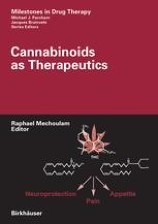
this volume concentrates on the diseases, the physiological effects and therapeutic use of cannabinoids. The volume editor Prof. Mechoulam was the first who isolated the prime active constituent (THC, Tetrahydrocannabiol) of marijuana. He published extensively on the pharmacological activities of cannabinoids. The volume is of interest to researchers and clinicians from pharmacology, neuroscience, and medicinal research
Cannabinoids and the Brain gives a comprehensive overview of all the essential literature concerning the endocannabinoid and related systems in the nervous tissue. It is a rapidly expanding research field and the widespread presence of cannabinoids in most physiopathological mechanisms appear to hinder the effort to fully cover the subject. By the end of the book, the reader will have a solid knowledge of the genetics, molecular biology, anatomy, pharmacology, and physiology of the endocannabinoid system and its involvement in neurological and psychiatric disorders, and will eventually discover a natural relationship among marijuana, aspirin, and chili pepper.
Offers a comprehensive overview on cannabinoids and their effects on sleep Provides novel research findings on the therapeutic potential of cannabinoids Discusses the effect of cannabinoids in several neurological disorders
The present book is an outstanding summary of many aspects of cannabinoid research. It represents a stepping-stone to many unsolved problems in biochemistry, pharmacology, physiology and the clinic. Perhaps it will help generate novel ideas, such as how to approach the scientific study of emotions.
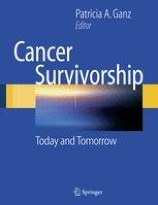
A diagnosis of cancer provokes myriad responses in patients, chief among them the question: "how long do I have to live?" Increasingly, the answer to that question is not one of months or years, but decades. While there are now nearly 10 million people in the United States who have recovered or are currently recovering from cancer (increased from three million in 1971), the unique challenges encountered by survivors are often met with uncertainity by even the most seasoned physicians, nurses, and clinical social workers because of a lack of formal guidelines for post-treatment care and follow-up.
This book describes the recent developments in the emerging field of cancer stem cells. Their possible impact for the identification of novel treatment paradigms for cancer are discussed. The book will mainly be of interest to scientists and clinicians involved in cancer research, or to students wishing to enter into this area.
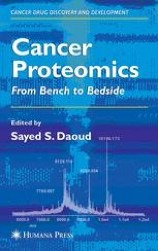
the authors collectively provide the current status of proteomics in cancer therapy and offers the existing technologies used in proteomics that allow for protein profiling and for the identification of druggable targets in human samples. Mass spectrometry based protein characterization and protein microarrays hold great promise of predicting response to specific drugs in cancer therapy. Insightful to the reader with broad perspectives on topics related to the use of proteomic strategies in cancer therapy, Cancer Proteomics offers anticipated challenges that may arise from its application in daily practice.
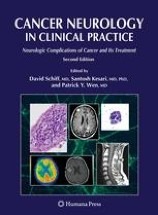
This book gives a comprehensive analysis of how cancer affects the nervous system, It encompasses the experience of senior physicians actively engaged in neuro-oncology centers throughout the world.

سوريا - اتستراد درعا - غباغب
+963-15 2050 - 15 860 380 /1/2/3 - 11 662 3900