


تحسين النتائح
ترتيب حسب
من
الى

Describes 256 species of medicinal plants from 5 families, which are commonly used in Chinese medicine. The most important species are Agrimonia pilosa, Amygdalus persica, Armeniaca mume, Armeniaca vulgaris, Armeniaca sibirica, Chaenomeles sinensis, Eriobotrya japonica of Rosaceae; Chimonanthus praecox of Calycanthaceae;Albizia julibrissin, Archidendron clypearia, Entada phaseoloides, Bauhinia championii of Mimosoideae; Caesalpinia sappan, Cassia tora, Gleditsia sinensis of Caesalpiniaceae; Abrus cantoniensis, Astragalus membranaceus, Astragalus membranaceus, Dalbergia odorifera, Desmodium caudatum, Desmodium styracifolium, Erythrina variegata, Euchresta japonica, Flemingia prostrata, Glycyrrhiza uralensis, Glycyrrhiza inflata, Glycyrrhiza glabra, Lablab purpureus, Sophora japonica and Spatholobus suberectus of Butterflyaceae. In each specie, it introduces the scientific names, medicinal names, morphologies, habitats, distributions, acquisition and processing methods of these medicinal plants, the content of medicinal properties, therapeutic effects, usage and dosage of these medicinal plants, and attaches unedited color pictures and pictures of part herbal medicines of each species. This book series has 10 volumes in total, which covers over 2000 kinds of Chinese medicines that are commonly used. These volumes not only introduce the efficacy function and some prescriptions of the medicines, but also introduce the biological characteristics of them in detail with clear photos of the habitats, so that readers can identify them in the field. Apart from the growing environment, the books expound the distribution areas and other information to facilitate researches and other applications. The volumes are targeted at readers of general interests and it is also of high referential value for scientific researcher and teachers. It can be used as a guide to researchers, clinical doctors, and students in the department of pharmaceutics and traditional Chinese medicine.
Contains 231 species of 40 families of medicinal plants. The most important family of which are Magnoliaceae, such as Magnolia officinalis and Magnolia officinalis subsp. biloba; Schisandra chinensis of Schisandraceae; Cinnamomum aromaticum of Lauraceae, Coptis chinensis Franch., Coptis omeiensis and Coptis teeta of Berberidaceae; Isatis indigotica, Lepidium apetalum and Raphanus sativus of Cruciferae; Rheum palmatum, Rheum officinale and Rheum taguticum of Polygonaceae, etc. In each specie, it introduces the scientific names, herbal medicine names, characteristics, habitats, distributions, Acquisition and processing methods, medicinal traits, tastes, functions, use and dosages, and other information of medicinal plants, and attaches unedited color pictures and pictures of part herbal medicines for each species. This book series has totally 10 volumes, which covers 2000 kinds of Chinese medicines that are commonly seen or used. These volumes not only introduce the efficacy, function and some prescriptions of the medicines, but also introduce the biological characteristics of them in detail with clear photos of the habitats, so that readers can identify them in the field. Apart from the growing environment, the books expound the distribution areas and other information to facilitate researches and other applications. The volumes are targeted at readers of general interests and it is also of high referential value for scientific researcher and teachers. It can be used as a guide to researchers, clinical doctors, and students in the department of pharmaceutics and traditional Chinese medicine.
Records 5 species of resin, 74 species of animals, 41 species of minerals and fossils. There are resins such as Liquidambar orientalis, Commiphore myrrha, Boswellia carterii, Garcinia hanburyi; animals such as Solenognathus hardwickii, , Cervus nippon, Scolopendra subspinipes, Cryptotympana pustulata, Agkistrodon acutus, Bombyx mori, Collocalia esculenta, Moschus moschiferus, Hippocampus kelloggi, Gekko gekko; minerals and fossils such as mercury, gypsum, alum, mirabilite, cinnabar, actinolite, calomel, keel, dens draconis, lithodes, fossilia spiriferis.
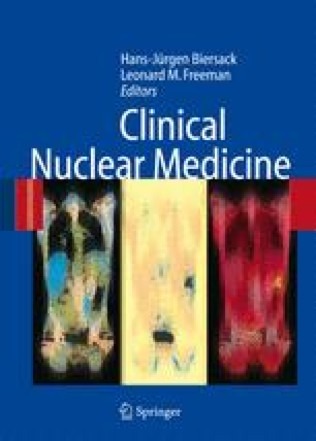
Clinical Nuclear Medicine … focuses on the universal state of the art in both diagnostic and therapeutic radionuclide methodology. … This book is easily readable, with presentation of essential points and plentiful references, and the quality of the figures and tables is excellent. … is a useful guide to students, technologists, and practitioners in nuclear medicine and radiology, as well as to general physicians who request nuclear diagnosis or treatment. … will be a welcome contribution to the bookshelf of nuclear medicine or radiology clinics.

Clinical Neuro-Ophthalmology is a challenge for residents and experienced clinicians alike. This book covers all relevant techniques of diagnosis as well as interpretations of clinical signs. All information is highly structured, highlighting ‘definition’, ‘note’ and ‘pearl’, so that it can also be used by the physician during the patient encounter. The included flow chart posters remind the physician of the most important information.
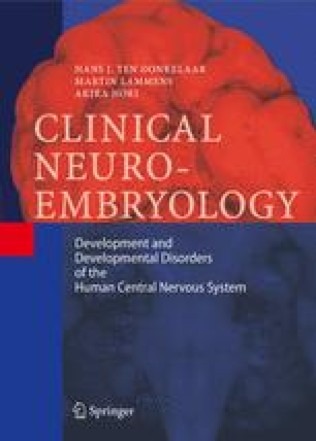
Combines data from human embryology, animal research and developmental neuropathology. This book provides an overview of the development of the human Central Nervous System (CNS) in the context of its many developmental disorders due to genetic, environmental and hypoxic causes. It highlights numerous clinical cases and contains over 400 figures.

This book offers practical guidelines for performing efficient and cost-effective MRI examinations in daily practice. The underlying idea is that, by adopting a practical protocol-based approach, the work-flow in a MRI unit can be streamlined and optimized.

Is a brief, clear, thorough, and updated approach to clinical microbiology, brimming with mnemonics, humor, summary charts, and illustrations. Topics include Ebola, AIDS, flesh-eating bacteria, mad cow disease, hantavirus, anthrax, smallpox, and tuberculosis; the latest antibiotics; pandemic flu, including H7N9; SARS-like coronavirus; hepatitis C treatment options; HIV diagnostics and approved HIV meds; Zika virus; measles; and a new chapter on the latest emerging infectious diseases and drug-resistant bacteria. The major update to this book is the addition of a new chapter on the SARS-COV-2 virus and COVID-19 disease, which delves into the nature of the virus such as infectivity within the body, transmission between individuals, timeline of infectivity, symptoms, risk factors, therapeutics, and vaccines approved for use.
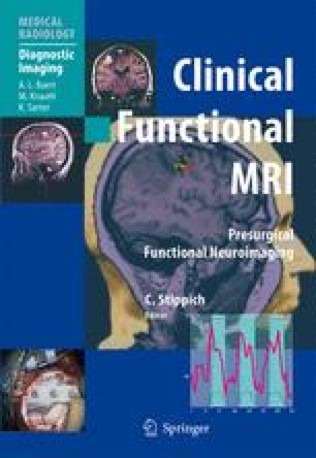
Functional magnetic resonance imaging (fMRI) has contributed significantly to progress in neuroscience by permitting noninvasive imaging of the "human brain at work" under physiological conditions. Within clinical neuroimaging, fMRI is opening up a new diagnostic field by measuring and visualizing brain function. However, fMRI is not yet a standard diagnostic imaging procedure. This textbook is devoted to preoperative fMRI in patients with brain tumors and epilepsies, which are the most well-established clinical applications. By localizing and lateralizing specific brain functions in individual patients, as well as epileptogenic zones, fMRI facilitates the selection of a safe treatment and the planning and performance of function-preserving neurosurgery.
Focuses on clinical biochemistry fundamentals, cell culture techniques, and drug discovery and development concepts. It deals with three different fields of clinical research: cell culture, clinical biochemistry, and drug discovery and development.
This fully updated volume describes methods and protocols for a number of drugs and toxins in a stepwise manner. Exploring the versatility and flexibility of mass spectrometry, the book covers the advantages of this technology, which typically include elimination of the need for special reagents such as antibodies, increased sensitivity and specificity, and multi-component analysis enabling the screening of tens to hundreds of compounds in a single assay run. Written for the highly successful Methods in Molecular Biology series, chapters include introductions to their respective topics, lists of the necessary materials and reagents, step-by-step and readily reproducible laboratory protocols, as well as tips on troubleshooting and avoiding known pitfalls.
This book serve as either an excellent review for the American Board of Anesthesiology’s oral exam or as an easy and practical way for the reader to gain familiarity with unexpected problems in clinical anesthesia.

Timely coverage of cleaning validation for the pharmaceutical industry, a dynamic area in terms of health-based limits. Encourages pharmaceutical manufacturers, and particularly upper management, to meet the challenges of the science-based and riskbased approaches to cleaning validation. Draws on the author’s vast experience in the field of cleaning validation and hazardous materials. Discusses EMA vs. ISPE on Cleaning Limits and revised Risk-MaPP for highly hazardous products in shared facilities. A diverse list of topics from protocol limits for yeasts and molds to cleaning validation for homeopathic drug products.
Helps you understand the principles of pharmacology and apply them to nursing practice. Known for its practical application of the nursing process to drugs and disorders, this book explains how to make informed decisions about drug therapy, educate patients, and administer medications. This edition adds new Next Generation NCLEX® (NGN)-style case studies and questions to prepare you for the critical thinking questions on the NGN exam. Concise and easy to use, this text teaches the basics of medication administration and drug actions.

This book of classifications and scores in orthopedics and trauma is intended as a practical manual to consult. This first volume is devoted to the classifications of the spine, the hip and the knee.
Guide readers through circular RNA purification, in silico characterization, circRNA detection, sequence validation, quantification , techniques related to gain- and loss-of-function approaches, circular RNA synthesis, split ligation, engineering, nanoparticle packaging, RNA modifications on circular RNA biogenesis, RNA translation potential, and vaccines based on circular RNAs.
Chronic lymphocytic leukaemia (CLL) is the most common leukaemia in the Western world. It is also the prototype of B-cell chronic lymphoid malignancies and of their ramifications within the fields of hematology, immunology and oncology. developments of basic science into effective new approaches to the patient.

CHRONIC DISEASES AND HEALTH CARE: New Patterns of Diabetes, Arthritis, Osteoporosis, Fibromyalgia, Low Back Pain, Cardiovascular Disease, and Cancer. This book evaluates new trends in epidemiology, health care costs, risk factors, treatment and rehabilitation outcomes, stress and coping strategies, social support, disability, patient education, and self-management for seven prevalent chronic diseases.
It is more evident now than ever before that dynamic organization of human genome into nucleoprotein structure, chromatin confers the unique regulatory mechanisms for most of the cellular phenomena, which include replication, transcription, DNA repair, recombination and also apoptosis. The dynamic nature of the chromatin is regulated by chromatin modifications (epigenetic alterations), remodeling, histone chaperones and functional interactions of different chromatin interacting n- histone proteins. Dysfunction of this highly inter connected machineries disturb the cellular homoeostasis, and thereby causes several diseases. As we advance in our knowledge of chromatin function and also disease mechanisms in more details, their causal relationship is becoming more evident. This has lead to the identification of chromatin function as target for new generation therapeutics.
This volume, part of the Infectious Agents and Pathogenesis series, is a complete portrait of C. pneumoniae and what is currently known about it

سوريا - اتستراد درعا - غباغب
+963-15 2050 - 15 860 380 /1/2/3 - 11 662 3900